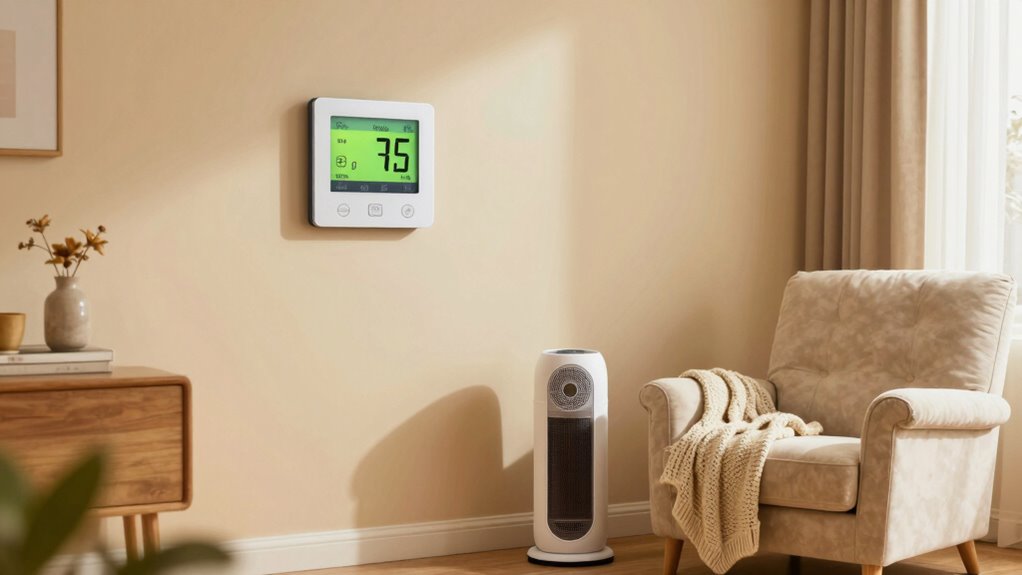

To create a senior-friendly home climate, focus on maintaining a comfortable temperature around 68-70°F using a reliable thermostat. Regularly check humidity levels with a hygrometer to prevent dryness or dampness, and guarantee good airflow with fans or vents. Seal drafts and add insulation to keep the environment stable. Consider smart thermostats for remote control and automation. Keep exploring for practical tips that can make managing your home’s climate easier and safer for seniors.
Key Takeaways
- Use smart thermostats with easy controls and remote access for consistent, comfortable temperatures tailored to seniors’ needs.
- Maintain indoor temperatures around 68-70°F to prevent heat exhaustion or hypothermia.
- Regularly monitor humidity levels to avoid dryness or excess moisture, improving air quality and comfort.
- Enhance airflow with fans and seal drafts to stabilize temperature and reduce fluctuations.
- Incorporate automated climate management systems for reliable, safe, and energy-efficient home environments.
Why Temperature Control Is Vital for Senior Health
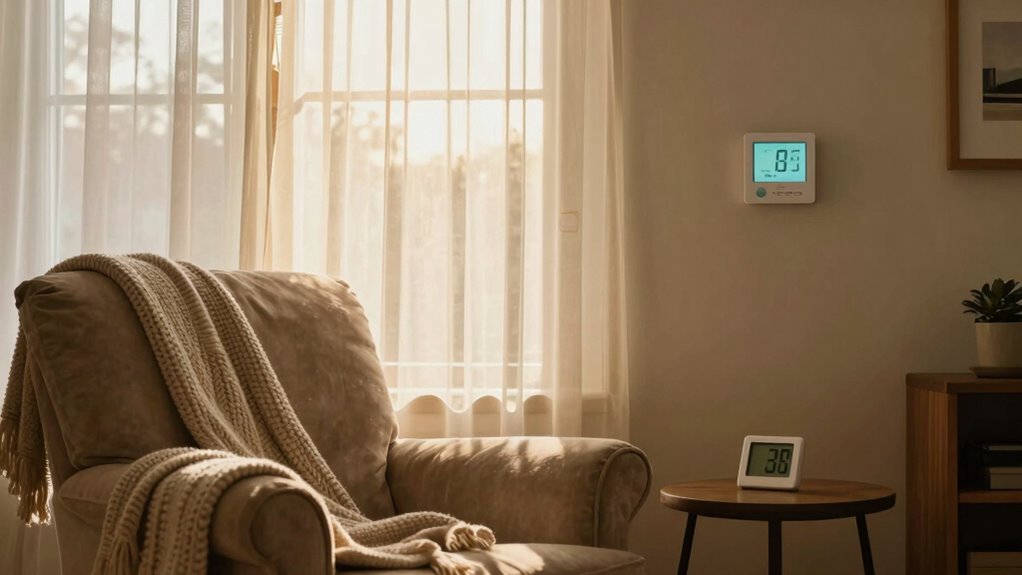
Temperature control is essential for seniors because their bodies are less effective at regulating heat and cold. Poor humidity regulation can cause discomfort and health issues, making it necessary to maintain a balanced environment. Too much humidity can lead to mold growth and respiratory problems, while low humidity causes dry skin and irritates the respiratory system. Additionally, air quality plays an important role; pollutants and allergens can worsen health conditions. By managing temperature, humidity, and air quality, you create a safer, more comfortable space that supports overall well-being. Proper climate control helps prevent heat exhaustion, hypothermia, and respiratory issues, ensuring you stay healthy and comfortable in your home. Regularly monitoring indoor air quality can help detect potential hazards early and improve living conditions. Implementing smart climate control systems can also optimize comfort and safety automatically, especially for seniors with limited mobility. Staying informed about climate management options allows for better adjustments and peace of mind. Maintaining these factors is a key step toward a senior-friendly living environment.
How to Assess Your Home’s Current Climate and Risks
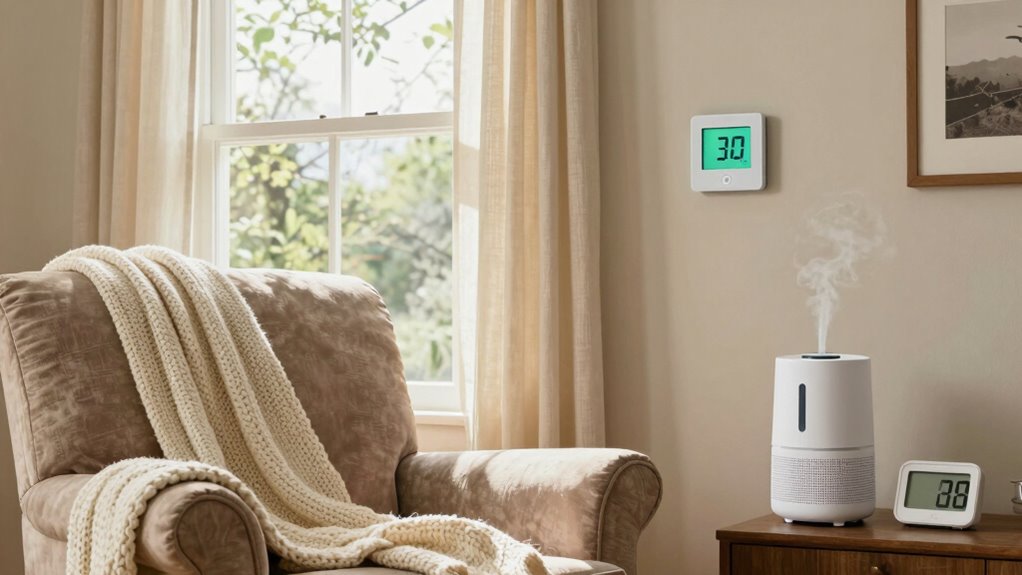
Before making improvements, it’s important to evaluate your home’s current climate and identify potential risks. Start by checking humidity levels; high or low humidity can cause discomfort or health issues. Next, assess air circulation—poor airflow can trap heat or cold, leading to uneven temperatures. Test your home’s temperature consistency and note any drafts or cold spots. You can also evaluate the contrast ratio to understand how well your space handles different lighting conditions, which impacts overall comfort. Additionally, inspect for excess moisture or dryness, which can impact air quality. Proper air circulation is essential for maintaining a stable and comfortable environment. Improving home ventilation can help regulate temperature and humidity more effectively. Ensuring good thermal regulation reduces hot and cold spots, making your environment safer and more comfortable. Paying attention to small system details, such as the mechanics of your heating and cooling devices, can significantly improve overall climate control. Here’s a quick checklist:
Evaluate your home’s climate with humidity, airflow, temperature stability, and moisture checks for a safer, more comfortable space.
- Measure humidity levels with a hygrometer
- Observe air circulation and airflow patterns
- Identify areas with temperature fluctuations
- Detect signs of excess moisture or dryness
Performing this assessment helps you pinpoint problem areas and plan targeted improvements for a safer, more comfortable environment.
Setting the Perfect Thermostat for Elderly Comfort
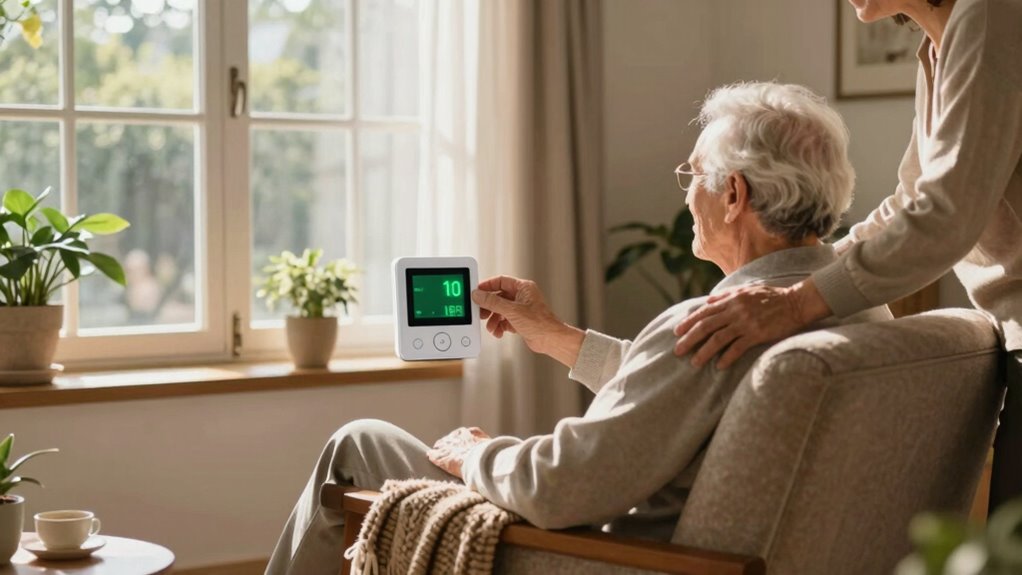
Finding the right thermostat setting is essential for ensuring your home remains comfortable and safe for elderly residents. Smart thermostats make it easier to maintain consistent temperatures by allowing remote adjustments and automatic scheduling. They can also learn your preferences over time, ensuring ideal comfort without constant manual changes. Incorporate humidity monitoring with your thermostat to prevent overly dry or damp environments, which can affect health and comfort. Keeping humidity in the perfect range helps reduce respiratory issues and skin dryness. Set your thermostat to a comfortable temperature—around 68-70°F during the day—and avoid sudden fluctuations. Regularly check your smart thermostat’s settings and humidity levels to create a stable, senior-friendly climate that promotes safety and well-being. Additionally, choosing a thermostat with reliable sensors can improve accuracy and ensure consistent climate control, while integrating local automation features can further customize comfort based on your daily routines. Utilizing climate control technology can also help optimize your home’s environment for elderly comfort and safety. Proper ventilation is vital for maintaining air quality and preventing issues related to stale or contaminated air, ensuring a healthier living space for seniors.
Tips for Staying Cool in Summer and Warm in Winter
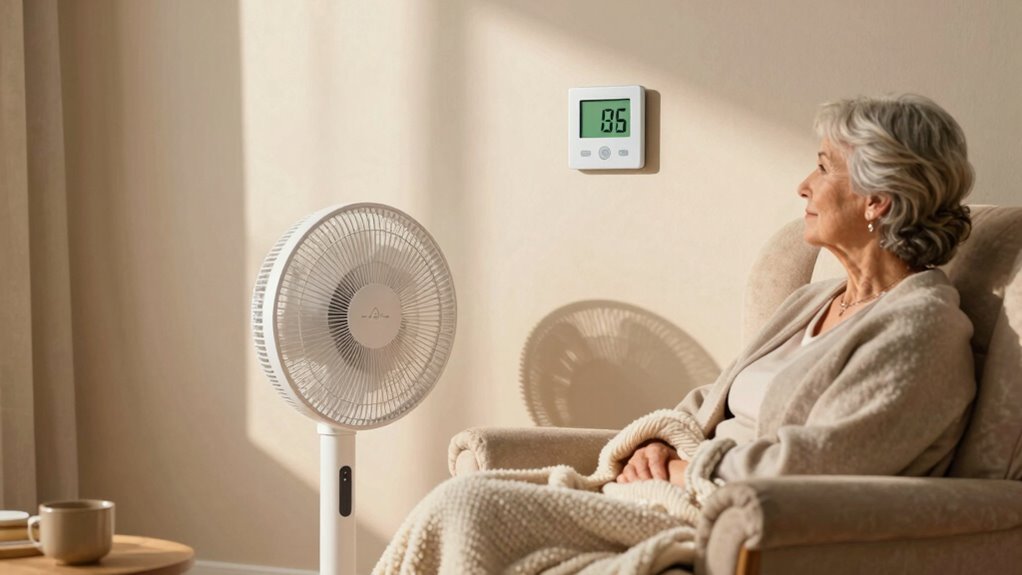
Maintaining a comfortable home environment year-round means adjusting your habits and systems to stay cool in summer and warm in winter. Improving indoor air quality and thermal insulation helps you maintain consistent temperatures and ease temperature fluctuations. To stay comfortable:
Maintaining comfort year-round involves improving insulation, air quality, and smart use of fans and blinds.
- Use ceiling fans or oscillating fans to enhance airflow and reduce indoor air stagnation.
- Add insulation or seal drafts to improve thermal insulation, keeping warm air in winter and out in summer. Proper insulation also supports efficient temperature regulation by reducing the workload on heating and cooling systems. Additionally, selecting the right insulation materials can further optimize your home’s energy efficiency.
- Keep blinds or curtains closed during peak sunlight hours to prevent overheating.
- Regularly ventilate your home to refresh indoor air quality and reduce humidity, which helps maintain a steady, comfortable climate.
- Effective climate control includes understanding how to balance ventilation and insulation for optimal comfort and energy efficiency. Being aware of airflow management techniques can significantly enhance your home’s climate stability, especially when combined with well-maintained HVAC systems. Incorporating smart thermostats can further fine-tune temperature settings and improve overall home comfort.
Using Technology to Keep Your Home Safe and Comfortable
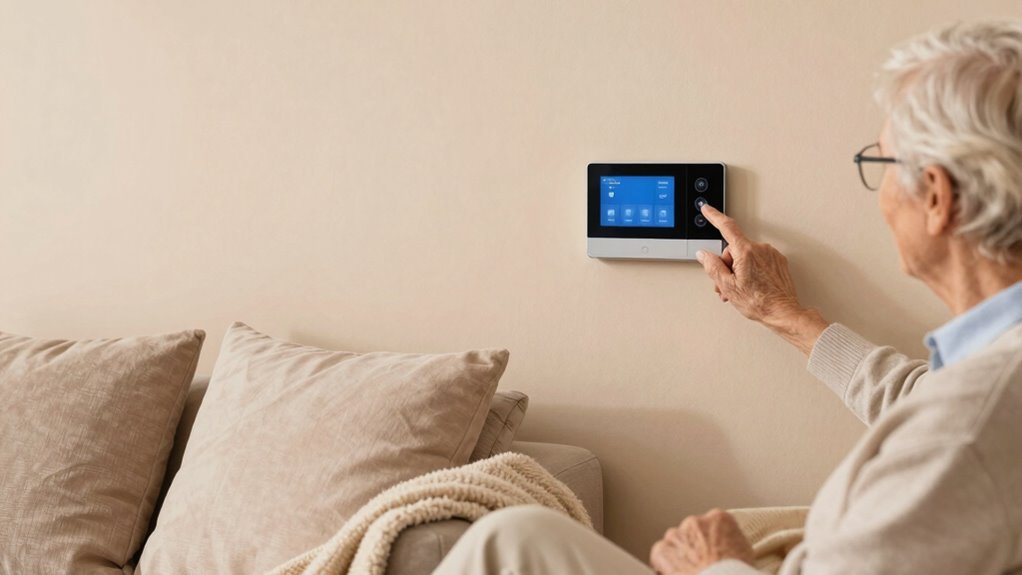
Technology plays a crucial role in keeping your home safe and comfortable, especially as you age. Smart thermostats allow you to easily control your home’s temperature from anywhere, ensuring your environment stays just right without hassle. They can learn your schedule and adjust settings automatically, saving energy and maintaining comfort. Remote monitoring systems enable you or a caregiver to keep an eye on your home’s climate and safety features in real-time, alerting you to issues like temperature drops or leaks. This technology provides peace of mind, knowing your home is secure and comfortable even when you’re not there. Additionally, space‑heating solutions like electric fireplaces can add cozy warmth while being easy to operate and maintain, further enhancing your home’s safety and comfort. Modern smart home devices can also integrate with existing systems to provide comprehensive control and monitoring, making everyday living more convenient. Incorporating energy-efficient technology can further reduce your home’s carbon footprint and operational costs. By integrating smart thermostats and remote monitoring, you create a safer, more convenient living environment tailored to your needs, while also benefiting from the reliability of electrical systems. Furthermore, many smart devices are equipped with security features to help prevent unauthorized access and ensure your privacy is protected.
Frequently Asked Questions
How Often Should I Check My Home’s Temperature Settings?
You should check your home’s temperature settings at least once a week to guarantee comfort and safety. With a smart thermostat, you can easily make seasonal adjustments and monitor temperature changes remotely. Regular checks help prevent temperature fluctuations that could affect health. Adjustments might be needed more often during extreme weather or if you notice discomfort. Staying proactive keeps your home cozy and safe year-round.
What Are Signs My Elderly Loved One Is Uncomfortable Due to Temperature?
You’ll notice signs your loved one is uncomfortable from temperature swings, drafts, or chills. They may complain of feeling cold even when it’s warm, or show signs of shivering. Watch for withdrawal or irritability, which can indicate they’re too cold or hot. If they’re constantly adjusting blankets or clothing, it’s a sign the temperature isn’t comfortable. Address drafts promptly and maintain a steady, cozy climate to keep them comfortable.
Are There Specific Temperature Recommendations for Seniors With Health Conditions?
You might think any temperature works, but for seniors with health conditions, strict temperature guidelines are essential. Aim for 68-75°F, adjusting based on health considerations like respiratory or cardiovascular issues. Ironically, staying within these ranges helps prevent discomfort or health risks, especially during extreme weather. Always consult healthcare providers for personalized advice, because what feels comfortable to you might not be suitable for your loved one’s unique health needs.
How Can I Ensure My Heating and Cooling Systems Are Energy-Efficient?
You can guarantee your heating and cooling systems are energy-efficient by installing smart thermostats, which help you maintain ideal temperatures without wasting energy. Schedule regular energy audits to identify areas for improvement and ensure your system runs efficiently. Additionally, set your thermostat to consistent, comfortable temperatures, and consider upgrading to energy-efficient HVAC units. These steps save money and create a safer, more comfortable environment for seniors.
What Are the Best Practices for Maintaining Consistent Indoor Humidity Levels?
To maintain consistent indoor humidity levels, you should regularly check your humidifier and dehumidifier. Keep humidifier maintenance up to date by cleaning filters and replacing parts as needed, ensuring it runs efficiently. When selecting a dehumidifier, choose one suitable for your room size and humidity needs. This helps prevent dry skin or mold growth, creating a comfortable, safe environment for seniors.
Conclusion
So, now that you know how to tame your home’s climate, maybe it’s time to thank that old thermostat for all those years of silent service. Remember, a comfortable senior isn’t just about feeling cozy—it’s about avoiding the chaos of sudden chills or sweat storms. With a little tech and a dash of common sense, you’ll be the master of your perfect climate kingdom. Who knew staying comfortable could be so easy?