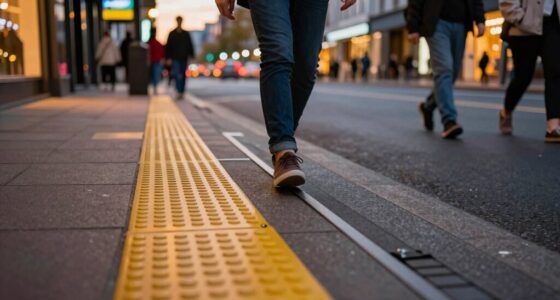
To avoid common accessibility mistakes in your home renovation, make sure to check that doorways and hallways are wide enough for mobility aids. Choose non-slip flooring options in key areas to prevent falls, and guarantee your lighting is adequate with good contrast for visibility. Use easy-to-reach fixtures and controls for safety, and plan ahead for potential future mobility needs. If you keep these tips in mind, you’ll create a safer, more functional space for everyone.
Key Takeaways
- Ensure doorway widths and hallway clearances meet accessibility standards to prevent narrow passages and facilitate wheelchair movement.
- Use non-slip flooring materials in moisture-prone areas to reduce fall risks and improve safety.
- Incorporate proper lighting and contrasting colors for better visibility and safer navigation throughout the home.
- Install easy-to-use, ergonomic fixtures and controls to enhance safety and accommodate diverse user needs.
- Plan for future mobility needs by designing wider doorways, open spaces, and fewer steps to maintain accessibility over time.
Overlooking Doorway Widths and Hallway Clearances

Have you considered how doorway widths and hallway clearances impact accessibility? Meeting doorway standards ensures that everyone, including those with mobility aids, can pass through comfortably. Standard doorway widths typically range from 32 to 36 inches, but if you overlook these measurements, you risk creating narrow passages that hinder movement. Hallway measurements are equally crucial; they should be wide enough to accommodate wheelchairs or walkers without difficulty. Failing to adhere to these guidelines can lead to cramped spaces and increased safety hazards. When planning your renovation, double-check that doorways and hallways meet accessibility standards. Proper doorway widths and hallway measurements are essential for creating a home that’s safe, functional, and welcoming for all users. Additionally, incorporating modern fixtures such as walk-in showers can improve overall accessibility and convenience. Ensuring that you understand the accessibility guidelines can make a significant difference in creating an inclusive living space.
Ignoring Non-Slip Flooring Options
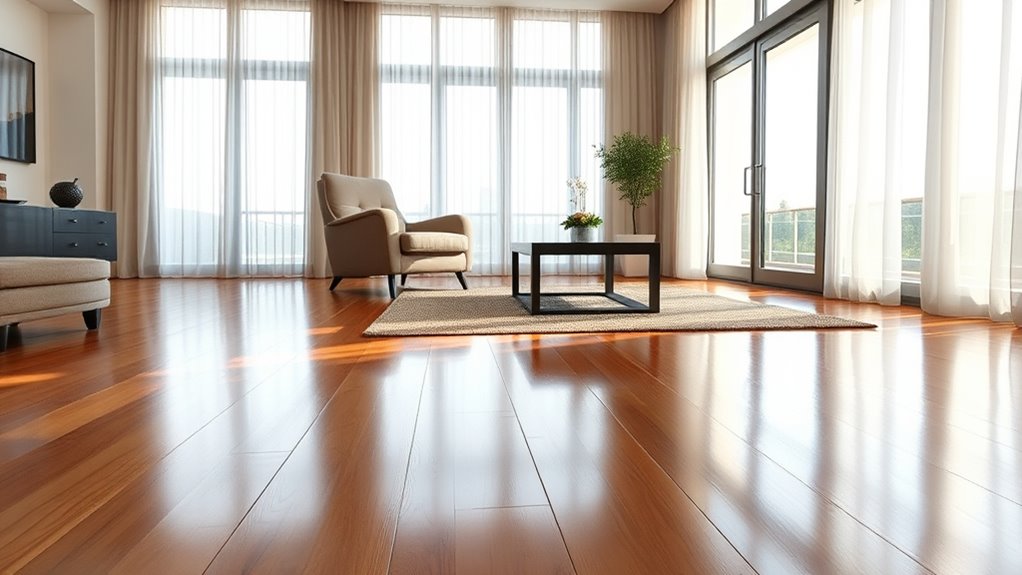
Ignoring non-slip flooring options can substantially increase the risk of falls and injuries in your home. Without slip-resistant surfaces, especially in areas prone to moisture or spills, you compromise rug safety and overall safety. Installing textured or rubberized flooring in kitchens, bathrooms, and entryways helps prevent slips. Don’t forget stair treads; choosing non-slip options on stairs reduces the chance of accidents, especially for those with mobility challenges. When selecting flooring, verify it provides enough traction for walking and standing, even when wet. Neglecting this can lead to costly injuries. Prioritize safety by opting for flooring that minimizes slipping hazards, and consider adding non-slip rugs or mats where needed. Additionally, automation in home safety technology can help monitor and alert you to potential hazards, making your home even safer. Implementing safety-focused design principles during renovation enhances overall home safety. Taking these steps makes your home safer for everyone. To further reduce risk, consider consulting with flooring safety experts who can recommend appropriate materials and installation techniques to maximize slip resistance. Incorporating innovative flooring materials that improve traction can provide extra security in your living space. Moreover, choosing flooring with modern noise reduction technology can also contribute to a safer and more comfortable environment.
Failing to Incorporate Adequate Lighting and Contrast

Failing to incorporate adequate lighting and contrast can make your home difficult to navigate, especially for individuals with visual impairments or mobility challenges. Proper lighting design ensures that spaces are well-lit without harsh glare, reducing confusion and accidents. You should prioritize even, glare-free lighting in hallways, staircases, and key areas. Additionally, color contrast plays a vital role in visibility; for example, using contrasting colors for floors, walls, and furniture helps distinguish different surfaces and objects. Without sufficient contrast, steps, doorways, and obstacles can blend into the background, increasing fall risks. Incorporating visual accessibility features can help monitor and adjust lighting systems for optimal safety and energy efficiency. Recognizing the importance of skin hydration in maintaining the effectiveness of skincare routines can also contribute to overall comfort and health. Properly designed lighting can also influence mood and alertness, making spaces more welcoming and functional. By paying attention to lighting and contrast, you create a safer, more accessible environment that accommodates all users and enhances ease of movement throughout your home.
Neglecting Easy-to-Use and Accessible Fixtures and Controls

Neglecting to install easy-to-use and accessible fixtures and controls can substantially hinder the safety and functionality of your home. When you overlook ergonomic design and smart technology, tasks become frustrating and even dangerous. Imagine struggling to turn on a light or adjust the thermostat because controls are hard to reach or confusing. These small oversights can lead to accidents or feelings of helplessness. To avoid this, prioritize fixtures that are intuitive and within easy reach. Consider incorporating smart technology for effortless control. Developing attention in creative practice helps ensure that you remain mindful of the importance of user-friendly design in your renovation. Paying close attention to accessible features can make a significant difference in creating a safe and welcoming environment for everyone, especially as age-related needs become more relevant in home design. Additionally, understanding universal design principles can help you create spaces that accommodate diverse needs and abilities seamlessly, enhancing overall home safety and usability.
Skipping the Planning for Future Mobility Needs
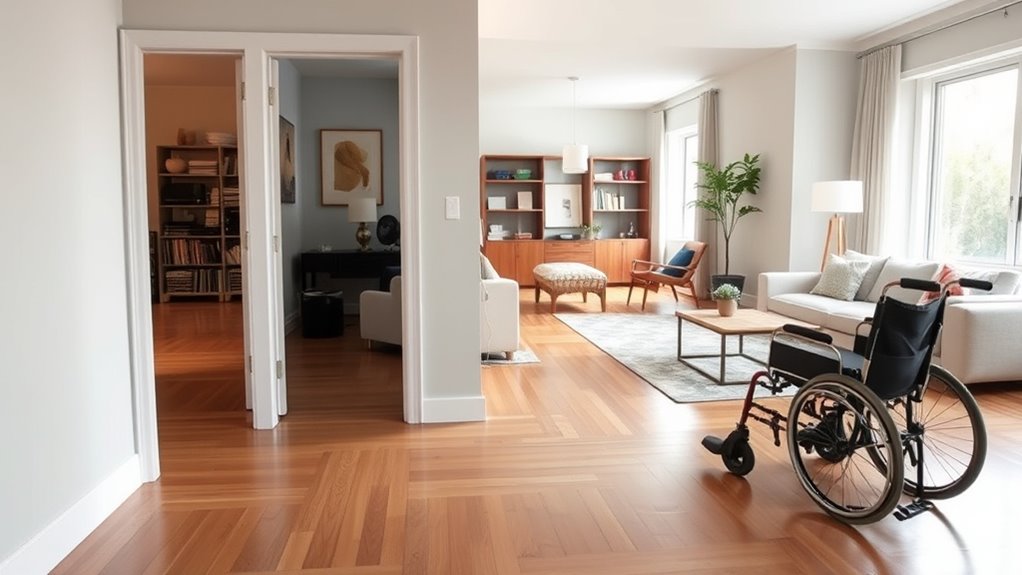
Have you thought about how your home will serve you as your mobility changes over time? Skipping the planning for future mobility needs can lead to costly renovations later. Incorporate future proofing design by creating an adaptable layout now, so your home can evolve with you. Think about wider doorways, fewer steps, and open spaces that accommodate wheelchairs or walkers. By considering these elements early, you avoid the hassle of extensive modifications down the line. Planning ahead ensures your home remains functional and comfortable, regardless of changing mobility. Additionally, integrating accessibility features during renovation can enhance safety and independence for all users. Don’t wait until it’s urgent—design with flexibility in mind today, so your home works for you tomorrow. Thoughtful planning now saves time, money, and stress in the future.
Frequently Asked Questions
How Do I Ensure My Home Is Accessible for Wheelchair Users?
To guarantee your home is accessible for wheelchair users, start by installing accessible doorways wide enough for wheelchairs. Consider adding ramp installation at entrances to eliminate steps and make entry seamless. Also, make sure hallways and pathways are clear and spacious. You might want to adjust countertops and switches to accessible heights. These steps create a safer, more inclusive environment, making your home welcoming and functional for everyone.
What Are the Best Materials for Slip-Resistant Flooring?
Think of slip-resistant flooring like a gentle riverbed—smooth yet secure. You should consider materials like textured vinyl, rubber, or cork, which provide good grip. When choosing rug options, opt for those with non-slip backings or low pile textures to prevent slipping. Texture considerations are key; avoid overly slick surfaces or plush rugs that can cause falls. Prioritize safety without sacrificing style for a truly accessible, slip-resistant home.
How Can I Improve Lighting Without Increasing Energy Costs?
To improve lighting without raising energy costs, consider installing smart lighting systems that adjust based on your needs and natural light. Replace traditional bulbs with energy-efficient bulbs like LEDs, which use less power and last longer. You can also program your smart lighting to dim or turn off during certain hours, reducing energy consumption while keeping your home well-lit and accessible.
Which Fixtures Are Easiest for Everyone to Operate?
Imagine a fixture so simple, even a sleep-deprived cat could turn it on. Universal fixtures with ergonomic designs fit this bill perfectly. They’re easy to operate, with large, intuitive switches or touch controls. You’ll love how everyone, from kids to seniors, can effortlessly use them. Say goodbye to fumbling and hello to accessible comfort—because your home should work for everyone, not just the tech-savvy.
When Should I Start Planning for Future Mobility Assistance?
You should start planning for future mobility assistance early, ideally during your home renovation or when considering upgrades. Incorporate future planning by choosing adaptable features now, like wider doorways, lever handles, and low-threshold showers. These mobility upgrades make your space more accessible later on. Thinking ahead now saves time and money, ensuring your home remains comfortable and functional as your needs evolve.
Conclusion
Think of your home as a sturdy bridge—built to connect you comfortably today and adaptable for tomorrow’s journey. By avoiding these common accessibility mistakes, you guarantee your home remains a safe, welcoming path for everyone. Don’t let overlooked details become cracks in your foundation. Build with foresight and care, so your space supports you and your loved ones through every step, now and in the future. Your home should be a reliable bridge, not a fragile crossing.