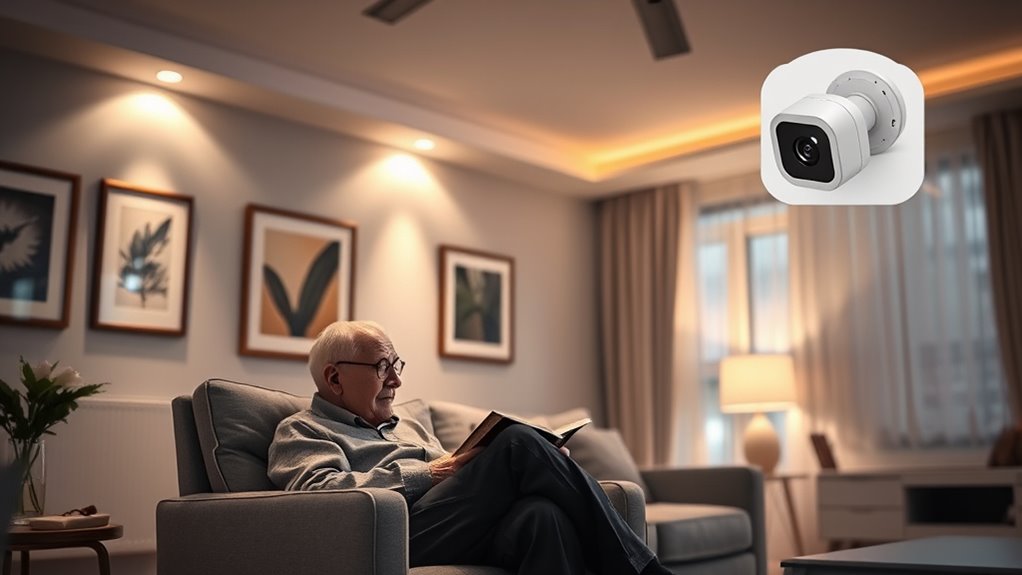

To keep an eye on your elderly parents without invading privacy, choose discreet, user-friendly devices that support safety and independence. Communicate openly about your intentions, involve them in decisions, and respect their comfort levels. Focus on privacy-conscious features and set clear boundaries, ensuring consent and transparency. Gradually introduce technology, prioritize their dignity, and customize alerts. If you want practical tips on blending safety with autonomy, there’s more to explore here.
Key Takeaways
- Choose discreet, privacy-conscious sensors and devices that monitor safety without revealing personal activities.
- Involve parents in selecting monitoring tools to ensure comfort, consent, and mutual understanding.
- Clearly explain how data is collected and used, emphasizing respect for their privacy and autonomy.
- Use non-invasive technologies like motion or door sensors that provide safety alerts without constant surveillance.
- Regularly review and adjust monitoring settings to balance safety needs with respect for privacy preferences.
Understanding the Benefits of Smart Home Technologies for Seniors

Smart home technologies offer numerous benefits that can considerably improve the quality of life for seniors. One key advantage is enhancing digital literacy, which helps seniors become more comfortable using devices and apps that simplify daily tasks. These tools can boost independence and confidence, making it easier to manage routines. Additionally, smart homes strengthen emergency preparedness by providing real-time alerts and automated responses in case of falls, fires, or medical issues. You can set up systems that notify family members or emergency services instantly, reducing response times. By integrating these technologies, you guarantee your loved ones stay safer and more connected. Overall, smart home tech supports seniors in maintaining their autonomy while offering peace of mind for you and your family. Considering the latest home security systems of 2024, you can select solutions that are both effective and easy to operate. Incorporating user-friendly interfaces into these systems can further enhance usability for seniors.
Choosing Respectful Monitoring Devices: What to Consider

When selecting monitoring devices for seniors, it’s important to prioritize respect for their privacy and dignity. Focus on sensor placement to ensure devices monitor effectively without being intrusive. For example, choose discreet sensors placed in common areas rather than personal spaces. Additionally, consider device compatibility with existing smart home systems to ensure seamless integration. Compatibility reduces setup issues and allows for centralized control, making it easier to manage. Avoid devices that feel invasive or overly invasive, and instead opt for options that balance safety with respect. By carefully evaluating sensor placement and ensuring system compatibility, you create a monitoring setup that safeguards your loved ones while honoring their independence. Proper device calibration and thoughtful placement help maintain a comfortable environment, fostering trust and comfort in using technology for elder care. Incorporating privacy-conscious features can further enhance the acceptance and effectiveness of the monitoring system, especially when considering mindfulness in technology use to respect autonomy. Additionally, understanding the importance of data privacy helps ensure that sensitive information remains protected while monitoring.
Establishing Open Communication About Technology Use
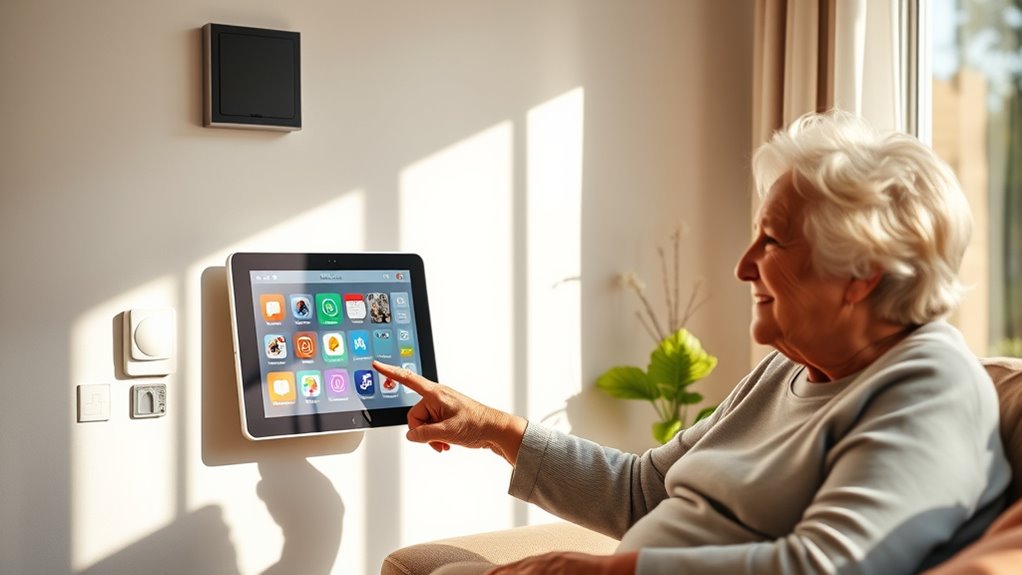
You should clearly explain how technology will be used in your home and set mutual expectations. Respect your loved one’s privacy boundaries and involve them in decisions about monitoring and devices. Keep the conversation open, encouraging honest feedback to build trust and comfort with the technology. Incorporating cultural intelligence can also help you better understand their comfort levels and preferences regarding privacy. Additionally, practicing creative practice by exploring different communication strategies can help find the most respectful and effective approach. Being mindful of wall organization concepts can help you design a supportive environment that respects their independence while providing necessary oversight. Furthermore, understanding privacy policies related to data collection and user consent can foster transparency and trust in your approach. To enhance the overall sound environment and ensure clear communication, utilizing sound design techniques such as ambient sounds and tailored audio cues can be beneficial.
Setting Clear Expectations
Establishing open communication about technology use is essential to setting clear expectations in elderly care. You should discuss consent boundaries upfront, making it clear what monitoring or data collection is acceptable. This transparency helps prevent misunderstandings and fosters trust building between you and your parent. Encourage honest conversations about comfort levels with specific devices or apps, and listen carefully to their concerns. Be clear about the purpose of technology, whether it’s safety, convenience, or health monitoring. By setting these expectations early, you create a foundation of mutual respect. This open dialogue ensures everyone feels involved and respected, reducing potential conflicts later. Additionally, understanding the cookie policies can be a shared interest that promotes bonding and positive communication. Remember, clear communication helps balance safety and privacy, building a trusting environment for both you and your elderly parent. It can also be helpful to explain the technology’s capabilities and limitations to set realistic expectations from the start. Being aware of different types of cookies used on websites can also help you better understand online privacy and security practices. Moreover, discussing the potential privacy implications of various devices can further enhance mutual understanding and comfort.
Respecting Privacy Boundaries
Respecting privacy boundaries is essential for maintaining trust and comfort in elderly care technology. You should always prioritize data privacy by clearly explaining how their information will be used and protected. Establishing consent protocols ensures your loved ones feel involved in decisions about their privacy. Be transparent about what devices monitor and how data is stored or shared. Avoid making assumptions; instead, ask for their input and value their boundaries. This openness fosters trust and helps prevent feelings of intrusion. Remember, technology should enhance independence, not compromise dignity. Additionally, understanding legal considerations related to technology use can help you navigate privacy laws and protect your loved ones’ rights. Recognizing the importance of water safety in the context of aquatic environments can also inform your approach to monitoring and safety measures at home. Incorporating privacy-preserving technologies can further ensure their personal information remains secure while still benefiting from smart home features. Regularly reviewing privacy settings and updates can also help maintain security and adapt to evolving cybersecurity threats. Incorporating predictive modeling can assist in proactively identifying potential issues before they arise, ensuring ongoing safety and comfort.
Encouraging Open Dialogue
How can you create an environment where your elderly loved ones feel comfortable sharing their thoughts about technology? The key is fostering open dialogue through family involvement and emotional support. Start by listening actively and respecting their concerns, making it clear their comfort matters most. Encourage honest conversations without judgment, and reassure them that technology aims to improve their safety and independence. Share your intentions openly, and avoid pressuring them to adopt new devices. Regularly check in to hear how they feel about the tools in use, and involve them in decisions about technology upgrades. By maintaining a supportive atmosphere, you help your loved ones feel valued, understood, and empowered, ensuring open communication becomes a natural part of your relationship.
Privacy Concerns and Ethical Boundaries in Elder Care Tech
As smart home technologies become more prevalent in elderly care, concerns about privacy and ethical boundaries grow louder. You must consider surveillance ethics, which balance safety with respect for independence. Key issues include:
- Ensuring data security to protect personal information from breaches or misuse.
- Defining clear boundaries on what is monitored, avoiding unnecessary invasion of privacy.
- Gaining informed consent from your parents, making sure they understand how their data is collected and used.
- Incorporating essential oils and other holistic approaches can support emotional well-being and reduce reliance on intrusive monitoring methods. Recognizing the importance of ethical boundaries helps foster trust and respect in the caregiver-elder relationship. Additionally, understanding the technology limitations is crucial to prevent overreliance on potentially fallible systems.
Developing trust and transparency in the use of monitoring tools is vital to maintaining a respectful caregiving environment. You should evaluate the risks associated with surveillance and prioritize ethical practices that respect your parents’ dignity. By addressing these concerns proactively, you can leverage technology to aid their independence without compromising their privacy.
Practical Tips for Seamless Integration Into Daily Life

Integrating smart home gadgets into your parents’ daily routines requires thoughtful planning to guarantee a smooth progression. Begin by selecting user-friendly devices that suit their needs and comfort levels. Involve your family early in the process, discussing options and setting expectations together. Make sure to introduce new gadgets gradually, allowing your parents to get familiar with each one before adding more. Keep communication open, asking for feedback to adjust the setup as needed. Offer clear instructions and demonstrate how each device benefits their independence and safety. Remember, family involvement is key—you’ll not only ease the progression but also foster a sense of shared responsibility and reassurance. With patience and cooperation, these smart technologies will seamlessly become part of their daily life.
Balancing Safety With Independence: Finding the Right Approach
Finding the right balance means respecting privacy boundaries while implementing safety measures that feel natural. You should customize these safety features to suit your loved one’s needs, without compromising their independence. Encouraging autonomous living helps maintain their dignity while ensuring they’re protected.
Respecting Privacy Boundaries
Balancing safety with independence in smart homes for the elderly requires careful attention to privacy boundaries. Respecting their data privacy means establishing clear consent protocols before installing monitoring systems. This ensures your loved ones feel secure and in control. To maintain this balance, consider these steps:
- Clearly explain what data will be collected and how it will be used.
- Obtain explicit consent before activating any monitoring features.
- Regularly review and update privacy preferences as needs change.
Customizing Safety Measures
Creating effective safety measures in smart homes for the elderly requires tailoring solutions to individual needs and preferences. You can do this by setting up customized alerts that notify caregivers only when necessary, reducing unnecessary interruptions. Personalized settings allow you to adjust sensors, alarms, and monitoring devices to match your loved one’s daily routines and comfort levels. For example, you might customize motion detectors to focus on high-risk areas or set medication reminders that are discreet yet effective. This approach helps maintain independence while ensuring safety. By customizing alerts and settings, you create a balanced environment where your loved one feels secure without feeling overly monitored. The key is to adapt the technology to support autonomy while providing peace of mind.
Encouraging Autonomous Living
How can smart home technology support seniors in maintaining their independence without compromising safety? By offering tools that encourage autonomy while respecting digital privacy, you help preserve their emotional well-being. Here are three ways to find this balance:
- Use discreet sensors that monitor activity without invasive cameras, allowing seniors to live independently while providing peace of mind.
- Implement voice-activated devices for easy communication and task management, boosting confidence and autonomy.
- Offer personalized alerts and reminders through apps that respect privacy, supporting daily routines without feeling intrusive.
This approach promotes emotional well-being by empowering seniors and fostering independence while ensuring safety remains a priority. The key is to blend technology that respects privacy with features that support autonomous living.
Frequently Asked Questions
How Can I Ensure My Elderly Parents Feel Comfortable With Monitoring Devices?
You want your elderly parents to feel comfortable with monitoring devices, so start by addressing their privacy concerns openly. Explain how the tech offers safety without infringing on their privacy, emphasizing respect and trust. Involve them in choosing the devices to boost their tech acceptance. Reassure them that monitoring aims to help, not intrude, and maintain open communication to build confidence and ensure they feel secure and respected.
What Legal Rights Do Seniors Have Regarding Their Personal Data?
You need to understand that seniors have legal rights regarding their personal data, including privacy laws that protect their information. They generally have the right to know how their data is used and to give or withdraw data consent. As you consider monitoring, respect these rights by being transparent and ensuring they agree to any data collection, helping them feel secure while maintaining their privacy and autonomy.
Are There Specific Technologies Designed for Different Levels of Independence?
Like a Swiss Army knife, there are tech solutions tailored for different independence levels. You’ll find devices with customizable features that respect privacy concerns, enabling seniors to maintain autonomy. For those more independent, discreet sensors or wearable tech work well, while more all-encompassing systems suit those needing assistance. You get to choose what fits best, balancing safety with respect for privacy, making sure your loved ones feel secure without feeling invaded.
How Often Should I Review or Update the Monitoring Systems?
You should review your monitoring systems at least every six months to guarantee they’re functioning correctly and meeting your privacy concerns. Regular updates are essential because technology evolves quickly, and outdated systems can compromise privacy or security. Stay proactive by checking for software updates, adjusting settings as needed, and ensuring that privacy concerns are addressed without intruding on your loved one’s independence. This balance keeps everyone safe and respectful.
Can Smart Home Devices Detect Health Emergencies Proactively?
Did you know that smart home devices can now enable emergency detection and proactive monitoring for health crises? These devices use sensors and AI to identify signs of falls, irregular vitals, or unusual activity, alerting you immediately. This proactive approach helps catch emergencies early, ensuring your loved ones get quick assistance without invading their privacy. So yes, smart home devices can proactively detect health emergencies, providing peace of mind.
Conclusion
Embracing smart home tech doesn’t mean sacrificing your loved one’s independence or privacy. By choosing respectful devices and maintaining open conversations, you can guarantee their safety while honoring their autonomy. Remember, it’s not about spying but caring thoughtfully. Trust that with the right balance, you can protect your parents without intruding on their privacy—showing love through support, not surveillance. That’s the true power of thoughtful technology.