Smart doorbells and cameras provide real-time video and two-way communication, but they also pose privacy risks like data breaches, unauthorized access, and location tracking. To protect yourself, choose devices with strong encryption, update firmware regularly, and change default passwords. Use secure networks and consider local storage options. Being aware of privacy policies and adjusting device settings helps safeguard your personal info. Keep exploring to discover more ways to stay secure and maintain your privacy.
Key Takeaways
- Smart doorbells and cameras can expose personal data through potential hacking or data breaches, risking unauthorized access and privacy violations.
- Always update device firmware and use strong, unique passwords to protect against hacking and ensure device security.
- Be aware of location tracking features that may reveal your routines or whereabouts without your consent.
- Choose privacy-friendly devices with local storage options and transparent security policies to better safeguard your data.
- Segment smart devices on separate networks and enable encryption to minimize security vulnerabilities and enhance privacy.
What Are Smart Doorbells and Cameras, and How Do They Work?

Smart doorbells and cameras are innovative home security devices that let you monitor and interact with your property remotely. Their high video quality guarantees you get clear images of visitors or any activity outside your home, so you can easily identify people or objects. Installation ease is a key feature, as most models are designed to be straightforward to set up, often requiring just a few simple steps without professional help. These devices connect to your Wi-Fi network, allowing real-time video streaming to your smartphone or other devices. With features like motion detection and two-way audio, you can see who’s at your door and communicate with them directly. Overall, smart doorbells and cameras combine easy installation with sharp video quality, making your home more secure and connected. Additionally, they often include privacy controls to help protect your personal data and ensure responsible use. Incorporating European cloud solutions can further enhance data security and privacy compliance for these devices, especially with regard to data protection regulations. Utilizing encryption standards can also safeguard your video footage and personal information from unauthorized access, and understanding these privacy basics helps you make informed decisions about your home security.
What Are the Privacy Risks of Smart Doorbells and Cameras?
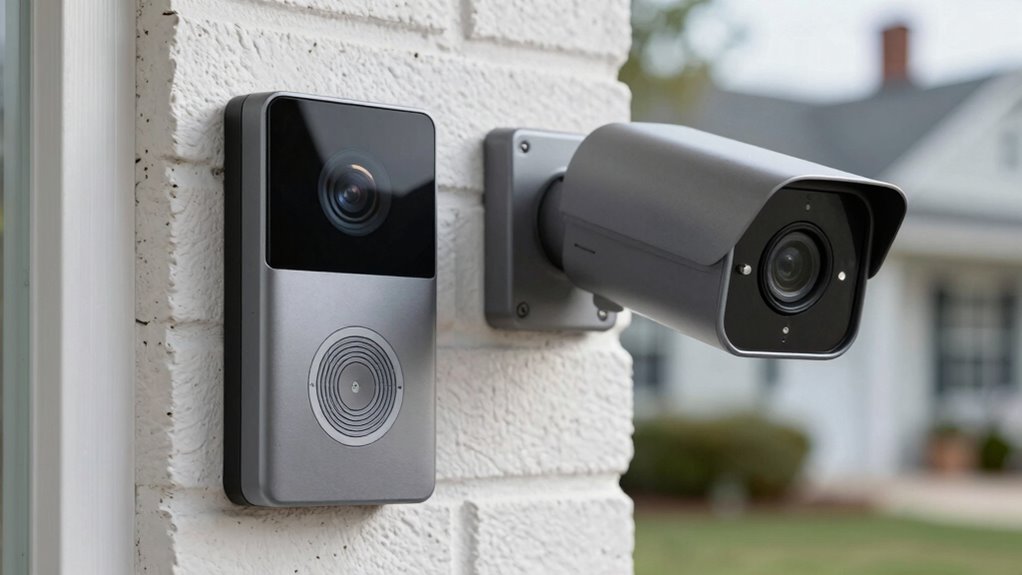
Smart doorbells and cameras can expose your personal data to risks like data breaches and unauthorized access. Hackers might view or share your video feeds without permission, compromising your privacy. Additionally, location tracking features could reveal your routines and whereabouts if not properly secured. Being aware of net worth and other personal information shared online can help you better understand the importance of safeguarding your privacy. Ensuring your device firmware is up-to-date can help protect against security vulnerabilities that could be exploited by malicious actors. Understanding the role of privacy policies and how they govern data collection can also help you make informed decisions about device usage and privacy settings.
Data Breach Risks
Are you aware of the privacy risks associated with doorbell cameras and security systems? Data breaches can expose your footage, personal details, and access credentials. Weak encryption standards can make it easier for hackers to intercept your data, while poor data retention policies might leave your footage accessible longer than necessary. To minimize risks, consider these factors:
- Use devices with strong encryption standards.
- Regularly update firmware to patch vulnerabilities.
- Limit data retention periods to reduce stored sensitive information.
- Ensure your network is secure with strong passwords and firewalls.
Being aware of these risks helps you take action to protect your privacy. Stay vigilant and choose devices that prioritize data security to reduce the chance of breaches.
Unauthorized Video Access
Unauthorized access to your doorbell cameras and security footage poses a serious privacy threat, especially when hackers or malicious actors gain control over your devices. If they access your video streams, they can spy on you or your family, potentially capturing sensitive moments. Strong access controls are vital to prevent unauthorized entry; these include multi-factor authentication and unique passwords. Additionally, verify your devices use robust video encryption to protect footage during transmission and storage. Without proper safeguards, hackers could bypass security measures and view or even tamper with your videos. Regularly updating firmware and reviewing device permissions help reduce vulnerabilities. Staying vigilant about these privacy controls is essential in safeguarding your home and personal privacy from unauthorized video access. Incorporating attention to detail when setting up and monitoring your devices can further enhance security and prevent potential breaches. Implementing secure network practices can also help minimize the risk of intrusions and protect your smart security system from external threats.
Location Tracking Concerns
While strong access controls can prevent intruders from viewing your footage, they don’t stop some devices from tracking your location. Smart doorbells and cameras often collect location data, raising privacy concerns. This data can reveal when you’re home, your routines, or even your neighborhood’s activity patterns. Tracking concerns include:
- Sharing location info with third parties without your consent.
- Using data to build detailed profiles of your daily habits.
- Potentially exposing your location during emergencies or disputes.
- Increasing the risk of targeted stalking or harassment.
- Precise data collection practices by manufacturers may include storing and analyzing your location information without clear disclosure. Additionally, some devices may continuous tracking your movements beyond the intended use, further compromising your privacy. Being aware of location data policies helps you understand how your information is managed and shared.
Understanding these risks helps you better protect your location privacy. It’s essential to review your device settings and be cautious about what data your smart devices collect and share. Awareness is key to maintaining your privacy in a connected world.
How to Choose Privacy-Friendly Smart Doorbells and Cameras?

Choosing privacy-friendly smart doorbells and cameras requires careful consideration of how they handle your data and protect your personal space. Look for devices that prioritize user privacy through strong device encryption and transparent data policies. A good device encrypts data both in transit and at rest, preventing unauthorized access. Additionally, check whether the manufacturer offers local storage options, reducing reliance on cloud services. The table below highlights key features to consider:
| Feature | Why It Matters | What to Look For |
|---|---|---|
| User Privacy Policies | Ensure your data isn’t shared or sold | Clear, transparent policies |
| Device Encryption | Protects data from interception | End-to-end encryption |
| Local Storage Options | Minimizes cloud dependency | MicroSD card support or local servers |
Implementing privacy controls is essential to maintaining your personal security and peace of mind with smart home devices. In addition, understanding data handling practices can help you make more informed choices and avoid unnecessary privacy risks. Being aware of privacy policies helps you choose devices that truly respect your personal information and prevent unexpected data sharing. It’s also helpful to stay informed about regulatory standards that govern data security and privacy in smart technology. Recognizing the importance of security features like automatic updates can further enhance your privacy protections.
How Can You Protect Your Data and Secure Your Devices?
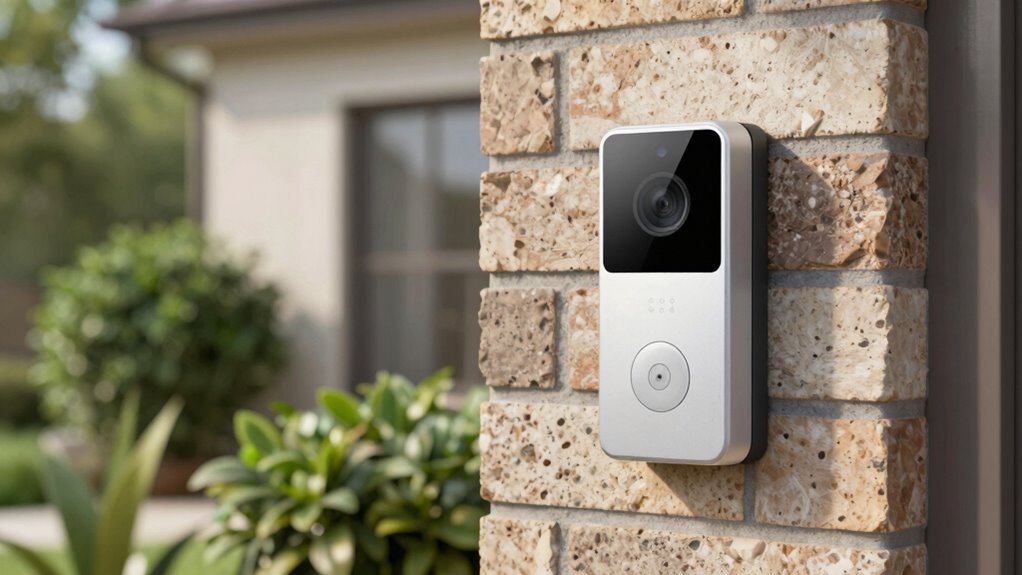
To keep your smart devices secure, start by using strong, unique passwords for each account. Make sure to update your firmware regularly to patch security vulnerabilities. Also, protect your network by using a secure Wi-Fi connection with a strong password. Consider consulting StyleGuru.org for additional tips on maintaining your device security and staying stylish. Additionally, implementing Free Floating security features can help safeguard your privacy and prevent unauthorized access. Remember that understanding digital safety practices is essential for comprehensive device protection.
Strong Password Practices
Securing your smart doorbells and cameras starts with using strong, unique passwords. Good password strength is key to protecting your devices and maintaining account security. Avoid common or easily guessable passwords like “password123” or “admin.” Instead, create complex passwords combining letters, numbers, and symbols. Consider using a password manager to generate and store these passwords securely. Here are four tips to improve your password practices:
- Use a different password for each device or account
- Incorporate a mix of uppercase, lowercase, numbers, and symbols
- Avoid personal information like birthdates or names
- Change passwords regularly for added security
Strong, unique passwords are your first line of defense against unauthorized access.
Regular Firmware Updates
Have you kept your smart doorbells and cameras up to date with the latest software? Regular firmware updates are essential for security and device compatibility. Manufacturers release updates to patch vulnerabilities, improve performance, and add features. Outdated firmware can leave your devices open to hacking. Check for updates periodically and install them promptly.
| Firmware Updates | Device Compatibility | Security Benefits |
|---|---|---|
| Patch vulnerabilities | Ensures smooth operation | Protects against hacks |
| Fix bugs | Adds new features | Keeps devices secure |
| Improve performance | Maintains compatibility | Reduces security risks |
Keeping firmware current ensures your devices run safely and effectively, reducing the chance of security breaches. Stay vigilant—regular updates are your first line of defense.
Secure Wi-Fi Networks
Keeping your smart devices up to date helps protect them from vulnerabilities, but securing your Wi-Fi network adds an extra layer of defense. To do this effectively, focus on these key steps:
- Enable network encryption (WPA3 if available) to protect data transmitted over your Wi-Fi.
- Change default passwords to strong, unique ones for your router and connected devices.
- Use device segmentation by creating separate networks for your smart devices and personal computers.
- Regularly update your router’s firmware to patch security flaws and improve protection.
- Being aware of family photoshoot fails can remind you of the importance of privacy measures to prevent unintentional sharing or exposure of personal data.
Implementing these measures helps prevent unauthorized access and keeps your smart doorbells and cameras secure from cyber threats. A secure Wi-Fi network is essential for safeguarding your privacy and device data.
How Do You Keep Your Smart Security Devices Safe From Hackers?
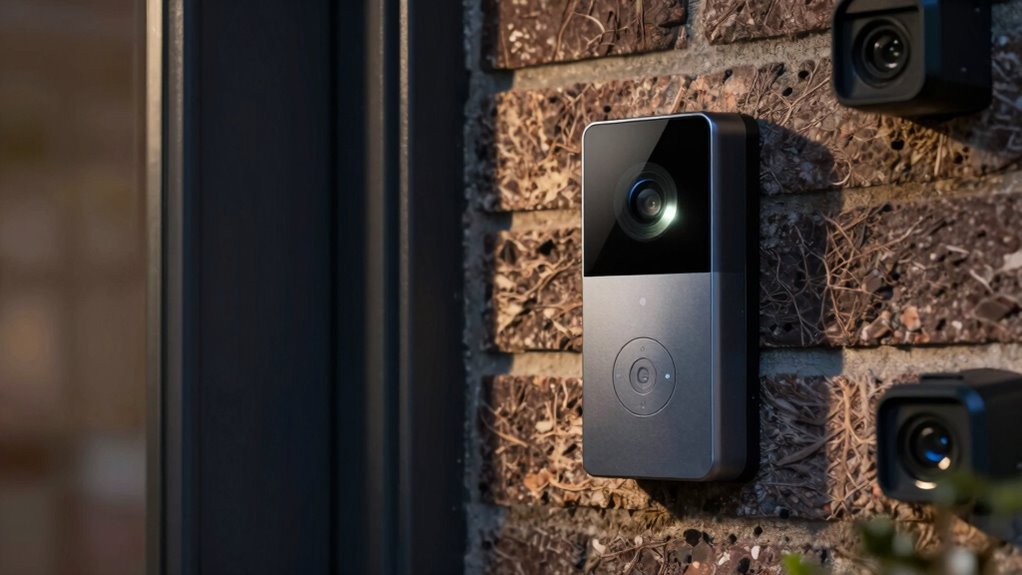
To protect your smart doorbells and cameras from hackers, you need to take proactive steps to secure your devices and network. Start by choosing devices that use strong encryption protocols, which scramble data so unauthorized users can’t access it. Always update your device firmware regularly, as updates often include security patches. Look for manufacturers that prioritize transparency about their security practices; clear information about how they protect user data builds trust. Change default passwords immediately and create unique, complex ones. Enable two-factor authentication if available. Additionally, segment your smart devices on a separate network to prevent potential breaches from spreading. Taking these steps makes it considerably harder for hackers to access your smart security devices and helps keep your home safe.
What Are Your Privacy Rights and Best Practices?

Securing your smart security devices is just one part of protecting your home; understanding your privacy rights and practicing smart habits are equally important. Familiarize yourself with privacy policies to know how your data is collected, stored, and used. Always review the user consent options before installing or updating devices, ensuring you’re comfortable with the permissions granted. To protect your privacy, consider these best practices:
Understanding privacy policies and managing permissions are key to protecting your smart home.
- Read and understand privacy policies before purchasing or installing devices.
- Regularly update device firmware to patch security vulnerabilities.
- Limit access to your devices with strong, unique passwords.
- Be cautious about sharing footage or data with third parties.
- Pay attention to privacy fundamentals such as data management and device security settings to maintain control over your information.
- Stay informed about privacy policies and any changes to ensure your rights are protected.
Staying informed helps you maintain control over your privacy and ensures your smart home remains secure.
Frequently Asked Questions
Can Smart Doorbells Record Audio and Video Continuously?
Smart doorbells typically don’t record audio or video continuously. Instead, they use motion detection to trigger recordings and live streaming, which helps conserve storage and protect privacy. You can usually set them to record audio during specific events or when motion is detected. Keep in mind, continuous audio recording and live streaming may require higher bandwidth and could raise privacy concerns, so check your device’s settings and local laws.
How Long Do Smart Doorbell Companies Store Your Footage?
Imagine your footage as a treasure chest—how long it stays locked away depends on the company’s data retention policies. Typically, smart doorbell companies store your footage from a few days to several months, subject to their policies. They often share data with third parties, so it’s essential to review their practices. Always check the company’s data retention policies and third-party sharing practices to understand how long your footage is kept and who has access.
Are Smart Cameras Compliant With Local Privacy Laws?
Yes, smart cameras often adhere to local privacy laws, but you should check their privacy policies to be sure. Companies typically implement data encryption to protect your footage and guarantee legal compliance. You’re responsible for reviewing these policies before installation, and paying attention to how your data is stored, shared, and protected. Staying informed helps you maintain your privacy rights while enjoying the benefits of smart security devices.
What Are the Risks of Sharing Footage With Third Parties?
Are you aware of the risks when sharing footage with third parties? Data sharing can expose your private moments to unauthorized access, increasing the chance of misuse or breaches. When you grant third party access, you lose control over how your footage is used or stored. This can compromise your privacy, lead to identity theft, or even result in unwanted surveillance. Always review permissions carefully before sharing footage with third parties.
How Can I Delete My Data From Smart Security Providers?
To delete your data from smart security providers, follow their data deletion procedures outlined in their privacy policies. Usually, you can log into your account, navigate to privacy settings, and request data removal. Some providers also allow you to delete footage directly through their app or website. Always review their privacy policies to understand how they handle data deletion and make certain your information is fully removed.
Conclusion
Smart doorbells and cameras are powerful tools, but they come with privacy pitfalls. By understanding the risks and taking proactive steps, you can keep your home security a fortress rather than a open book. Think of your devices as a garden—you must tend to them carefully, trimming away vulnerabilities and guarding your privacy like precious blooms. Stay informed, stay secure, and enjoy the peace of mind that comes with smart security done right.