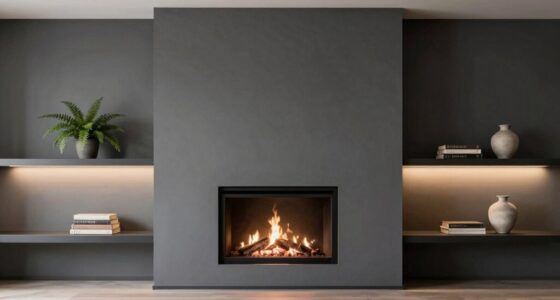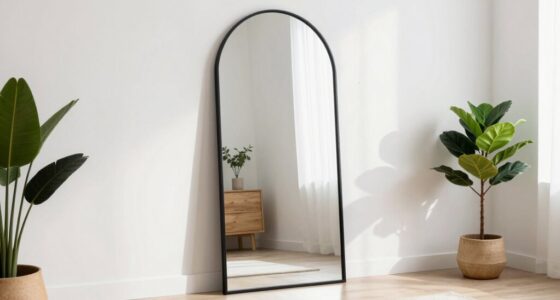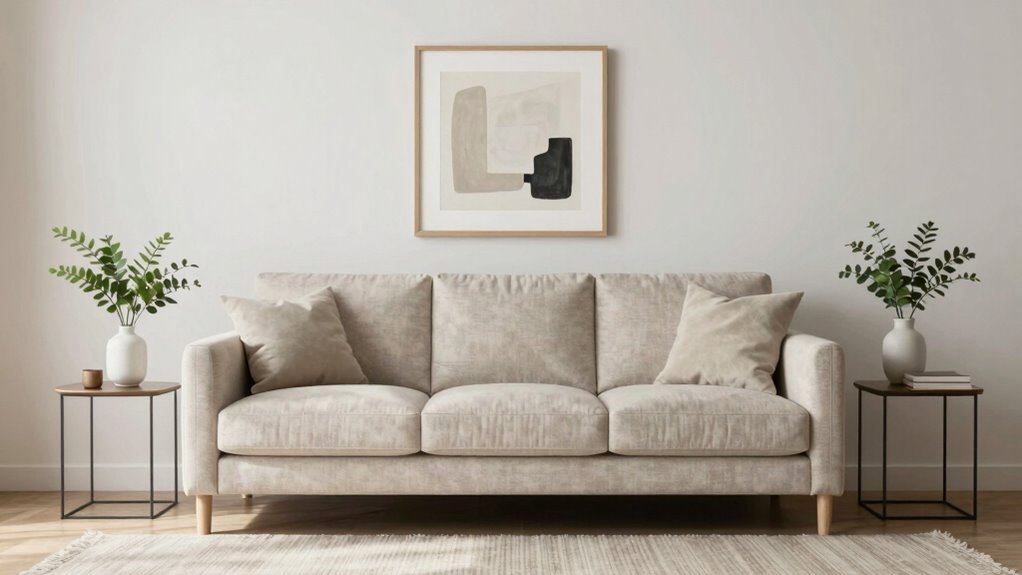

To create a calm and intentional room, focus on balancing color, furniture, and natural elements. Use a cohesive palette of soft neutrals or pastels, and arrange furniture thoughtfully to encourage easy flow and symmetry. Incorporate natural light and elements like plants or wood accents to enhance harmony. Keep proportions proportionate and avoid clutter, creating simple visual balance. This trick fosters a peaceful, mindful space—if you continue exploring, you’ll discover how to make this balance even more effective.
Key Takeaways
- Use a cohesive color palette with soft neutrals to create visual harmony and a calming atmosphere.
- Arrange furniture symmetrically to promote order and balanced flow.
- Incorporate natural elements like plants and wooden accents for harmony and mindfulness.
- Maximize natural light and use gentle lighting to enhance the room’s peaceful ambiance.
- Maintain simplicity and proportion, avoiding clutter to achieve a sense of intentionality and calm.
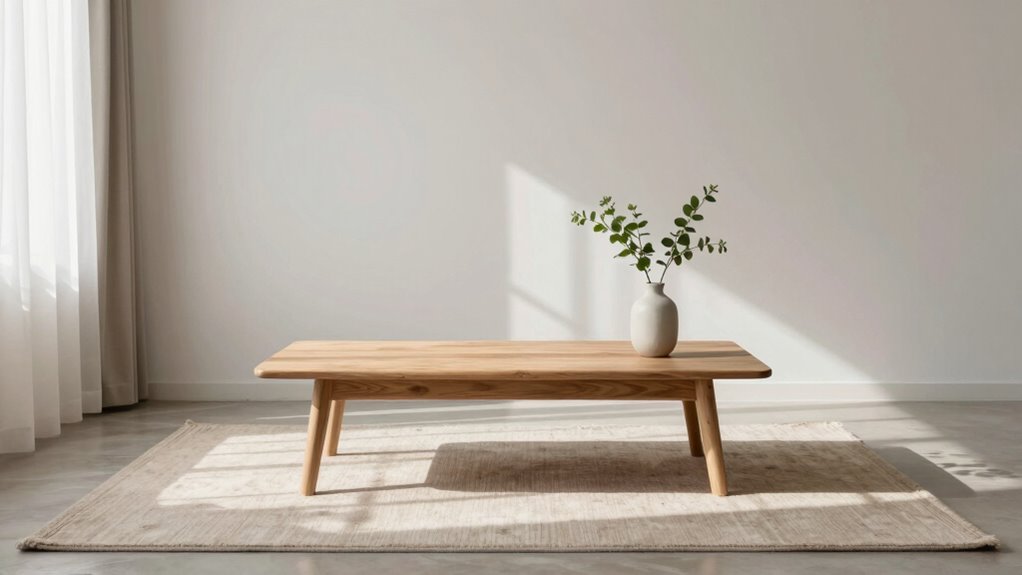
Creating a calm and intentional room might seem challenging, but the key lies in mastering a simple balance trick. When you focus on achieving harmony through color and furniture placement, your space naturally feels more peaceful and thoughtfully curated. It’s all about creating a visual flow that relaxes the mind and guides your eye effortlessly across the room.
Start by considering color harmony. Choose a palette that’s soothing and cohesive, using two or three main colors that complement each other. Soft neutrals like beige, gray, or pastels work well for creating a calm atmosphere. Use these shades consistently across walls, textiles, and accent pieces. Avoid overly bright or contrasting colors that might create visual tension. Instead, aim for a balanced mix where each hue supports the others, establishing a sense of unity. This harmony in color sets the tone for a room that feels intentional and peaceful from the moment you walk in.
Next, pay attention to furniture placement. The trick here is to strike a balance between open space and functional arrangement. Avoid cluttering the room with too many pieces; instead, select a few key items that serve both aesthetic and practical purposes. Position furniture in a way that encourages flow and accessibility, ensuring pathways are clear and furniture isn’t overpowering the space. For example, a sofa anchored in the center of the room with thoughtfully placed side tables and a rug underneath creates a grounded, inviting focal point. Keep larger pieces proportionate to the room size to prevent any overwhelming feeling. Symmetry can also play a role—mirrored arrangements or matching side tables can create a sense of order and calm. Incorporating biodiversity principles by choosing sustainable and natural materials can further enhance the sense of harmony and mindfulness in your space. Additionally, considering the impact of natural light can elevate the calming atmosphere and bring vitality to your room. Incorporating natural elements like plants or wooden accents can also reinforce this harmonious feeling.
In addition, paying attention to how natural light interacts with your color and furniture choices can significantly boost the calming effect. Proper lighting can enhance the visual flow and overall atmosphere of the room, making it feel more open and inviting.

For the Love of White: The White & Neutral Home (White Company)
As an affiliate, we earn on qualifying purchases.
As an affiliate, we earn on qualifying purchases.
Frequently Asked Questions
How Do I Start Balancing My Room’s Decor?
To start balancing your room’s decor, focus on arranging your artificial plants and decorative accents thoughtfully. Place larger pieces, like plants, on the ground or at eye level to anchor the space. Distribute smaller accents evenly across surfaces, avoiding clutter. Use a mix of textures and heights to create visual interest. Step back often to assess the balance, adjusting items until your room feels both calm and intentional.
Can This Trick Work With Small Spaces?
Imagine this, like a Renaissance painter mastering composition—yes, the balance trick works in small spaces too. You can achieve decor symmetry by placing similar items on opposite sides, creating a harmonious vibe. Use subtle color contrast to add interest without clutter. Focus on a few key pieces rather than filling every inch, and your small space will feel calm and intentional, proving good design isn’t about size but balance.
What Colors Enhance a Calm Room?
Soft, muted colors like blues, greens, and neutrals enhance a calm room because of their positive impact on mood enhancement and color psychology. These hues promote relaxation and reduce stress, making your space feel more peaceful and balanced. You should choose colors that evoke tranquility and harmony, helping you unwind. Incorporating these calming shades creates an environment that’s both soothing and visually appealing, perfect for rest and reflection.
How Often Should I Rearrange for Balance?
You should rearrange for balance every few months to maintain decor symmetry and keep your space feeling fresh. Focus on creating a strong focal point, like a statement piece or artwork, and adjust furniture around it. Moving items periodically helps you see what works best, ensuring your room remains calm and intentional. Don’t be afraid to experiment, as small shifts can make a significant difference in achieving visual harmony.
Does Furniture Placement Affect the Balance Trick?
Yes, furniture placement directly affects the balance trick. Think of your room as a symphony where symmetry and contrast create harmony. When you arrange furniture thoughtfully, you guarantee visual weight, making the space feel calm and intentional. Positioning larger pieces opposite smaller ones or balancing asymmetrical elements with contrasting shapes ensures your room feels cohesive. Proper placement turns chaos into calm, inviting tranquility through careful balance.
Conclusion
Remember, achieving a calm and intentional space isn’t about perfection but balance. If it feels like your room is still a bit chaotic, try adjusting a few elements for better harmony. Don’t worry if it takes time—small tweaks make a big difference. With patience and a keen eye for balance, your space will naturally become more soothing and purposeful. Trust the process, and soon you’ll enjoy a room that truly reflects tranquility and intention.