TL;DR
A designer has introduced a 70-20-10 rule that helps make inexpensive furniture look more luxurious. This approach is gaining popularity among interior enthusiasts and professionals, though its origins are unconfirmed. The trend signals a shift in how affordable decor can be styled to appear premium.
A designer’s 70-20-10 rule is rapidly gaining attention for its ability to make inexpensive furniture look more expensive. The approach, which involves specific proportions of design elements, is being adopted by interior enthusiasts and professionals seeking affordable ways to elevate their spaces. While the exact origin of this rule remains unconfirmed, its popularity underscores a shift toward accessible luxury in home decor.
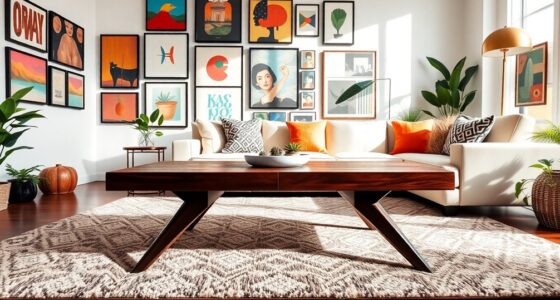
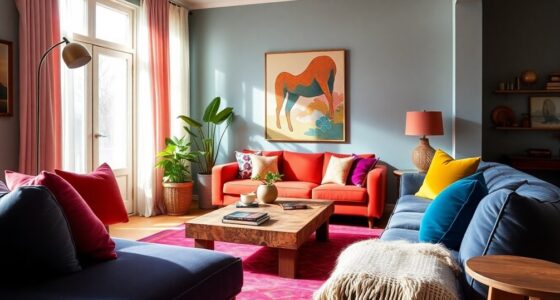
The 70-20-10 rule suggests that 70% of a design’s visual impact should come from a dominant element, such as a neutral or classic piece of furniture, while 20% is derived from secondary accents, and the remaining 10% from small, statement accessories. According to trend observers, applying this proportion helps create a balanced, cohesive look that appears polished and high-end, even when using budget-friendly items.
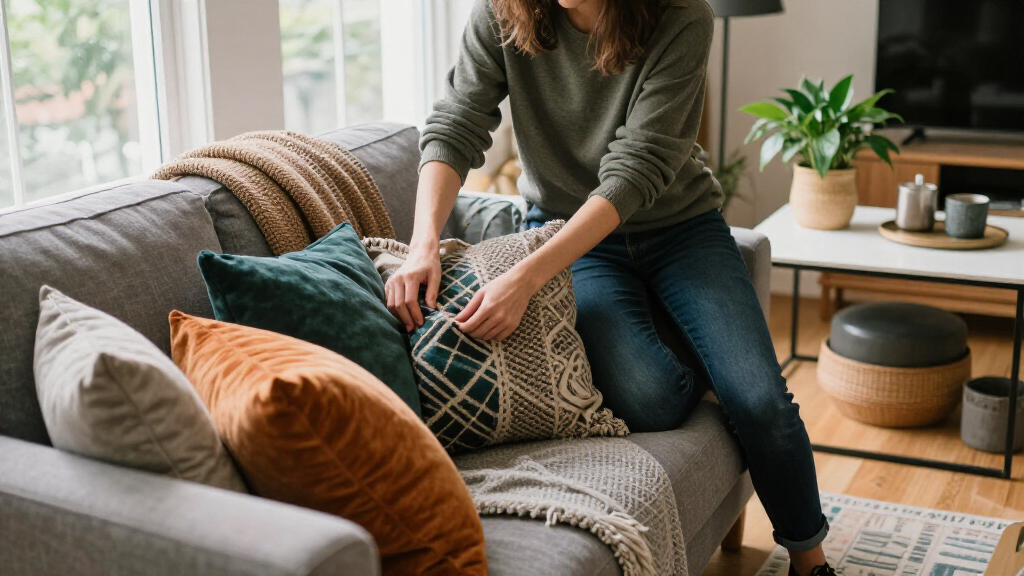
Interior designers and DIY enthusiasts are reportedly experimenting with this rule by pairing inexpensive furniture with curated accessories, textured textiles, or strategic color accents. This method allows for a sophisticated aesthetic without the expense of high-end furnishings. The approach is being discussed widely on social media platforms and interior design forums, fueling increased interest in affordable styling techniques.
While the rule’s effectiveness is being praised, it’s important to note that its precise origin remains unverified. The trend appears to be a recent development, possibly inspired by broader movements toward accessible luxury and cost-effective interior design, but no formal attribution has been confirmed from a specific designer or brand.
Why the 70-20-10 Rule Matters for Affordable Home Decor
This trend demonstrates that high-end aesthetics can be achieved on a budget, which is especially relevant as consumers seek cost-effective ways to improve their living spaces. The 70-20-10 rule offers a practical framework for styling that can help make inexpensive furniture look more curated and luxurious, potentially reducing the pressure to purchase expensive items. It also reflects a broader shift in interior design toward personalization and resourcefulness, making stylish living more accessible.
For retailers and DIY decorators alike, understanding and adopting this rule could influence purchasing decisions and styling strategies, emphasizing quality over quantity and thoughtful accessorizing. As interest in affordable luxury grows, this approach might reshape consumer expectations and industry standards for home styling.
As an affiliate, we earn on qualifying purchases.
Emerging Trends in Affordable Interior Styling
The concept of elevating budget furniture through strategic styling is not new, but recent social media activity indicates a surge in popularity for the 70-20-10 rule. The trend aligns with a broader movement toward sustainable and accessible interior design, where consumers seek to maximize the visual impact of their furniture without overspending.
While the specific origin of the rule remains unconfirmed, it echoes principles from established design philosophies that emphasize balance, proportion, and focal points. The current buzz appears to be driven by online communities sharing before-and-after photos, styling tips, and success stories of transforming inexpensive pieces into stylish elements of home decor.
Industry experts note that this trend could influence future product development, with brands possibly offering more versatile, affordable furniture designed to fit within this styling framework. However, it is still early days, and the full impact of the rule on the market remains to be seen.
Unconfirmed Origins and Broader Adoption
The precise origin of the 70-20-10 rule remains unverified, with no clear attribution to a specific designer or brand. Its recent surge in popularity appears to be driven by social media trends and online communities, but formal endorsement or documentation is lacking. It is also unclear how widely the rule will be adopted in professional interior design or retail sectors, or whether it will influence industry standards long-term.
Potential Impact and Future Developments
As interest in the 70-20-10 rule grows, more designers and consumers may experiment with this approach, potentially leading to more formalized styling guidelines or product offerings tailored to this framework. Industry experts will likely monitor its influence on furniture sales, styling practices, and online content. Further research and case studies could clarify its effectiveness and help establish it as a standard method for affordable interior design.
Key Questions
What exactly is the 70-20-10 rule in interior design?
The 70-20-10 rule suggests that 70% of a design’s visual impact should come from a dominant element, 20% from secondary accents, and 10% from small accessories, creating a balanced, high-end look using affordable furniture.
Is the 70-20-10 rule a new invention?
The specific origin of the rule remains unconfirmed. It appears to be a recent trend emerging from social media discussions rather than a formal design principle from a known designer.
Can this rule really make cheap furniture look expensive?
Many users and some interior experts believe that applying the rule through strategic pairing and accessorizing can elevate the aesthetic of inexpensive furniture, making it appear more polished and luxurious.
Will this trend influence furniture sales or industry standards?
It is too early to tell. Increased interest may lead to more styling tutorials, product offerings, and industry shifts toward accessible luxury, but formal adoption is still uncertain.
Should I try this styling approach at home?
Yes, if you want to enhance your home’s look on a budget. Focus on proportion, accessories, and balance, but remember that individual taste and space are important factors.
Source: rss