
TL;DR

Get furniture and decor delivered free — and shop member deals
- Fast, free delivery on millions of items
- Access to Prime Big Deal Days deals on October 6–7
- Prime Video, Amazon Music and more included
A Veranda report presents five curb appeal ideas that four design professionals expect to gain attention in 2027. The suggestions include entryway container gardens, seasonal decorations, linear landscape layouts, larger mature plantings and distinctive exterior lighting; the report offers expert forecasts, not market data proving how widely they will be adopted.
Veranda has outlined five curb appeal trends its interviewed designers expect to gain attention in 2027, including entryway container gardens, seasonal installations, more structured landscaping, larger plants and expressive exterior lighting. The report reflects expert forecasts, rather than measured data about homeowner spending or adoption, and offers homeowners a preview of ideas for shaping a home’s first impression.
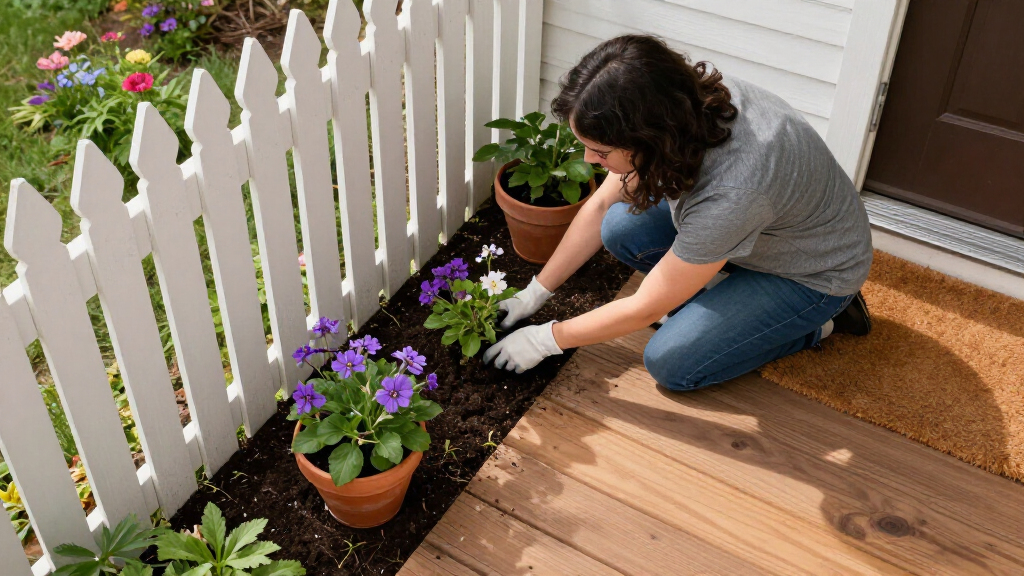
The ideas come from comments by four design professionals featured in the report. Brit Trible, founder of Gilded Lily Designs, expects container gardens near entrances to become more prevalent. She recommends choosing planters that suit a home’s architecture and combining plants with different heights and textures, while accounting for the site’s light and growing conditions. Her examples include square or Versailles-style planters for Georgian and Federal homes and taller contemporary vessels for Craftsman houses.
Trible also forecasts more seasonal front-yard displays, pointing to social media and the growth of companies offering installation services. Examples she suggested include pumpkin displays, lit Christmas trees along a porch and jasmine draped over a picket fence in spring. Natalie Konstant, founder of Natalie Konstant Interiors, expects landscape layouts to take on clearer lines, defined planting beds and a more deliberate structure after years of softer, curved designs.
Michael Winn, founder of WINN Design + Build, says homeowners may favor planting trees and other landscaping at a more mature size to see an immediate effect. He suggested a 14- to 16-foot tree as a possible starting point, while noting that it can be set without a crane. The fifth forecast, from architect Nadia Palacios, is for more considered exterior lighting, including fixtures that add texture or refer to a home’s history. For a 1936 home renovation, she used vintage-style street lamps beside the front door.
Design Choices at the Front Door
The five ideas focus on features visitors notice from the street: the entrance, planting, seasonal decoration and light. If homeowners follow the forecast, the changes could shape how front yards are planned, with more attention to scale, architecture and composition than to lawn neatness alone. Mature trees can create a more immediate visual presence, while containers and lighting offer ways to change or refine an entrance without redesigning an entire yard.
The suggestions also involve different levels of effort and expense. Seasonal displays may call for recurring purchases or installation, while larger trees require planning for transport, placement and the conditions at the site. The report does not compare costs or assess the effect of these choices on property values. Readers should treat the list as design guidance from interviewed professionals, not a guarantee of resale returns or a survey of what most homeowners will choose.
From Curved Beds to Clear Lines
The report frames its forecasts as a shift in emphasis across several parts of a home’s exterior. Konstant describes recent gardens as favoring sweeping curves and naturalistic planting, with cleaner layouts more often used at contemporary homes. Her prediction is that defined beds and crisp lines will appeal more broadly. That is her assessment of design direction; the supplied source does not provide historical sales or landscaping data to quantify the change.
Other suggestions combine established design considerations with new applications. Trible ties planter choices to architectural style and growing conditions, while Palacios describes lighting as a way to add texture and highlight a building’s character. The report cites social media displays and installation businesses as influences on seasonal decorating. It does not name specific companies or provide figures on how that market has grown.
The forecast is credited to Veranda and Ethan Herrington. Alongside Palacios, Trible and Konstant, the article quotes Tyler Banken, owner of a New York-based landscape design firm and a designer at that year’s Kips Bay Decorator Show House New York. Banken called mature plants, particularly trees, “the new status symbol.” That phrase is his characterization, not a finding supported by consumer research in the material provided.
“Combine plants with varied heights and textures suited to the light and growing conditions.”
— Brit Trible, founder of Gilded Lily Designs
How Widely Will Homeowners Adopt Them?
The source identifies these ideas as designers’ expectations for 2027. It does not establish that they will appear everywhere, measure current demand or show how many homeowners plan to adopt them. No adoption figures, cost comparisons or survey results are included in the supplied material. It is also unclear whether seasonal installations are growing in use across the market or are especially visible because of social media examples and specialist services.
The practical fit of each idea depends on the property. Plant choice and tree placement can depend on light, growing conditions, available space and the home’s architecture. The report offers examples, but it does not provide site-specific recommendations, budgets or maintenance estimates. The forecasts may change as designers and homeowners respond to conditions during 2027.
What to Watch in 2027
The report sets out predictions rather than a scheduled program or an industry announcement, so it names no formal next milestone. Their uptake can be judged over the coming year through new landscaping projects, design coverage and homeowner choices. For now, readers can use the ideas as prompts: compare planters with the home’s architecture, consider whether defined planting beds suit the property, and think through tree size and placement before a purchase.
Seasonal displays and lighting can also be assessed against the home’s style and the effort required to maintain them. The experts’ comments do not specify a single look or prescribe that every home use all five ideas. Whether these forecasts become broad trends remains to be seen; the source establishes what the designers expect, not what the market has confirmed.
Key Questions
What are the five curb appeal trends forecast for 2027?
The report lists entryway container gardens, seasonal front-yard installations, structured landscape layouts, larger mature plantings and distinctive exterior lighting.
Are these trends confirmed to be appearing everywhere?
No. They are forecasts from design professionals quoted by Veranda. The supplied source provides no market survey or adoption figures showing how widely homeowners will use them.
What tree size did Michael Winn suggest?
Winn suggested a 14- to 16-foot tree as one possible size: large enough to have a visible presence, he said, while still small enough to set without a crane. Site conditions and placement still matter.
How can homeowners choose entryway planters?
Trible recommends matching planter style to the home’s architecture and combining plants with varied heights and textures that suit the available light and growing conditions.
Source: rss
Fall Picks
fall essentials
As an affiliate, we earn on qualifying purchases.