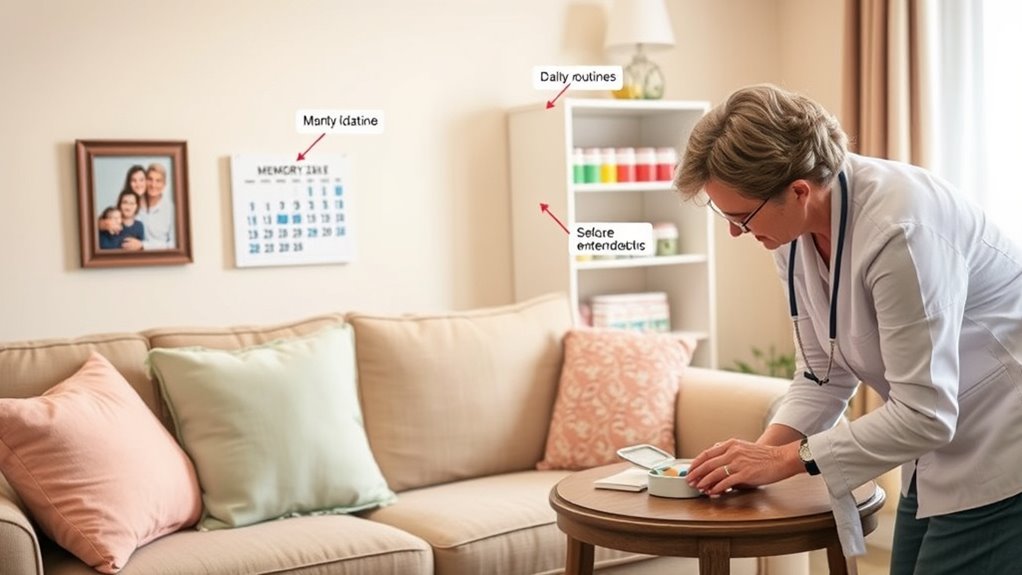

To organize your loved one’s home for easier navigation, start by labeling common items and areas with large, clear signs. Use visual cues and contrasting colors to help identify furniture and essentials quickly. Keep items in consistent, accessible spots and create visual prompts for routines. Simple labels and bright signs reduce confusion and promote independence. Staying organized this way makes daily life smoother—keep exploring to learn more helpful tips to create a safer, more supportive environment.
Key Takeaways
- Use large, clear labels with simple words or pictures on essential items and areas to reduce confusion.
- Label frequently used zones like the bathroom, kitchen, and bedroom to guide navigation.
- Incorporate visual cues and contrasting colors alongside labels to enhance visibility and recognition.
- Keep labels consistent and in predictable locations to reinforce routine and familiarity.
- Utilize trays or bins with labeled sections for organizing daily essentials like keys, glasses, and medications.
Creating a safe and supportive home for a loved one with dementia can be challenging, but with thoughtful planning, you can make everyday life easier for them and reduce your stress. One of the most effective ways to do this is by implementing safety modifications throughout your home. Start by evaluating potential hazards like loose rugs, cluttered walkways, or sharp furniture edges. Secure rugs with non-slip pads, install grab bars in bathrooms, and add nightlights to illuminate dark areas. Lock or remove items that could pose risks, such as sharp tools or cleaning supplies, and consider installing door alarms or locks if your loved one tends to wander. These safety modifications create a secure environment that promotes independence while minimizing the risk of accidents.
In addition to physical safety, integrating memory aids into your home setup can greatly support your loved one’s daily functioning. Labeling common items and areas with clear, large signs helps reduce confusion and fosters a sense of familiarity. For example, place labels on the bathroom door, refrigerator, and bedroom closet. Use simple words or pictures to make these labels easily understandable. Visual cues can also be used to guide them through routines, such as placing a tray with a cup and utensils in the kitchen to encourage meal times or using a calendar with large dates to highlight daily activities. These memory aids serve as external reminders, helping your loved one navigate their environment more confidently and independently.
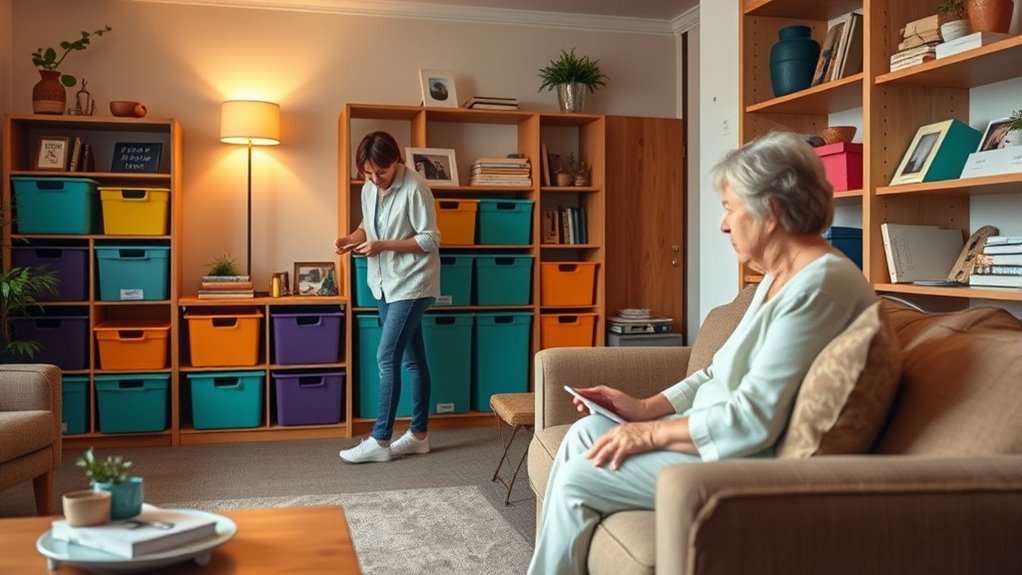
Creating designated spots for frequently used items can also simplify daily routines and reduce frustration. Keep keys, glasses, medication, and other essentials in consistent, easily accessible locations. Using trays or small storage bins can help keep clutter to a minimum and make it easier for your loved one to find what they need. Incorporating visual cues and contrasting colors for important items or furniture can further enhance visibility and spatial awareness. All these adjustments contribute to a more organized, predictable environment that eases anxiety and supports your loved one’s sense of security.

Dementia Reminder Labels & Stickers for Seniors – Easy-Peel Home Location Labels for Alzheimer’s & Memory Support – Drawer, Door & Room Reminder Set
INSTANT HOME CUES – Turn drawers, doors, and rooms into simple visual reminders that support daily routines.
As an affiliate, we earn on qualifying purchases.
As an affiliate, we earn on qualifying purchases.
Frequently Asked Questions
How Can I Ensure Safety While Labeling Items?
You can guarantee safety by using clear, personalized labeling that’s easy to read and understand. Choose large fonts and high-contrast colors, and include familiar words or pictures to help your loved one recognize items. Be sensitive to emotional considerations by avoiding labels that could cause frustration or embarrassment. Regularly check labels for wear and tear, and keep labels simple to reduce confusion and promote independence safely.
What Are the Best Materials for Durable Labels?
You should choose durable materials like laminated paper, plastic, or vinyl for labels, ensuring long-lasting labels that withstand daily wear. When considering labeling techniques, opt for clear, large fonts with high contrast, and simple designs to aid recognition. Label design considerations include avoiding clutter and using bold, easy-to-read text. These choices help your loved one easily identify items, promoting independence and safety in their organized environment.
How Do I Update Labels as Needs Change?
Like turning a page in a familiar book, updating labels becomes an ongoing story of adaptation. You can peel off or cover old labels with new, clearer ones as needs shift, making sure your loved one’s environment stays safe and comforting. Engage family members for emotional support and fresh input, turning this task into a collaborative effort. Together, you keep the home vibrant and responsive, just like a living, breathing map.
How Can I Make Labels Accessible for Visually Impaired?
To make labels accessible for the visually impaired, use tactile labels that can be felt easily, like raised text or braille. Pair these with high contrast signage to improve visibility for those with partial sight. Guarantee labels are placed at accessible eye level and are durable. Combining tactile labels and high contrast signage creates an inclusive environment, allowing your loved one to navigate more independently and confidently.
What Should I Avoid When Labeling for Dementia Care?
Avoid using overly complex or confusing labels, as they can cause frustration and emotional distress. Steer clear of culturally insensitive images or words that might upset your loved one. Keep labels simple, positive, and consistent to reduce anxiety and confusion. Remember, emotional impact matters—consider their background and preferences, ensuring labels feel respectful and familiar. This approach helps create a supportive environment that respects their dignity and cultural identity.

Daily Medication Reminder Board, Medication Tracker for Seniors, Color-Coded Cards, Easy-to-Read Visual Organizer for Home
SEE THE DAY AT A GLANCE – A simple medication tracker board that keeps daily pills and routines…
As an affiliate, we earn on qualifying purchases.
As an affiliate, we earn on qualifying purchases.
Conclusion
By labeling everyday items and creating clear, simple spaces, you make your loved one’s life safer and more comfortable. It might seem overwhelming at first, but imagine the relief on their face when they find things easily, reducing frustration. Your effort transforms chaos into calm, giving them independence and dignity. With patience and organization, you turn your home into a gentle haven, showing your love in every thoughtful detail.

44 Pack Labels for Storage Bins, 3×5 Inches Index Card Holder Organizer, Clear Adhesive Pockets, Plastic Label Holders for Tote Library Card Bins Box Drawer Classroom Organization
📑【For 3×5 Inch Cards】The outer size of clear adhesive pockets is 3.7 x 5.3 inch, specifically designed to…
As an affiliate, we earn on qualifying purchases.
As an affiliate, we earn on qualifying purchases.
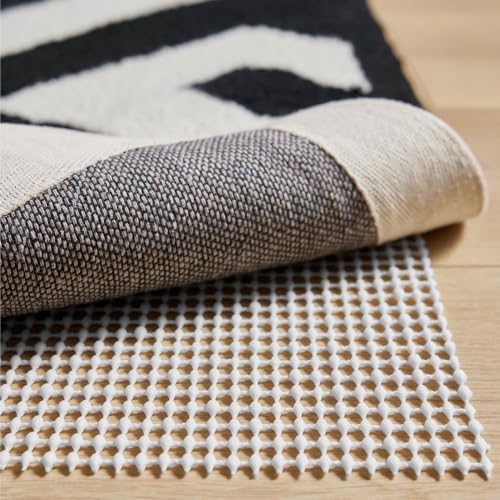
GORILLA GRIP® Strong Rug Pad Gripper, Grips Help Keep Area Rugs Safe in Place, Slip and Skid Resistant Pads for Tile and Hardwood Floors, Under Carpet Mat Cushion Floor Protection, 2×3 FT
THE ORIGINAL EXTRA STRONG GRIPPER: our trusted Gorilla Grip nonadhesive rug pads offer a unique, dual sided grip…
As an affiliate, we earn on qualifying purchases.
As an affiliate, we earn on qualifying purchases.