
Even beautiful homes can hide accessibility mistakes that limit usability for everyone. You might overlook easy-to-use controls or place switches out of reach, making daily tasks harder. Fancy lighting designs can compromise visibility, while touch screens or voice commands may challenge some users. Neglecting universal design means missing out on accessible features that benefit all residents. If you want to spot these issues and create an inclusive space, there’s more you’ll want to discover ahead.

Get furniture and decor delivered free — and shop member deals
- Fast, free delivery on millions of items
- Access to Prime Big Deal Days deals on October 6–7
- Prime Video, Amazon Music and more included
Key Takeaways
- Overemphasis on aesthetics can lead to neglecting accessible design features for users with mobility or visual impairments.
- Poor lighting placement and insufficient levels reduce visibility, safety, and ease of navigation.
- Inadequate or inaccessible control options hinder usability for diverse residents.
- Smart home systems may exclude users with mobility challenges if not configured with accessibility in mind.
- Lack of universal design principles results in homes that look beautiful but are difficult to use for some individuals.
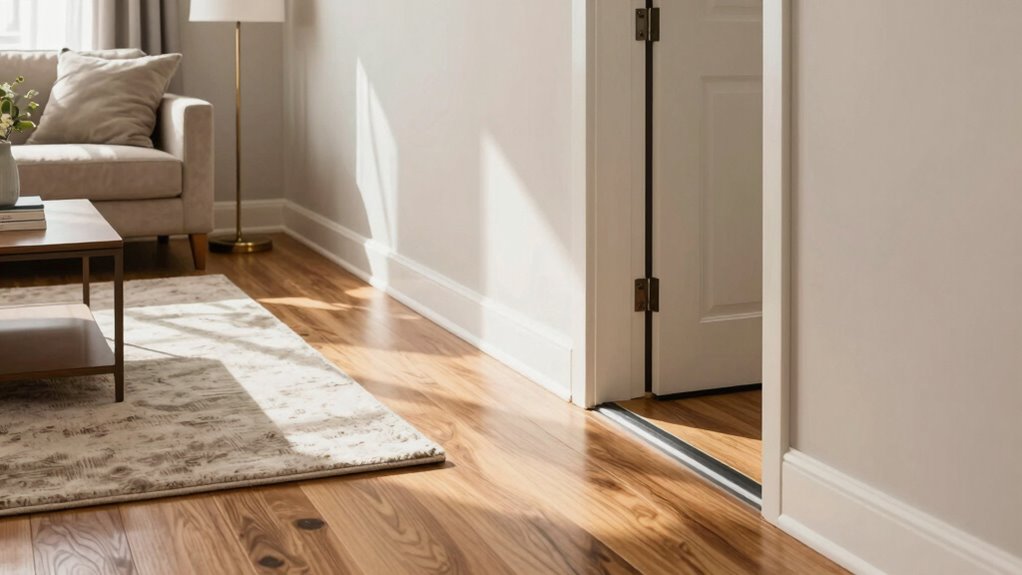
Have you ever wondered why some beautiful homes unintentionally overlook accessibility? It’s a common oversight, especially when homeowners focus so much on aesthetics that they forget about functionality. One area where this often happens is with smart home technology and interior lighting. While modern smart home systems can make your living space sleek and stylish, they sometimes neglect to take into account ease of use for everyone, including those with mobility challenges or visual impairments. If you’re not careful, you might end up with a home that looks stunning but isn’t as user-friendly as it could be.
Many homeowners install high-end smart home features to control lighting, temperature, and security, assuming they’re accessible to all. But if these systems aren’t set up with accessibility in mind, they can become frustrating and difficult to operate. For example, touch-screen controls or voice-activated devices might work well for some, but they can be problematic for others who have trouble with fine motor skills or auditory processing. This oversight can turn what should be a convenience into a barrier. When designing your interior lighting, it’s important to factor in options like physical switches at accessible heights or voice-controlled lighting that’s easy to activate. These simple adjustments ensure everyone can enjoy the ambiance and functionality of your home without frustration.
Another common mistake is neglecting to incorporate proper lighting levels throughout your home. Beautiful homes often feature dramatic lighting schemes that focus on aesthetics, but they might overlook the importance of adequate, well-placed lighting to aid visibility. Insufficient or overly complicated lighting controls can make daily activities more difficult for those with visual impairments or mobility issues. You should think about layered lighting—combining ambient, task, and accent lighting—and ensure switches are reachable from a seated or standing position. accessible controls are essential for enhancing usability, and integrating them into your lighting plan can prevent unnecessary difficulties. Smart lighting systems can help here, allowing you to preset scenes or control lights remotely, but only if they’re properly configured to be accessible and easy to operate. Additionally, integrating biodiversity-friendly lighting options, such as fixtures that minimize light pollution and support nocturnal wildlife, can also contribute to a more sustainable and harmonious home environment.
In essence, creating a beautiful home isn’t just about the visual appeal; it’s about making sure that everyone can enjoy and navigate it comfortably. When you think about integrating smart home technology and interior lighting, prioritize accessibility from the start. Choose intuitive controls, give thought to physical placement, and plan for diverse needs. Designing with universal accessibility in mind ensures your home is both stunning and inclusive, fostering comfort and usability for all residents. Only then will your home be truly stunning and inclusive, ensuring that beauty and functionality go hand in hand.
accessible light switches for home
As an affiliate, we earn on qualifying purchases.
As an affiliate, we earn on qualifying purchases.
Frequently Asked Questions
How Can I Identify Hidden Accessibility Issues in My Home?
You can identify hidden accessibility issues in your home by conducting a thorough walk-through, looking for hidden hazards like uneven floors, loose rugs, or narrow doorways. Pay attention to design oversights that might make movement difficult, such as high thresholds or poorly placed switches. Ask for feedback from friends or family members with mobility challenges, and consider consulting an accessibility expert to spot subtle issues you might overlook.
What Are Affordable Solutions for Improving Home Accessibility?
You can improve home accessibility affordably by integrating smart technology like voice-activated lights or thermostats, which ease daily tasks. Additionally, decorative modifications such as installing non-slip rugs, lever-style doorknobs, or wider doorways enhance safety and usability without sacrificing style. These solutions are budget-friendly, simple to implement, and can markedly boost your home’s accessibility, making it more comfortable and functional for everyone.
How Do I Balance Aesthetics and Accessibility in Design?
You can balance aesthetics and accessibility by choosing home decor that seamlessly integrates functional features, like sleek grab bars or stylish ramps, into your interior style. Opt for accessible furniture with clean lines and neutral colors to maintain your design vision. Prioritize universal design principles that enhance both beauty and usability, ensuring your space remains visually appealing while accommodating everyone’s needs. This approach creates a harmonious and inclusive environment.
Are There Legal Requirements for Accessibility in Private Homes?
Yes, there are legal requirements for accessibility in private homes, especially if you’re building or modifying for future use or rental. Laws like the Fair Housing Act and ADA encourage features like wider doorways, ramps, and accessible home automation or smart technology. These innovations make your home more inclusive and compliant, while also enhancing convenience. Staying informed about local regulations guarantees you meet legal standards and create a welcoming space for everyone.
What Professionals Can Help Assess My Home’s Accessibility?
You can turn to certified accessibility consultants or occupational therapists who specialize in home modifications to assess your home’s accessibility. They evaluate spaces for safety and functionality, recommending solutions like home automation and smart technology to improve usability. These professionals help identify hidden barriers, guaranteeing your home is both beautiful and accessible. Their expertise ensures that your smart technology integrations, like automated lighting or voice-controlled systems, meet your needs effectively.
Conclusion
Making your home both beautiful and accessible isn’t just about aesthetics—it’s about inclusion. Did you know that approximately 1 in 4 adults in the U.S. face some form of disability? By avoiding these common mistakes, you create a space welcoming to everyone, regardless of ability. Small changes can make a big difference, so take a proactive approach. After all, a truly beautiful home should be accessible to all who enter.
Fall Picks
fall essentials
As an affiliate, we earn on qualifying purchases.