To improve reachability, visibility, and comfort room by room, focus on strategic furniture placement and good lighting. Clear pathways and keep frequently used items within easy reach, avoiding clutter. Use adjustable or wall-mounted lights for better illumination, and add mirrors to reflect light and enhance visibility. Incorporate space-saving furniture and maintain fixtures for safety. Small adjustments can make a big difference, and if you keep exploring, you’ll discover even more ways to optimize each space effectively.

Get furniture and decor delivered free — and shop member deals
- Fast, free delivery on millions of items
- Access to Prime Big Deal Days deals on October 6–7
- Prime Video, Amazon Music and more included
Key Takeaways
- Use proper lighting, including natural light and adjustable fixtures, to enhance visibility in each room.
- Arrange furniture against walls and keep pathways clear for easy movement and accessibility.
- Incorporate wall-mounted shelves and compact storage to maximize space and reachability.
- Strategically place mirrors to reflect light and improve room visibility.
- Regularly assess and adjust layout to maintain safety, reduce clutter, and support diverse needs.

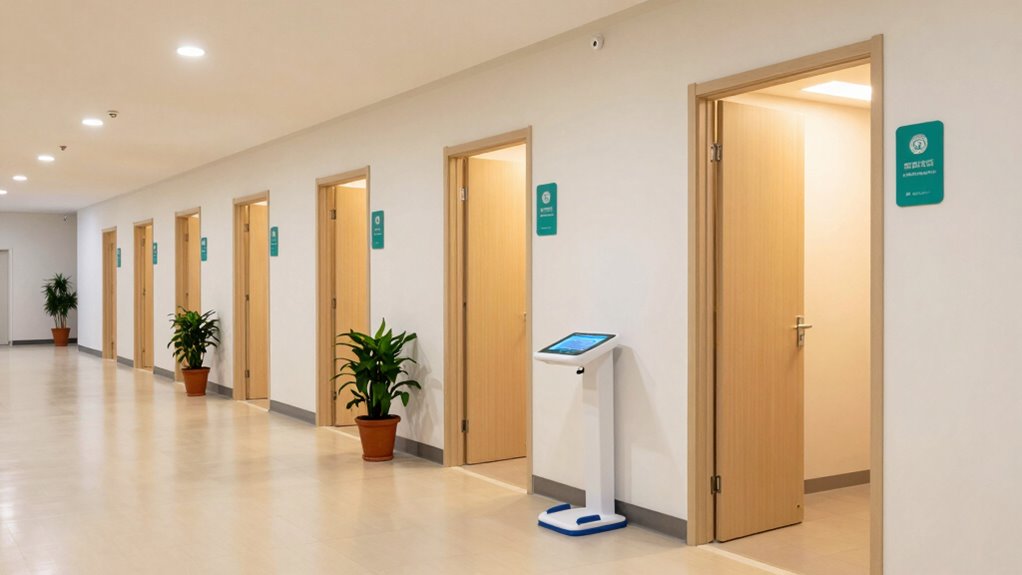
Ensuring your comfort room is both easily accessible and visually clear can substantially enhance your overall experience. When it comes to improving reachability and visibility, focusing on lighting optimization and furniture arrangement makes a significant difference. Proper lighting is essential; it not only brightens the space but also eliminates shadows that might obscure key areas. You want to make sure the lighting is evenly distributed, avoiding harsh glares or dim spots. Installing adjustable lights or wall-mounted fixtures can help you control brightness levels, ensuring the room remains well-lit at all times. Natural light, when available, should be maximized by using sheer curtains or strategically placed mirrors that reflect sunlight into the space. This creates a vibrant, inviting environment that’s easy to navigate.
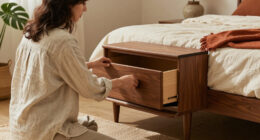
Furniture arrangement plays an equally vital role in enhancing visibility and reachability. Start by clearing pathways and making sure there’s enough space to move comfortably without obstruction. Position furniture so that essential items, like the toilet, sink, and storage, are within easy reach and visibly accessible. For instance, placing storage cabinets at waist height prevents you from bending or stretching unnecessarily, reducing strain and increasing convenience. Keep frequently used items close to their designated spots, so you don’t have to hunt around or stretch awkwardly. Avoid cluttering the space with unnecessary furniture or decorations that could block sightlines or restrict movement. Instead, opt for a minimalist layout that emphasizes openness and accessibility. Additionally, incorporating ergonomic furniture can further enhance comfort and accessibility, making daily routines more efficient and less strenuous.
Incorporating thoughtful furniture choices, such as wall-mounted shelves or compact cabinets, can free up floor space and improve overall visibility. When arranging furniture, consider the natural flow of movement—place larger pieces against walls to maximize walking space and prevent bottlenecks. Make sure mirrors are strategically positioned to reflect light and give a clear view of the entire room, which boosts both safety and ease of use. Regularly assess the room’s layout to identify and remove any obstacles that may hinder reachability or visibility. Keep the room well-maintained by fixing any broken fixtures or loose fittings, ensuring the space remains safe and functional. Additionally, understanding the importance of lighting optimization can help you create a well-lit and inviting environment. Incorporating space planning and universal design principles can also significantly improve the room’s overall functionality and comfort, especially when considering adaptive solutions for diverse needs.
adjustable wall-mounted LED lights
As an affiliate, we earn on qualifying purchases.
As an affiliate, we earn on qualifying purchases.
Frequently Asked Questions
What Are the Best Colors to Enhance Visibility in Each Room?
You should choose colors based on color psychology and lighting design principles. Bright, neutral shades like white, beige, or light gray enhance visibility and make rooms feel spacious. In work areas, energizing colors like yellow boost alertness, while calming blues promote relaxation in bedrooms. Use contrasting colors for accents to improve depth perception. Proper lighting complements these choices, ensuring each room’s colors support both visibility and comfort effectively.
How Can Smart Technology Improve Bathroom Accessibility?
You can improve bathroom accessibility with smart technology by integrating voice assistants and smart sensors. Voice assistants allow you to control lighting, faucets, and even showers hands-free, making everything easier to access. Smart sensors detect movement and adjust lighting automatically, reducing the need to reach or navigate in the dark. Together, these technologies create a more comfortable, safer bathroom environment, especially for those with mobility challenges or visual impairments.
What Are Cost-Effective Ways to Upgrade Reachability?
You can upgrade reachability affordably by implementing simple DIY solutions like installing adjustable shelves and grab bars at accessible heights. Consider using affordable modifications such as lever-style door handles and motion-activated lighting to improve visibility and ease of use. These cost-effective approaches don’t require professional help, making it easier for you to create a more comfortable and accessible space without breaking the bank.
How Do I Assess Current Comfort Levels in Different Rooms?
To assess comfort levels in each room, observe how lighting placement affects the space and note areas with insufficient or harsh lighting. Check if furniture arrangement allows easy movement and access, making sure nothing blocks pathways or creates awkward corners. Sit or move around in each room to feel comfort and visibility firsthand. Adjust lighting and furniture as needed, and seek feedback from others to identify any overlooked issues.
What Safety Features Should I Prioritize for Elderly Users?
Think of safety features as your first line of defense. Prioritize grab bars and non-slip mats to support elderly mobility, especially in bathrooms and stairs. Install adequate lighting to prevent falls and guarantee visibility. Keep safety equipment like emergency call buttons within easy reach. These steps help create a safer environment, making your space more comfortable and reducing risks for elderly users, so they can move around with confidence.
Conclusion
By applying these tips, you’ll transform your space into a haven of accessibility and comfort, making every room more welcoming and functional. Remember, a well-organized home isn’t just about aesthetics; it’s about creating a sanctuary where everything is within arm’s reach, much like the good old days of the Victorian parlor. So, roll up your sleeves and start today—because a more accessible home is just a few simple steps away, and your comfort is worth every effort.
Halloween Picks
halloween
As an affiliate, we earn on qualifying purchases.