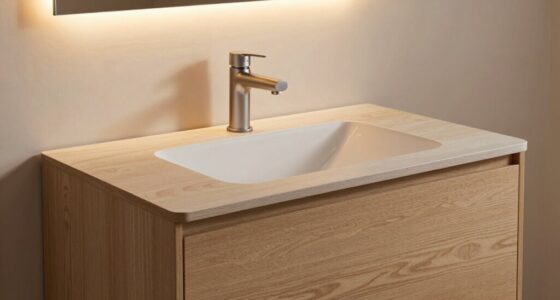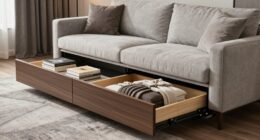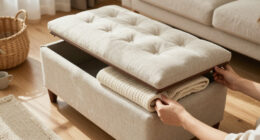
Universal design often looks better than you expect because it combines functionality with modern, stylish details that enhance any space’s aesthetic. You might see accessibility features integrated as subtle design accents rather than obvious fixes, creating a seamless, elegant look. Thoughtful use of contemporary materials and clean lines makes spaces feel both practical and beautiful. If you stay with us, you’ll discover how these innovative designs turn accessibility into a stylish statement.

Get furniture and decor delivered free — and shop member deals
- Fast, free delivery on millions of items
- Access to Prime Big Deal Days deals on October 6–7
- Prime Video, Amazon Music and more included
Key Takeaways
- Universal design integrates modern materials and sleek lines, elevating aesthetic appeal beyond traditional accessibility features.
- Thoughtful, stylish details replace clinical elements, creating visually stunning and inviting spaces.
- Cohesive, minimalist designs enhance overall beauty while maintaining functionality and ease of use.
- Innovative design approaches demonstrate that accessibility can be seamlessly incorporated into attractive architecture.
- The focus on aesthetics and functionality challenges stereotypes, showing universal design as both practical and visually compelling.
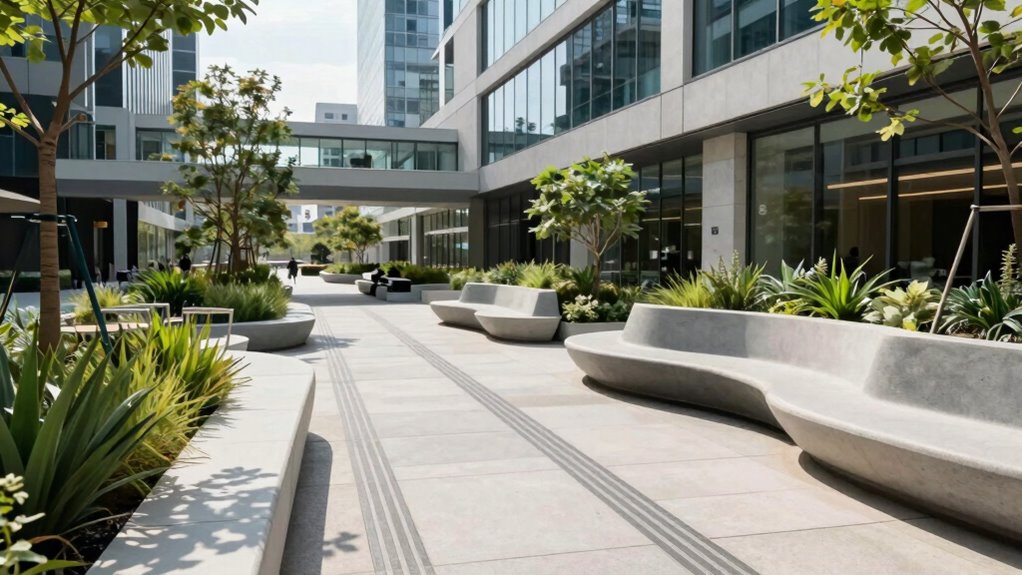
Universal design isn’t just about accessibility; it’s about creating spaces and products that look great and work better for everyone. When you think of universal design, you might picture plain, utilitarian spaces that prioritize function over form. But the reality is quite the opposite. It’s a driving force behind architectural innovation that seamlessly blends practicality with aesthetic appeal. Developers and designers who embrace this approach often push boundaries, crafting environments that are both inclusive and visually stunning. This isn’t a compromise; it’s a transformation of how we think about beauty and utility working together.
Universal design combines beauty and function, transforming spaces into inclusive, stylish environments that inspire and delight everyone.
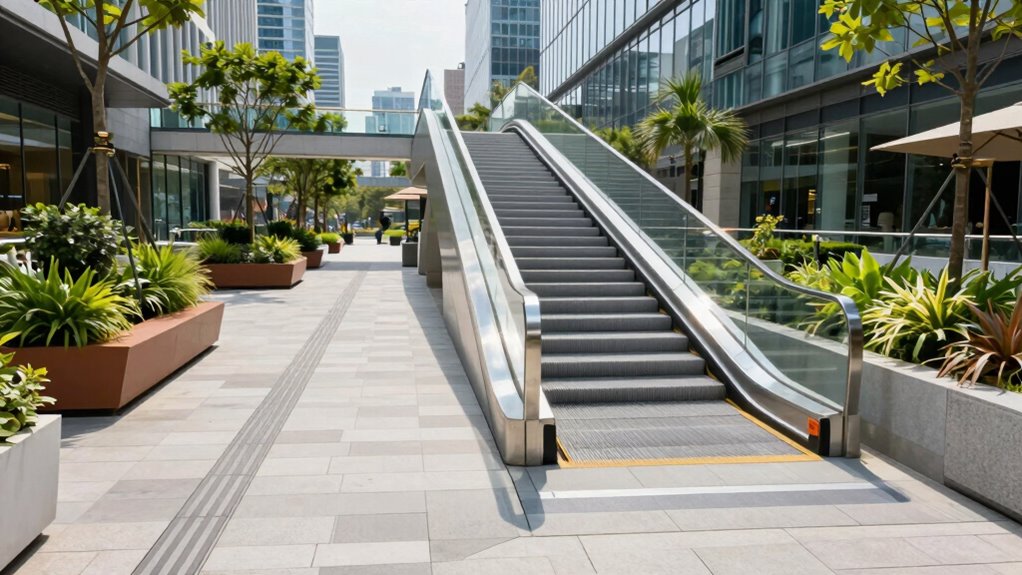
You might be surprised at how sophisticated and stylish universal design can be. Instead of dull, clinical features, you’ll find thoughtful details that elevate the look of any space. For example, modern ramps and handrails aren’t just functional—they’re crafted with sleek lines and contemporary materials that complement the overall architecture. These elements demonstrate that accessibility features can serve as design accents rather than afterthoughts. The key lies in innovative thinking—using architectural innovation to reimagine what accessible spaces can look like. When done well, universal design becomes a statement of style, making spaces more inviting for everyone, regardless of ability.
Moreover, universal design often leads to cleaner, more cohesive aesthetics. Because it emphasizes simplicity and functionality, clutter is minimized, and visual harmony is prioritized. You’ll notice that accessible entrances, wide hallways, and ergonomic fixtures don’t have to detract from the beauty of a building—they can enhance its overall aesthetic appeal. Thoughtful integration of these features results in environments that feel natural and effortless. It’s about creating a flow that’s intuitive and pleasing to the eye. When architectural innovation is paired with good design principles, universal spaces become more than just accessible—they become inspiring, elegant, and timeless. Additionally, embracing inclusive design principles can foster a sense of community and shared beauty that elevates the entire environment. Incorporating universal design into building practices can also lead to cost efficiencies and long-term benefits, making them sustainable choices. Recognizing that aesthetic appeal and accessibility are interconnected encourages designers to innovate further in this field. Sometimes, these designs also incorporate smart technology to improve usability and aesthetic harmony seamlessly. It’s a powerful reminder that thoughtful design can serve everyone’s needs while remaining visually captivating.
In the end, the appeal of universal design lies in its ability to challenge stereotypes. It shows that spaces can be both inclusive and aesthetically compelling. You don’t have to sacrifice style for functionality; instead, you can have both. When architects and designers prioritize both aspects through innovative approaches, the result is a built environment that looks better than you might expect—one that invites everyone in and makes them feel comfortable, confident, and proud of their surroundings. That’s the true beauty of universal design: it’s not just inclusive but also an expression of creativity and refinement.
Frequently Asked Questions
How Does Universal Design Impact Overall Aesthetic Appeal?
Universal design enhances overall aesthetic appeal by creating spaces with aesthetic harmony and visual cohesion. When you incorporate universal principles, you guarantee that design elements blend seamlessly, making environments look more balanced and appealing. You’ll notice that thoughtful, inclusive design choices elevate the space’s beauty, making it inviting for everyone. Ultimately, universal design doesn’t compromise style; it enriches the visual experience, making your environment both functional and stunning.
Are There Specific Design Elements That Enhance Universal Design’s Look?
Yes, certain design elements enhance universal design’s look by promoting aesthetic harmony and visual balance. You’ll notice that simple, clean lines and cohesive color palettes create an inviting, unified appearance. Incorporating accessible features subtly guarantees they blend seamlessly without disrupting the overall style. Thoughtful lighting and balanced proportions further improve visual harmony, making spaces feel both inclusive and attractive. These elements help universal design look better than you might initially expect.
Can Universal Design Be Customized to Match Different Styles?
Yes, universal design can be customized to match different styles through adaptive customization and style flexibility. You can select finishes, colors, and materials that blend seamlessly with your aesthetic preferences, ensuring functionality doesn’t compromise your design vision. By working with architects or designers, you’ll find ways to incorporate universal features seamlessly, creating a space that’s both accessible and visually appealing. This approach makes universal design feel natural and personalized for your unique style.
What Materials Are Best for Achieving Both Function and Beauty?
You’ll find that natural wood, sleek metal, and textured stone strike the perfect balance between function and beauty. These materials showcase rich textures and versatile color palettes that blend seamlessly into various styles. Their durability guarantees longevity, while their aesthetic appeal enhances your space’s overall look. By thoughtfully combining these textures and colors, you create a design that’s not only accessible but also visually stunning and inviting.
Does Universal Design Increase Costs Significantly?
Universal design might slightly increase initial costs due to extra features, but it often balances out through better long-term value and fewer modifications later. Your budget considerations should include these potential cost implications, as investing in flexible, accessible solutions can save money over time. Plus, universal design enhances aesthetics and functionality, making your space more attractive and user-friendly, proving it’s a smart, cost-effective choice in the long run.
Conclusion
Universal design isn’t just about accessibility; it’s about creating spaces that surprise you with their beauty and functionality. Think of it as a hidden gem, shining brighter than you imagined. When you embrace inclusive design, you open the door to environments that are not only practical but also inspiring. So, next time you see a space, remember—beauty often lies in the unseen details, waiting to transform your expectations into delightful realities.
Fall Picks
fall essentials
As an affiliate, we earn on qualifying purchases.