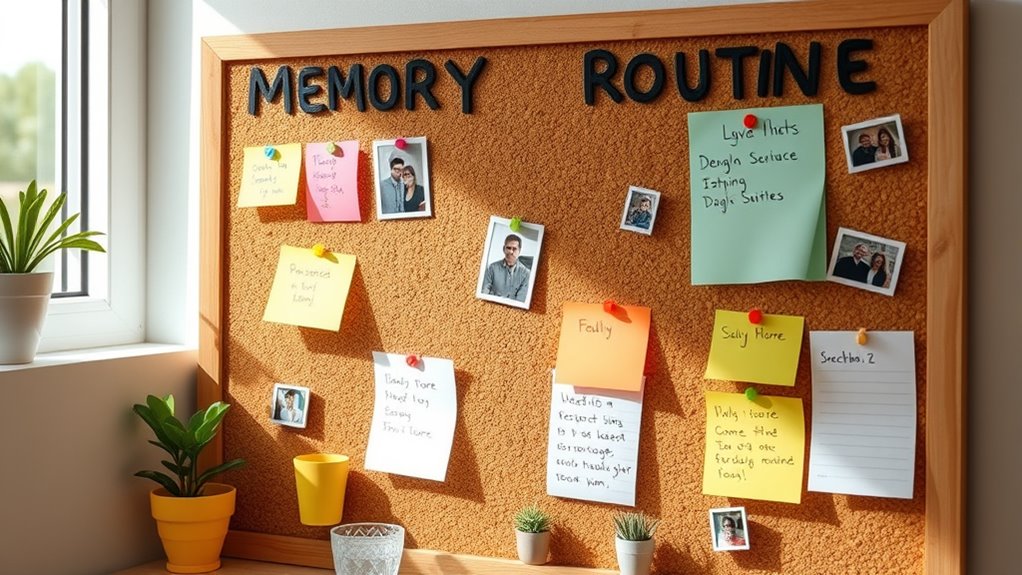

Creating a DIY daily routine center for loved ones is a great way to organize and celebrate special moments. Use a durable and attractive material like cork, wood, or a magnetic board to display photos, notes, and keepsakes. Design sections for routines, memories, or quotes, adding decorative touches that match your decor. Regular updates keep the space fresh and engaging. Keep exploring for tips to make your memory board a meaningful, interactive hub for daily life.
Key Takeaways
- Personalize the board with photos, notes, and keepsakes reflecting loved ones’ personalities and shared memories.
- Choose durable materials like cork, wood, or magnetic surfaces for easy customization and long-term use.
- Organize sections for routines, reminders, and special moments using decorative borders and labels.
- Incorporate functional elements such as pockets, hooks, and string lights to enhance usability and visual appeal.
- Regularly update the board to keep content fresh, fostering ongoing emotional connection and daily engagement.
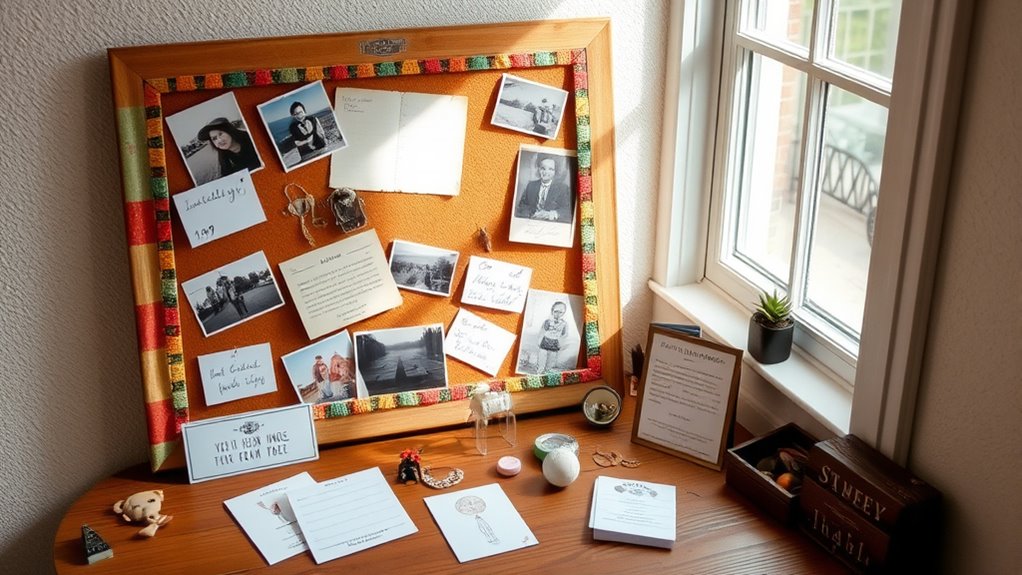
Memory boards are creative and practical tools that help you organize and display your cherished memories. They serve as a visual reminder of special moments, loved ones, and milestones, making them perfect for creating a daily routine center for your loved ones. When designing your memory board, personalization techniques are key to making it meaningful and uniquely yours. Think about incorporating photographs, handwritten notes, or even small keepsakes that resonate with your loved ones’ personalities and shared experiences. By tailoring the content, you ensure the board feels personal and engaging, encouraging daily interaction and emotional connection.
Memory boards personalize routines by showcasing cherished moments, fostering daily engagement and emotional connections.
Material selection is equally important in crafting an effective memory board. You want materials that are durable, easy to work with, and visually appealing. For the base, options range from corkboards and wooden panels to magnetic surfaces or fabric-covered boards. Corkboards are versatile because they allow pinning photos, notes, and mementos without damage. Wooden panels offer a sturdy, aesthetic look and can be painted or decorated to match your decor. Magnetic boards provide a sleek, modern touch and enable you to switch out items effortlessly with magnets. When choosing fabric, opt for sturdy canvas or linen that can hold pins securely and can be decorated with fabric paint or embellishments for added flair.
Once you’ve selected your materials, consider how you’ll incorporate personalization techniques. For example, you might create designated sections for different types of memories—family milestones, daily routines, or inspirational quotes. Use decorative borders, themed embellishments, or personalized labels to organize these sections. Incorporate colors that evoke warmth and positivity or match the room’s decor to ensure the board blends seamlessly into your space. Photos can be arranged chronologically or thematically, while handwritten notes or small artworks add a heartfelt touch. You could even add string lights, small hooks, or pockets to hold everyday essentials like keys, reminders, or small keepsakes, turning your memory board into a functional daily routine center.
The key to a successful memory board lies in balancing aesthetics with practicality. Regular updates keep it fresh and relevant, allowing your loved ones to feel engaged and connected. As you personalize and select your materials thoughtfully, you’ll create a vibrant, interactive space that celebrates memories and supports daily routines. This customized approach not only preserves precious moments but also fosters a nurturing environment, making your memory board a cherished centerpiece in your loved ones’ daily lives.
Frequently Asked Questions
How Do I Personalize a Memory Board for My Loved One?
To personalize a memory board for your loved one, start with their favorite photos, meaningful quotes, and special mementos. Incorporate personalization ideas like adding their name or a heartfelt message. Use sentimental touches such as favorite colors, keepsakes, or handwritten notes. Arrange everything thoughtfully, ensuring it reflects their personality and memories. This makes the board a unique, comforting reminder of your love and shared moments.
What Materials Are Safest for Memory Boards?
To guarantee materials safety for your memory board, choose non-toxic options like organic cotton, natural wood, and silicone. Avoid adhesives with strong chemicals or paints containing VOCs. Opt for BPA-free plastics and water-based glues, which are safer for your loved one. Always check labels for non-toxic certifications and test small areas first. Using these non-toxic materials minimizes health risks and creates a safe, durable memory board.
How Often Should I Update the Memory Board?
Think of your memory board as a garden that needs regular tending. You should update it weekly or whenever new memories or routines change, ensuring it remains a helpful visual cue. Daily maintenance keeps the display invigorating and engaging, preventing it from becoming dull or confusing. By regularly rejuvenating your memory board, you help your loved one stay connected and engaged, making each visit a meaningful experience.
Can Memory Boards Help With Memory Loss?
Memory boards can indeed help with memory loss by providing visual cues that support cognitive exercises and trigger memories. They offer emotional support by creating a familiar, comforting environment. You actively engage your loved ones with daily routines and important details, reinforcing their memory. Regular updates guarantee the board remains relevant, encouraging participation and boosting confidence, ultimately helping them feel more connected and supported in their daily lives.
Are There Digital Alternatives to Physical Memory Boards?
Yes, digital alternatives to physical memory boards exist. You can use digital photos to create slideshows or albums that your loved ones can easily access on tablets or computers. Online reminders can be set up through apps or calendars, helping them stay organized and recall daily routines. These digital tools are interactive and customizable, making them a practical and engaging way to support memory and daily functioning.
Conclusion
Creating a memory board isn’t just a project; it’s like building a time machine that transports your loved ones to their happiest days every single day. Imagine turning your daily routine into a magical showcase of love, laughter, and unforgettable moments—so powerful, it could make even the busiest days feel like a walk through a joyful memory lane. With a memory board, you’re not just organizing; you’re crafting a treasure chest of priceless, timeless happiness.