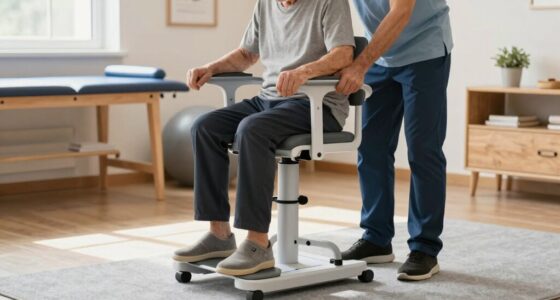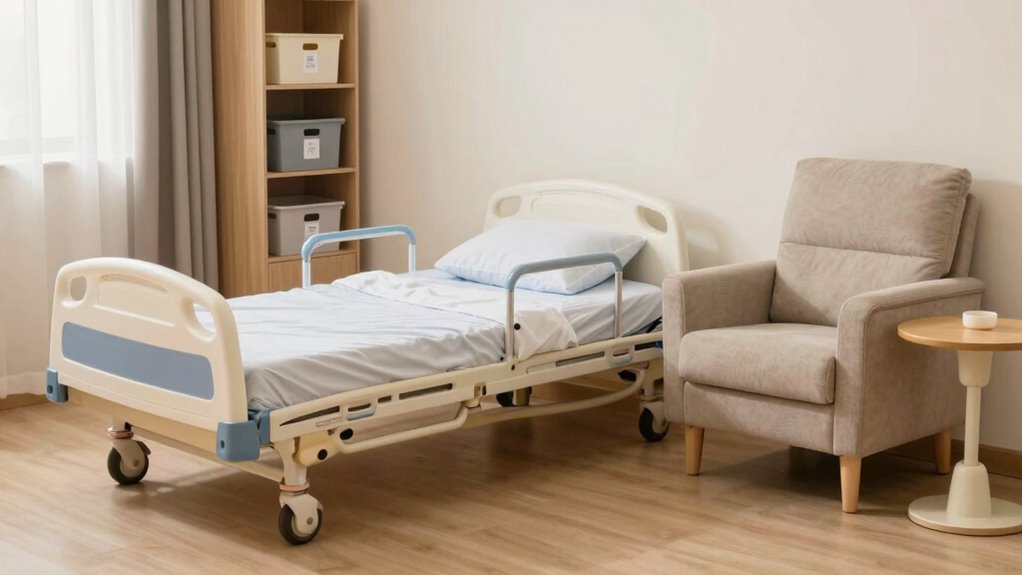

As a caregiver, a better furniture layout helps you work more efficiently and stay safe. Proper placement of items reduces unnecessary movements and prevents bumps or trips. Adjustable furniture and assistive devices make tasks easier and lessen physical strain. Good design also supports your posture, preventing long-term injuries. With safety in mind, a thoughtful setup ultimately makes your routines smoother and less tiring. Keep exploring to discover how the right furniture choices can truly make a difference.

Get furniture and decor delivered free with Prime
- Fast, free delivery on millions of items
- Prime Video, Amazon Music and more included
- Member-only deals all year
Key Takeaways
- Improved layouts reduce physical strain and fatigue for caregivers during long shifts.
- Proper furniture placement enhances safety, preventing trips, falls, and injuries.
- Optimized designs streamline caregiving tasks, increasing efficiency and reducing unnecessary movements.
- Incorporating assistive technology in layouts supports diverse needs and promotes comfort.
- Better furniture arrangements protect caregivers’ long-term health by supporting ergonomic postures and reducing strain.
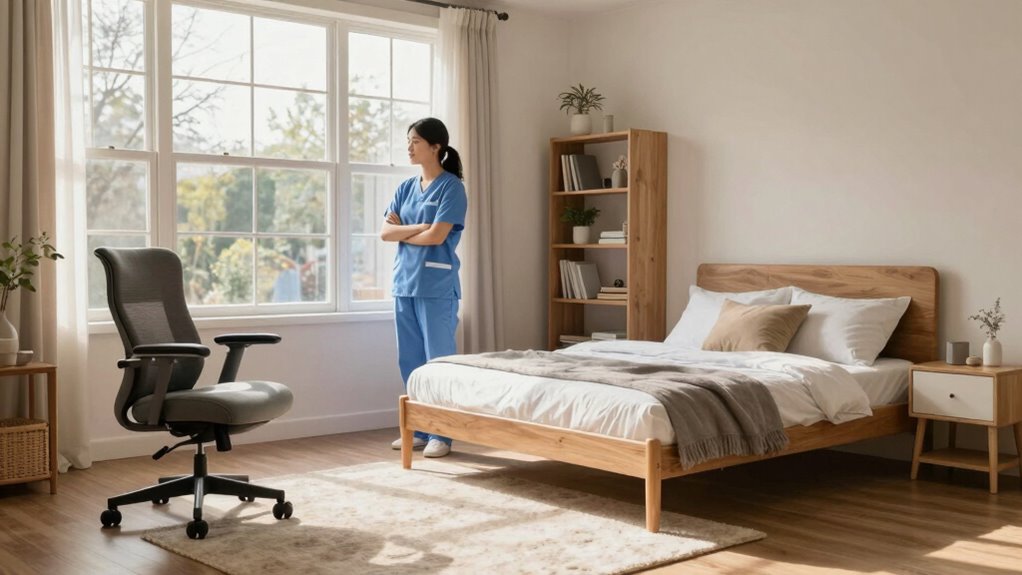
Have you ever considered how much the right furniture layout can impact a caregiver’s daily routine? It’s more than just arranging furniture for aesthetic appeal; it’s about creating a functional environment that enhances safety, efficiency, and comfort. When your space is thoughtfully designed with assistive technology and ergonomic principles in mind, you’re better equipped to handle the physical and emotional demands of caregiving. Proper furniture placement can reduce strain on your body, prevent injuries, and streamline your tasks, making a significant difference in your day-to-day life. Incorporating home security tips into your planning can further protect both caregiver and care recipient from potential hazards. Assistive technology plays an essential role in optimizing your caregiving environment. From adjustable beds to height-friendly tables and supportive chairs, these tools are designed to make tasks easier and safer. Incorporating assistive devices into your furniture layout means you won’t have to strain or awkwardly reach for essential items. Instead, everything is within easy reach, which minimizes fatigue and reduces the risk of accidental injury. When you position furniture to accommodate assistive technology, you create a space that adapts to your needs rather than forcing you to adapt to it. Additionally, ergonomic design principles can help prevent long-term health issues related to repetitive strain or poor posture. Recognizing how space planning can influence your overall well-being is crucial for maintaining a sustainable caregiving routine. For example, arranging seating that supports your back and knees while providing easy access to care supplies can prevent chronic pain. Incorporating ergonomic principles into your layout further promotes comfort and reduces physical stress during daily tasks. Proper furniture placement can also facilitate better circulation and reduce fatigue, enhancing your stamina for caregiving duties. Adjustable-height surfaces allow you to switch between sitting and standing positions comfortably, reducing fatigue during long caregiving sessions. When furniture is set up with ergonomic principles, you’re less likely to experience musculoskeletal issues, allowing you to care for your loved one more effectively and with less discomfort. The placement of furniture also influences your workflow and safety. Clear pathways prevent trips and falls, while strategically positioned items ensure that you don’t have to reach or strain unnecessarily. For instance, placing frequently used items near your workspace or bed minimizes unnecessary movements, saving energy and reducing physical wear. This thoughtful layout not only supports your physical health but also helps you stay focused and attentive to your caregiving duties. Ultimately, designing your space with assistive technology and ergonomic principles isn’t just about convenience — it’s about safeguarding your well-being and ensuring you can provide the best care possible. When your furniture layout is optimized, caregiving becomes less physically taxing and more sustainable over the long term. You’re empowered to handle daily challenges with greater ease, allowing you to be more present and effective for your loved one.
Products Worth Considering

Levoit Vital 100 Air Purifier for Home Bedroom

Levoit Vital 100S-P Air Purifier with Washable Pre-Filter

Philips Hue Smart Light Starter Kit with Bridge and 4 White and Color A19 Bulbs
As an affiliate, we earn on qualifying purchases.
Frequently Asked Questions
How Can Furniture Layouts Reduce Caregiver Fatigue?
Furniture layouts that follow ergonomic principles and optimize space can greatly reduce your fatigue. When you arrange furniture thoughtfully, you minimize unnecessary movement and strain, making tasks easier and quicker. Space optimization ensures you have enough room to maneuver comfortably, decreasing physical stress. By designing your environment with these principles, you create a more efficient, safe, and comfortable space that helps you conserve energy and stay less exhausted during caregiving activities.
What Furniture Features Best Support Caregivers’ Daily Tasks?
Imagine a caregiver steering through a maze—cluttered furniture slows them down. Ergonomic design features, like adjustable beds and supportive chairs, ease physical strain. Space optimization guarantees pathways stay clear, making daily tasks smoother. These features act as a well-planned map, reducing fatigue and boosting efficiency. By prioritizing ergonomic comfort and smart layout, you help caregivers perform their essential roles with less stress and greater confidence.
How Do Layouts Impact Caregiver Safety and Injury Prevention?
You can prevent injuries by designing layouts based on ergonomic principles and space optimization. Properly arranged furniture reduces strain during tasks like lifting or transferring patients, decreasing the risk of musculoskeletal injuries. Clear pathways ensure safe movement, while accessible tools minimize unnecessary reaching or bending. By prioritizing ergonomic principles and maximizing space, you create a safer environment that supports caregivers’ physical well-being and enhances overall safety.
Are There Specific Furniture Designs for Caregivers With Disabilities?
Yes, there are specific furniture designs for caregivers with disabilities. You find ergonomic seating that supports proper posture and reduces strain, adjustable tables that accommodate different tasks and heights, and supportive cushions that enhance comfort. These designs empower you to work efficiently, prevent injuries, and maintain your well-being. By choosing furniture tailored to your needs, you create a safer, more comfortable environment where caregiving feels manageable and sustainable.
How Often Should Furniture Layouts Be Reassessed for Caregiver Needs?
You should reassess furniture layouts whenever there’s a change in caregiver needs or household dynamics, ideally every 6 to 12 months. Incorporate aesthetic customization to make spaces comfortable and personalized, while keeping budget considerations in mind. Regular evaluations guarantee that furniture remains functional and supportive, preventing discomfort or safety issues. Staying proactive helps you adapt your environment effectively, making caregiving tasks easier and more efficient over time.
Conclusion
You might think better furniture layouts are just a luxury, but they’re essential for your comfort and efficiency. When your space is optimized, tasks become easier, reducing strain and stress. Sure, some might say rearranging costs time or money, but investing in thoughtful design pays off by making your caregiving routine smoother and safer. Don’t overlook the power of a well-planned space — it’s a simple change that can truly make a big difference.