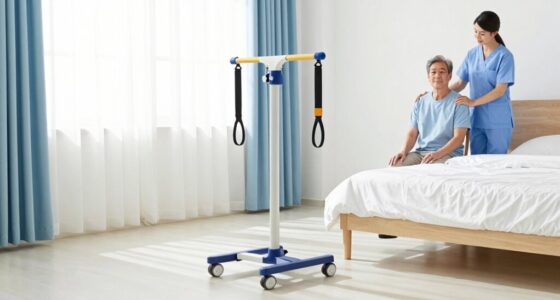
A sit‑to‑stand lift helps individuals with partial mobility who can assist with standing, reducing caregiver strain and promoting independence. It’s ideal if the patient has enough strength to bear some weight and can follow instructions. However, for those with limited endurance, unstable balance, or safety concerns, a full-body lift is safer. Understanding these differences guarantees you choose the right equipment—keep exploring to learn more about making the best choice.
Key Takeaways
- Sit-to-stand lifts are ideal for patients with partial mobility who can assist with standing and bear weight.
- Full-body lifts are safer for patients with limited strength, unstable balance, or high fall risk.
- Use sit-to-stand lifts to promote independence and reduce caregiver effort when patients can partially support themselves.
- Choose full-body lifts for patients unable to bear weight or follow instructions, ensuring safer transfers.
- Proper assessment, training, and safety features are essential to select the appropriate lift type for each patient.
What Is a Sit‑to‑Stand Lift and How Does It Work?

A sit-to-stand lift is a device designed to help you move safely from a sitting to a standing position. It’s an essential piece of assistive technology that provides support and stability during transfers. The lift usually consists of a sturdy frame, a sling, and a lifting mechanism, which works together to gently elevate you. You simply sit in the sling, which is secured around your body, and then activate the lift. This process reduces the risk of falls and minimizes strain on your muscles. The design prioritizes patient comfort, offering padded support and smooth operation. Using a sit-to-stand lift can make transfers easier, safer, and more comfortable, helping you maintain independence while reducing caregiver effort. Additionally, incorporating energy-efficient equipment can promote sustainable healthcare practices and reduce environmental impact. Proper maintenance of the lift ensures optimal safety and longevity of the device.
Who Should Use a Sit‑to‑Stand Lift? Understanding Patient Needs

Understanding who benefits most from a sit-to-stand lift is essential for ensuring safe and effective transfers. This assistive device is ideal for patients with partial mobility who can assist with standing but need support to move safely. If a patient has enough strength to bear weight and can follow instructions, a sit-to-stand lift can reduce caregiver strain and improve safety. Proper caregiver training is vital to use the lift correctly and prevent injuries. Patients with limited endurance or balance issues may not be suitable candidates, as they might require full-body lifts instead. Assessing individual needs carefully helps determine if a sit-to-stand lift is appropriate, ensuring both safety and comfort during transfers. Additionally, understanding performance fundamentals and proper device selection can significantly enhance transfer safety and efficiency. Recognizing device capabilities ensures that the chosen equipment aligns with patient needs and maximizes safety during transfers.
How to Decide Between a Sit‑to‑Stand and Full-Body Lift
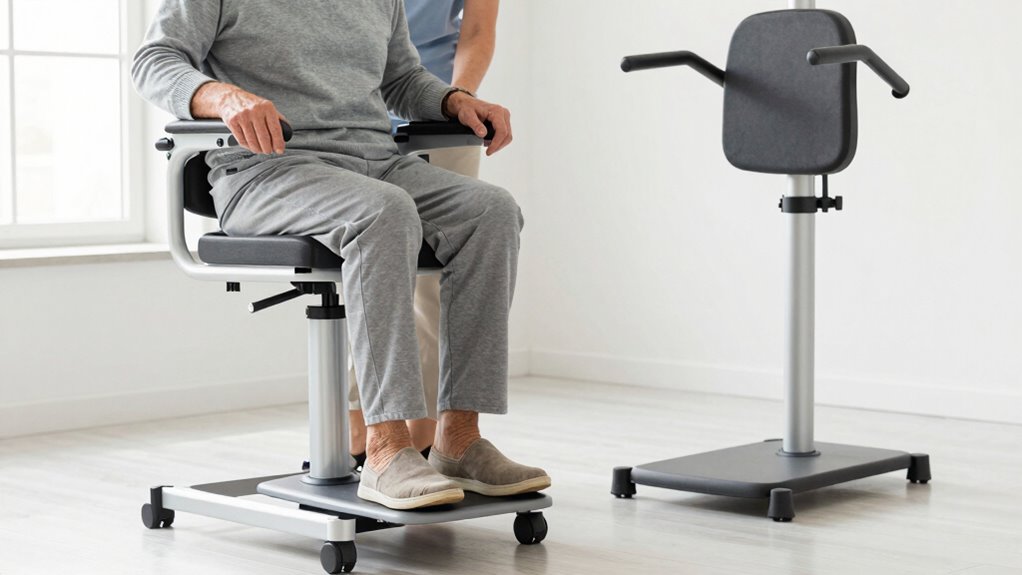
When deciding whether to use a sit-to-stand lift or a full-body lift, you need to contemplate the patient’s specific mobility level and safety needs. If a patient can partially bear weight and has better trunk control, a sit-to-stand lift may be suitable, providing easier transportation options and promoting independence. However, if the patient is unable to support their weight or has significant safety concerns, a full-body lift offers added security. Consider your caregiver training—some lifts require more skill and strength to operate safely. Proper training guarantees safe transfers and reduces injury risk. Evaluating the patient’s stability, comfort, and the environment will help you choose the most appropriate lift, balancing patient safety with practicality for both caregiver and patient. Additionally, understanding the safety features of each lift type can help prevent accidents and ensure a secure transfer. Incorporating advanced safety features, such as locking mechanisms and weight sensors, can further enhance transfer safety and reduce the likelihood of injury. Recognizing the importance of proper lift selection ensures that the transfer method aligns with the patient’s needs and minimizes potential risks. A thorough assessment of the patient’s overall health status can influence the best choice of lift, especially for individuals with complex medical conditions. Moreover, being aware of environmental factors, such as available space and flooring type, can impact the safety and ease of transfer.
Signs That a Full‑Body Lift Is the Safer Choice
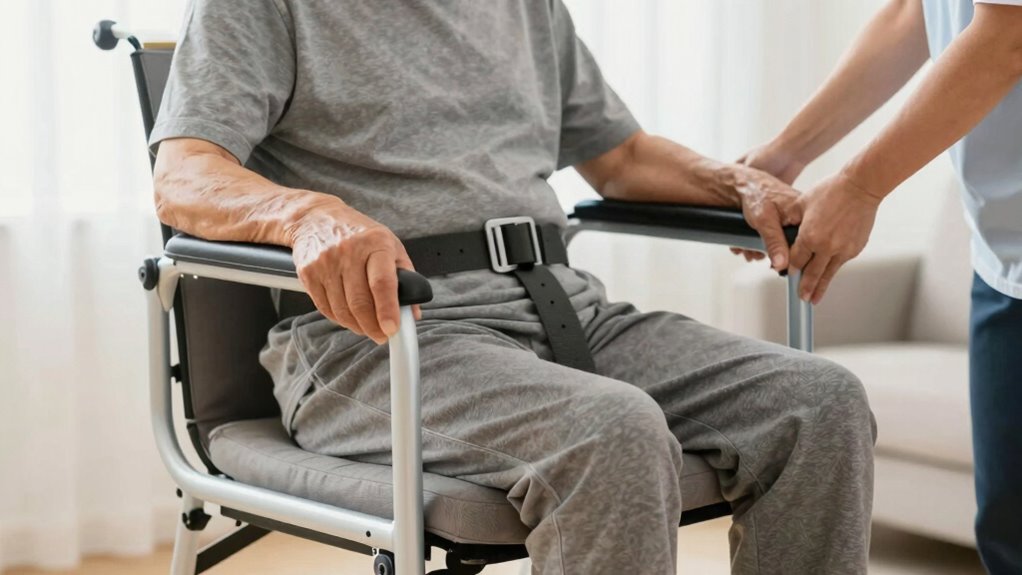
Certain signs indicate that a full-body lift is the safer choice, especially when patient safety is at risk. If the patient has limited mobility, unstable balance, or a high risk of falling, a full-body lift provides more support and reduces injury potential. Additionally, if the patient cannot assist with parts of the transfer, advanced equipment designed for full-body lifts ensures a safer, smoother process. Caregiver training is essential—if staff aren’t properly trained in using this equipment, risks increase. When a patient’s condition is unpredictable or requires more secure handling, opting for a full-body lift minimizes accidents and injuries. Recognizing these signs helps you make the safest choice, prioritizing both patient dignity and caregiver safety. Using electric power in lift equipment can further enhance safety and efficiency during transfers.
When and Why to Use a Sit‑to‑Stand Lift in Care Settings
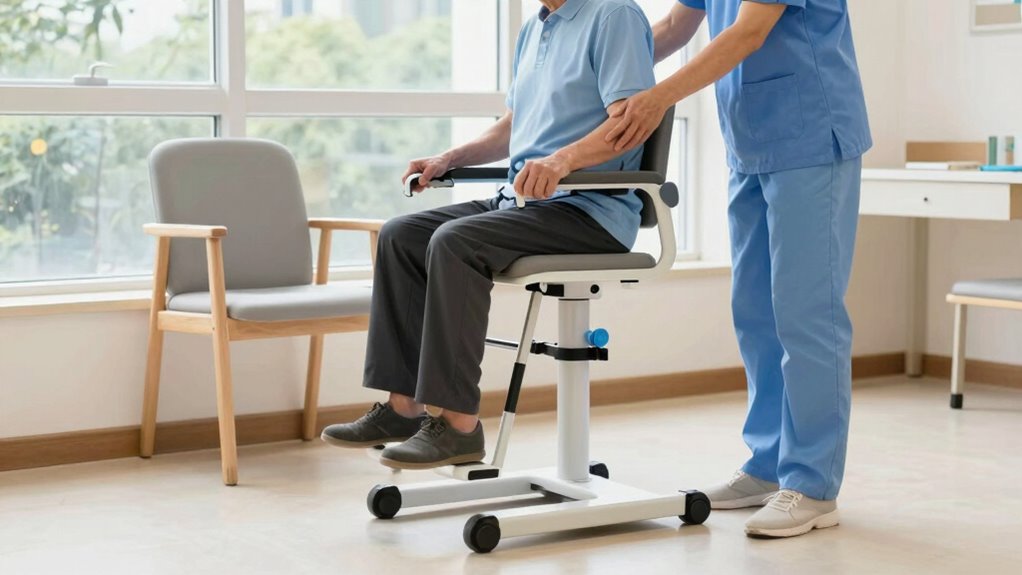
A sit‑to‑stand lift is an essential tool when a patient has enough upper body strength to assist with part of the transfer but still needs support to stand safely. You should consider using this lift when promoting patient independence is a priority, as it encourages active participation in transfers. It’s also ideal when you want to improve transfer efficiency, reducing the time and effort required for safe movement. This lift is especially effective for patients who can partially bear weight but lack the strength or balance for a full transfer. Using a sit‑to‑stand lift helps maintain dignity, minimizes caregiver strain, and ensures safety during mobility tasks. Additionally, understanding the principles of Free Floating can aid in designing adaptable and supportive care environments. When these conditions apply, a sit‑to‑stand lift is often the best choice for smooth, secure transfers.
Pros and Cons of Sit‑to‑Stand Lifts for Patient Transfers

Sit‑to‑stand lifts can make transfers easier and safer, but they also come with some challenges. You’ll want to contemplate how simple they are to operate, as well as potential safety concerns. Additionally, they may not be suitable for patients with severe mobility limitations, which could affect their effectiveness.
Ease of Use
While sit-to-stand lifts offer many advantages, their ease of use can vary depending on your condition and the caregiver’s experience. An ergonomic design helps make the lift more manageable, reducing strain on both you and the caregiver. When it’s well-designed, it supports your body naturally, improving patient comfort during transfers. However, some models can be tricky to operate if you’re unfamiliar with the controls or if your mobility issues are complex. Proper training is essential to maximize ease of use and guarantee smooth transfers. If the lift isn’t intuitive or comfortable, it can cause frustration or even compromise safety. Overall, when a sit-to-stand lift is ergonomically optimized, it simplifies the process and enhances comfort, but user experience and familiarity play vital roles. Additionally, understanding the “why” behind food can inform better choices in equipment design and usage, ultimately improving safety and efficiency. Recognizing that wave and wind conditions can affect lift stability and safety is also important for ensuring secure patient handling. Being aware of environmental considerations can help prevent damage and ensure proper maintenance of the equipment. Moreover, considering filtration and airflow systems can enhance the longevity and hygiene of the lift, contributing to safer use. Incorporating best practices for risk management can further ensure safe and reliable patient transfers.
Safety Considerations
Safety considerations are essential when using sit-to‑stand lifts, as they directly impact both patient well-being and caregiver confidence. Ensuring patient comfort is fundamental; if the lift isn’t well-padded or properly adjusted, it can cause discomfort or agitation. Additionally, equipment durability plays a critical role—sturdy, well-maintained lifts reduce the risk of mechanical failure during transfers. Regular inspections help prevent accidents caused by broken components or wear and tear. Proper training for caregivers minimizes misuse and enhances safety, while understanding the lift’s weight capacity prevents overloading. Selecting a lift with quality assurance can further reduce risks and ensure long-term reliability. While sit‑to‑stand lifts promote independence, overlooking safety can lead to injuries for both patients and staff. Balancing patient comfort with reliable equipment and proper technique is key to safe, effective transfers. Incorporating trusted brands known for market reputation and quality assurance can further enhance safety and confidence during patient transfers.
Mobility Limitations
Mobility limitations considerably influence how sit-to-stand lifts benefit or challenge patients during transfers. If your mobility is severely restricted, assistive technology like sit-to-stand lifts can reduce strain on both you and your caregiver. However, these lifts require proper caregiver training to ensure safe and effective use. Without adequate training, the risk of improper handling increases, potentially causing injury or discomfort. For some patients, limited mobility means they may not be able to assist with positioning, making the lift less effective. Conversely, if you have moderate mobility, a sit-to-stand lift can boost independence and safety. Understanding your mobility level helps determine whether this assistive technology is the right choice or if alternative transfer methods might be better suited. Proper training is essential to maximize safety and effectiveness when using these lifts. Additionally, assessing individual mobility can guide caregivers in selecting the most appropriate transfer methods to ensure safety and comfort, especially considering equipment safety features that can further prevent accidents. Recognizing the importance of professional assessment can further improve transfer success and reduce risks. Moreover, being aware of market trends and insights can help caregivers stay informed about new advancements and safety standards in mobility aids.
How to Use and Maintain Sit‑to‑Stand Lifts Safely

Using sit-to-stand lifts safely starts with understanding how to operate them correctly and perform regular maintenance. Proper user training guarantees you know how to position the patient, use the controls, and lock the lift securely. Pay attention to the ergonomic design of the lift, which helps reduce strain and improve safety for both the user and the patient. Regularly inspect the lift for signs of wear, loose parts, or malfunctions, and follow the manufacturer’s maintenance schedule. Keep the lift clean and ensure all safety features, like brakes and locking mechanisms, are functioning properly. Additionally, understanding the safety features of your lift can prevent accidents and injuries. By practicing proper operation and routine upkeep, you minimize injury risks and extend the lift’s lifespan, ensuring safe, effective transfers every time.
Tips for Caregivers: Choosing the Right Lift for Safe Transfers

When choosing a lift, start by evaluating your transfer needs to find the most suitable option. Make sure to match the lift type to the user’s mobility and environment, and always prioritize safety features like secure straps and stable bases. Taking these steps helps ensure safe, effective transfers for both you and the person you’re caring for.
Assess Transfer Needs
How do you determine which lift is best for a safe and effective transfer? Start by evaluating the patient’s specific needs, including their mobility, weight, and medical conditions. Consider patient comfort to prevent discomfort or injury. Also, evaluate your own training and confidence with different lifts. Use this table to compare options:
| Lift Type | Patient Needs | Caregiver Training Required |
|---|---|---|
| Sit-to-Stand Lift | Partial weight-bearing, comfortable for patient | Moderate |
| Full-Body Lift | Limited mobility, high support needed | Extensive |
| Stand Pivot Lift | Some mobility, quick transfers | Basic |
Matching the right lift ensures safer, more comfortable transfers for both of you.
Match Lift Type
Choosing the right lift for a safe transfer begins with understanding the patient’s specific needs and your own comfort level. If a patient has partial independence, a sit-to-stand lift might be best, supporting their effort while promoting mobility. For those with limited or no independence, full-body lifts provide maximum support. Your comfort and familiarity with the equipment are also vital; proper caregiver training guarantees safe, effective transfers. Matching the lift type to the patient’s abilities helps maintain their dignity and encourages independence where possible. Remember, the goal is to select equipment that minimizes strain on both you and the patient while guaranteeing safety. By evaluating these factors carefully, you’ll choose a lift that promotes confidence and smooth, secure transfers every time.
Prioritize Safety Features
Prioritizing safety features is essential to guarantee secure and reliable transfers. You want to make certain patient comfort and minimize injury risks for both the patient and caregiver. Look for lifts with sturdy, non-slip bases to prevent falls. Features like adjustable height settings and secure harnesses enhance safety and comfort. Additionally, verify the lift includes clear instructions and is easy to operate, which supports effective caregiver training.
Consider these key safety features:
- Non-slip, stable base and secure straps for patient safety.
- Easy-to-use controls with emergency stop functions.
- Clear, thorough instructions for proper use and caregiver training.
Focusing on these elements helps you make the best choice, ensuring safer transfers and peace of mind.
Frequently Asked Questions
What Are the Cost Differences Between Sit-To-Stand and Full-Body Lifts?
The cost comparison shows that sit-to-stand lifts are generally less expensive than full-body lifts, mainly due to lower equipment expenses. Sit-to-stand lifts cost less upfront and often have simpler designs, making them more all-inclusive. Full-body lifts tend to be pricier because of their advanced features and larger size. If you’re budget-conscious, a sit-to-stand lift is a cost-effective choice, but consider full-body lifts for more extensive support when needed.
How Long Does It Take to Train Staff on Proper Lift Usage?
You can typically expect staff training on proper lift usage to take about a few hours to a day, depending on their experience. During this time, you’ll focus on building lift proficiency, ensuring everyone understands safety protocols and correct techniques. Ongoing practice reinforces skills, so regular refresher sessions help maintain competence. Prioritizing thorough training reduces injury risk and improves patient comfort during transfers.
Can Sit-To-Stand Lifts Be Used Outdoors or in Limited Space?
You can use sit-to-stand lifts outdoors and in limited spaces, but you need to prioritize outdoor safety and navigate limited space challenges. Picture maneuvering the lift on uneven ground or tight corners—careful planning guarantees stability and safety. Choose models designed for portability and compactness, and always assess the environment beforehand. With proper precautions, these lifts can effectively assist in outdoor or cramped settings, making transfers safer for everyone involved.
Are There Specific Brands or Models Recommended for Different Needs?
You should consider brand comparisons and model features when choosing sit-to-stand lifts. For example, some brands excel in portability, making them ideal for outdoor or limited space use, while others focus on weight capacity and ease of transfer. Look for models with adjustable height, secure harnesses, and battery life. Research reviews and consult suppliers to find the best fit for your specific needs, ensuring safety and comfort.
How Do Patient Preferences Influence Lift Choice Decisions?
Imagine guiding your patient gently, their face showing comfort and confidence. Their preferences for independence and comfort directly shape your lift choice, ensuring they feel safe and respected. You’ll prioritize options that foster their autonomy, whether a sit‑to‑stand lift for ease or full-body lifts for more support. Listening carefully to their preferences helps you select the most suitable lift, making the transfer smooth, reassuring, and tailored to their individual needs.
Conclusion
Choosing the right lift isn’t just important—it’s your secret weapon to prevent injuries, save time, and keep your patients safe and comfortable like royalty. Whether you opt for a sit-to-stand or full-body lift, making the right choice can turn a stressful transfer into a smooth, effortless glide. So, trust your judgment, stay vigilant, and remember: the safety of your patients depends on your wise decision—because you’re the hero of every transfer!