
In later life, paying attention to comfort details like adaptive clothing with easy fastenings, breathable fabrics, and stretchy materials helps you dress independently and comfortably. Ergonomic footwear with good support and non-slip soles keeps you stable and prevents falls. Using ergonomic furniture and simple modifications at home reduces strain and improves posture. Listening to your body helps you prioritize comfort, style, and safety. Keep exploring how these details can enhance your daily life and well-being.
Key Takeaways
- Easy-to-manipulate fastenings in clothing reduce frustration and support independent dressing.
- Supportive, ergonomic footwear enhances stability and prevents falls during daily activities.
- Breathable, soft fabrics in clothing prevent irritation and promote comfort.
- Ergonomic furniture and environmental modifications improve posture and reduce discomfort.
- Prioritizing comfort and style helps maintain confidence and promotes active, independent living.

As you age, paying attention to comfort becomes increasingly vital for maintaining your quality of life. Small details can have a big impact on how you feel throughout the day, influencing your mobility, independence, and overall well-being. One of the most noticeable shifts as you get older is the need for clothing that adapts to changing bodies and sensitivities. Adaptive clothing is designed specifically with comfort and ease of use in mind. It features easy-to-manipulate fastenings, stretchable fabrics, and thoughtful designs that eliminate the struggle of buttons or zippers. This type of clothing helps you dress more independently, reduces frustration, and guarantees you stay comfortable without sacrificing style. Choosing garments made from breathable, soft materials also prevents irritation and keeps you feeling fresh longer.
Along with clothing, footwear plays a vital role in your daily comfort. Ergonomic footwear becomes especially important as joint pain, balance issues, and foot conditions become more common. Shoes with good arch support, cushioned insoles, and non-slip soles can greatly improve your stability and reduce discomfort. When your footwear is designed with ergonomics in mind, it helps distribute pressure evenly across your feet and minimizes fatigue. Comfort in footwear isn’t just about feeling good; it’s about preventing falls and injuries, which can be more serious as you age. Investing in well-fitted, supportive shoes tailored to your foot’s needs makes a noticeable difference in your daily activity levels and overall safety. Additionally, understanding the importance of biodiversity can lead to more sustainable choices in the products we use daily, including footwear and clothing. This awareness can influence the selection of eco-friendly materials that support both comfort and environmental health, making it easier to choose products that align with your values.
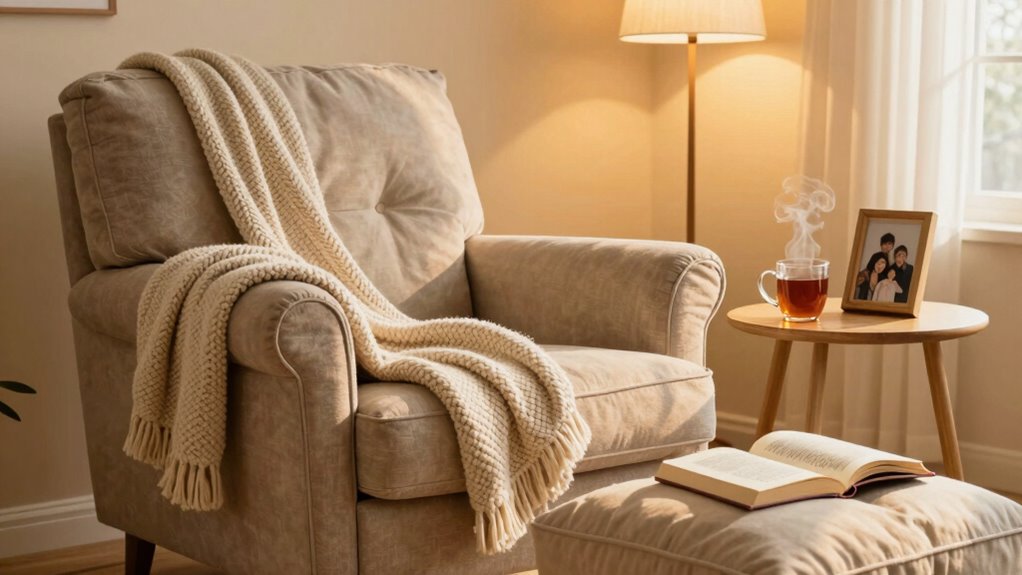
In addition to clothing and footwear, paying attention to the details of your environment can boost your comfort. Ergonomic furniture, like supportive chairs with adjustable height and lumbar support, helps reduce back pain and promotes good posture during long periods of sitting. Simple adjustments, such as using cushioned grips on utensils or larger handles on household items, can make everyday tasks easier and less taxing. These small modifications demonstrate that comfort isn’t just about physical items but also about creating an environment that supports your mobility and independence. Incorporating ergonomic design principles into your living space can significantly enhance your overall well-being as you age. Being aware of ergonomic principles can help you optimize your home for safety and comfort, encouraging more active and independent living. Furthermore, selecting ergonomic products that are tailored to your specific needs can prevent discomfort and promote better posture, especially during activities that require prolonged sitting or repetitive motions.
Ultimately, the key is listening to your body and recognizing what feels right. As you age, embracing adaptive clothing and ergonomic footwear isn’t about sacrificing style — it’s about enhancing your daily life, maintaining your independence, and feeling good in your own skin. Paying attention to these comfort details guarantees you stay active, confident, and comfortable, no matter your age.
adaptive clothing with easy fastenings
As an affiliate, we earn on qualifying purchases.
As an affiliate, we earn on qualifying purchases.
Frequently Asked Questions
How Can I Improve My Home’s Safety for Aging in Place?
To improve your home’s safety for aging in place, focus on home security and fall prevention. Install sturdy handrails in bathrooms and along stairways, and add non-slip mats to prevent falls. Guarantee good lighting throughout your home, especially in hallways and entryways. Secure loose rugs and clear clutter to avoid tripping hazards. Additionally, consider smart security systems to monitor your safety, providing peace of mind as you age comfortably at home.
What Are the Best Clothing Options for Comfort in Old Age?
A stitch in time saves nine, so choose clothing that prioritizes comfort. You should opt for adaptive footwear that provides support and easy on-and-off features, and loose-fitting clothing that doesn’t restrict movement. These choices help prevent falls and discomfort, making daily activities safer and more enjoyable. Focus on soft fabrics and easy closures to maximize comfort, ensuring you stay relaxed and confident as you age comfortably at home.
How Do I Choose the Right Mattress for Senior Comfort?
To choose the right mattress for senior comfort, focus on mattress firmness and pressure relief. Opt for a medium to soft mattress that offers gentle support without causing soreness. Look for features like memory foam or latex, which conform to your body and reduce pressure points. Make certain the mattress provides enough support for spinal alignment, making it easier to get in and out of bed and promoting restful sleep.
What Are Some Easy Ways to Reduce Daily Stress for Seniors?
Research suggests mindfulness exercises and gentle stretching can markedly reduce daily stress for seniors. You might start with simple deep-breathing routines or mindful walking, focusing on the present moment. Incorporate gentle stretches into your daily routine to release tension and improve circulation. These easy practices can help you feel calmer, more centered, and improve overall well-being, making each day more manageable and enjoyable.
How Can I Ensure Proper Lighting for Better Vision in Later Years?
You can guarantee proper lighting by upgrading to modern lighting technology, which provides brighter, more natural illumination. Use adjustable lamps and bright, focused task lighting in key areas like the kitchen and reading spots. Incorporate vision aids such as magnifying glasses or large-print reading materials to reduce strain. Regularly check and replace bulbs to maintain consistent brightness, and position lights to minimize shadows, helping you see clearly and comfortably as you age.
Conclusion
As you prioritize these comfort details, remember that caring for yourself now guarantees a smoother journey ahead—like a trusty steed ready for a long ride. Whether it’s the right chair or cozy clothing, these small choices make a world of difference. Don’t wait until you’re in a pickle; instead, lay a solid foundation today. After all, no one wants to end up singing the blues, wishing they’d made comfort a priority from the get-go.