To reduce daily stress, focus on improving your home’s lighting and organization. Maximize natural light during the day and use soft, warm lighting in the evening to create a calming atmosphere. Keep your space tidy by regularly decluttering and organizing items into designated spots. These changes make movement safer, improve mood, and promote a sense of control. If you want to discover more simple adjustments to make your home more relaxing, keep exploring.
Key Takeaways
- Maximize natural light during the day to improve mood and regulate sleep-wake cycles.
- Use layered, soft lighting in the evening to create a calming environment.
- Regularly declutter and organize to reduce chaos and mental stress.
- Ensure proper lighting and organization to enhance safety and ease of movement.
- Create a tidy, well-lit space to promote relaxation, confidence, and overall well-being.
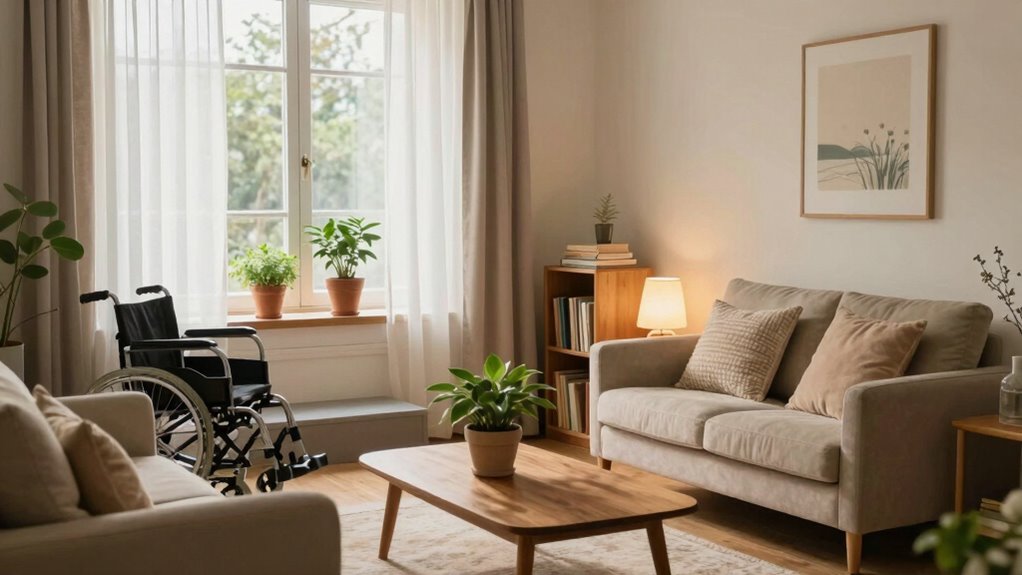
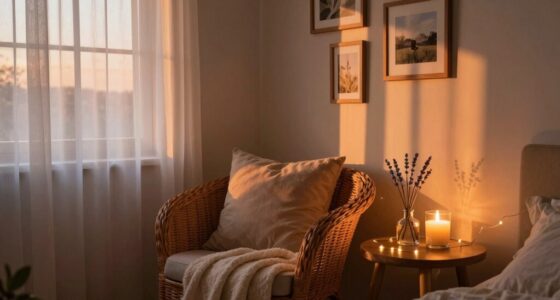
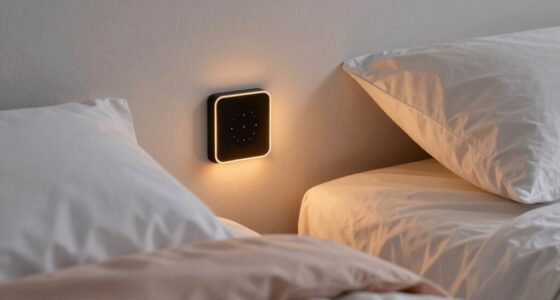
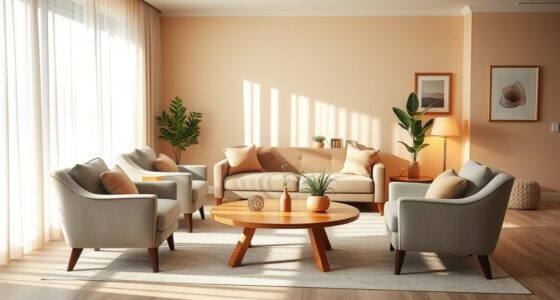
A well-designed home environment can considerably reduce stress for older adults, enhancing their overall well-being and quality of life. One of the simplest yet most effective ways to achieve this is by optimizing indoor lighting. Good lighting can make your living space safer and more comfortable, reducing the risk of falls and accidents. Bright, natural light helps regulate your sleep-wake cycle, which is essential for maintaining energy and mood. During the day, open up curtains and blinds to let in as much sunlight as possible. In the evenings, switch to warm, soft lighting to create a calming atmosphere. Avoid harsh, fluorescent lights, which can cause eye strain and headaches. Instead, opt for layered lighting—use a combination of ceiling fixtures, table lamps, and task lighting to guarantee every area is well-lit but not overly bright. Proper indoor lighting can also help you feel more alert when you need to focus, and more relaxed when it’s time to wind down. Incorporating adequate lighting solutions can further enhance safety and comfort in your home. Additionally, ensuring that your lighting is energy-efficient can help reduce electrical costs and support environmentally friendly practices. Paying attention to lighting placement can also minimize shadows and glare, making the environment safer and more visually comfortable.
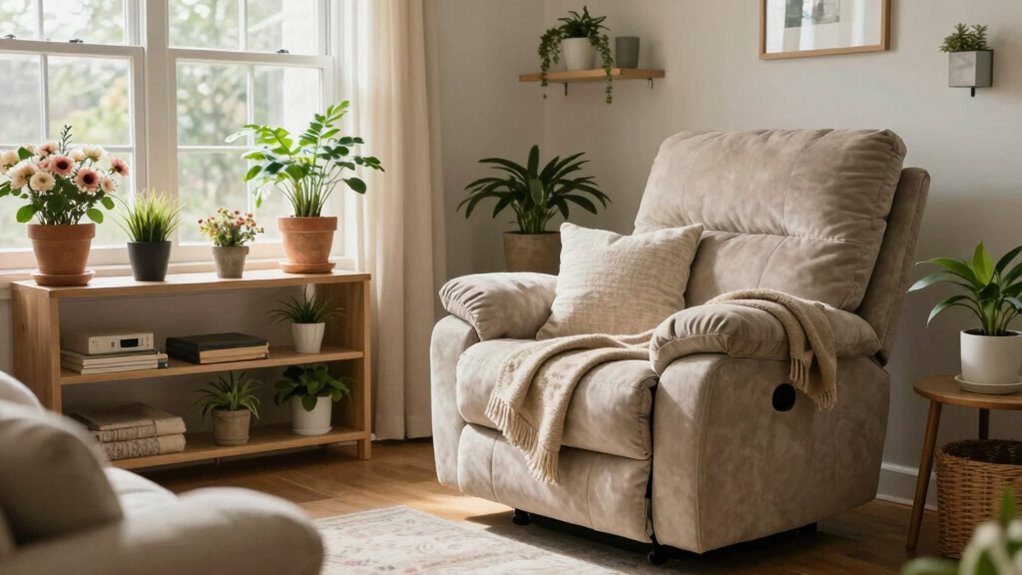
Clutter management plays a key role in reducing daily stress. A cluttered environment can feel overwhelming, making it harder to find what you need and increasing feelings of chaos. You can start by decluttering regularly, keeping only the items that are necessary or bring you joy. Designate specific storage spaces for different items, so everything has a place. Use simple organization tools like baskets, bins, and shelves to keep things tidy and easily accessible. When your space is organized, you’ll spend less time searching for things, which reduces frustration and saves time. Decluttering also creates a sense of calm and control, helping you feel more relaxed in your surroundings. Make it a routine to tidy up daily, tidying away items after use, and periodically reassessing your belongings to eliminate what’s no longer needed. These small habits can greatly lessen the mental load, making your environment more peaceful and manageable.
Together, effective indoor lighting and clutter management create a home that promotes comfort and tranquility. Well-lit spaces that are free of clutter allow you to move freely and confidently, decreasing the risks of injury and the mental stress associated with disorder. When your environment feels organized and inviting, you’re more likely to enjoy your daily routines and engage in activities that bring you happiness. Small changes in how you manage your space can lead to meaningful improvements in your overall mood and stress levels. Creating a home that’s both bright and tidy isn’t just about aesthetics; it’s about making your daily life safer, easier, and more joyful.
natural light window curtains for living room
As an affiliate, we earn on qualifying purchases.
As an affiliate, we earn on qualifying purchases.
Frequently Asked Questions
How Can Technology Improve Home Safety for Older Adults?
Technology can substantially improve home safety for older adults by using smart sensors and voice assistants. Smart sensors detect falls, fires, or gas leaks instantly, alerting both the individual and emergency services. Voice assistants enable easy communication, reminders for medication, or emergency calls without needing to move around. These tools create a safer, more independent environment, reducing stress and giving peace of mind to both seniors and their loved ones.
What Are Cost-Effective Modifications for Aging-In-Place?
Imagine turning your home into a sturdy, welcoming bridge across life’s changing waters. You can achieve this with affordable upgrades like grab bars, slip-resistant mats, and improved lighting. DIY modifications, such as installing lever handles or rearranging furniture for easier navigation, make a big difference. These cost-effective changes enhance safety and independence, allowing you to age comfortably in place without breaking the bank.
How Does Lighting Impact Stress Levels in Older Adults?
Lighting design plays a essential role in stress reduction for older adults. Properly designed lighting minimizes glare and shadows, creating a calming environment that reduces eye strain and anxiety. Bright, natural light during the day helps regulate sleep patterns and boosts mood. By adjusting lighting levels and using warm tones, you can make your home more comfortable, ultimately lowering stress and promoting relaxation in daily life.
Are There Specific Home Layouts That Reduce Falls and Anxiety?
Think of your home as a well-orchestrated symphony, where furniture arrangement and clutter reduction create harmony. You should position furniture to allow clear, wide pathways, minimizing fall risks. Keep clutter out of walkways to prevent tripping, and choose furniture with stable bases. By designing your space with safety and ease of movement in mind, you reduce anxiety and falls, making your home a secure haven for everyday living.
How Can Pets Influence Stress Reduction at Home?
Pet companionship can markedly reduce stress by providing emotional comfort and a sense of companionship. As you interact with your pet, your body releases oxytocin, which helps lower anxiety levels. Pets also encourage routine and activity, which can improve your mood. Their presence offers a calming influence, making your home feel more secure and less lonely. Overall, pets are a simple but powerful way to enhance emotional well-being at home.
Conclusion
Imagine transforming your home into a sanctuary that effortlessly eases daily stress. Small changes can create a calmer, more comfortable space that supports your well-being. But what if the secret to truly reducing your stress lies just beyond what you see? Stay tuned—because the next step in making your home a haven might surprise you. Don’t miss out on discovering how simple shifts can make a world of difference in your daily life.