Your flooring feels warm even before adding rugs because of insulation layers beneath the surface, which trap heat and prevent cold from seeping through. For materials, hardwood, cork, and laminate hold heat longer and feel warmer underfoot compared to tile or stone. Proper construction and additional insulation improve overall warmth, while advanced installation techniques ensure maximum efficiency. Keep exploring to discover how heating systems and flooring choices can make your space even cozier.

Get furniture and decor delivered free — and shop member deals
- Fast, free delivery on millions of items
- Access to Prime Big Deal Days deals on October 6–7
- Prime Video, Amazon Music and more included
Key Takeaways
- Insulation layers beneath the surface trap heat and prevent cold transfer, creating a warmer feel.
- Warm-toned flooring materials like hardwood, cork, and laminate hold heat longer and feel cozier.
- Proper construction with multiple layers and insulated underlayment enhances overall thermal comfort.
- Advanced insulation materials and techniques improve heat retention and stability of the flooring.
- Embedded radiant heating systems evenly distribute warmth, making floors feel warmer before adding rugs.

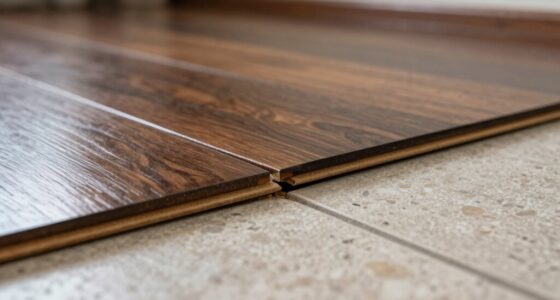
Have you ever stepped onto a floor that immediately felt warm and inviting, even before adding any rugs? That cozy sensation isn’t just a coincidence; it’s often the result of smart choices in flooring materials and the way they’re constructed. One key factor is the presence of insulation layers beneath the surface. These layers act as barriers, trapping heat close to the floor and preventing cold from seeping through. When your home’s flooring incorporates effective insulation, it creates a natural warmth that you can feel the moment you step inside. Without proper insulation, even the most beautiful or high-quality flooring can feel cold and unwelcoming. Additionally, thermal properties of the materials used also greatly influence how warm your floors feel underfoot. Your choice of flooring materials plays a vital role in how warm your floors feel. Materials like hardwood, cork, and laminate tend to be warmer underfoot than tile or stone. This is because their thermal properties allow them to hold heat longer and transfer less cold from the ground. Hardwood, in particular, is a popular option because it provides a natural warmth that’s both visually appealing and physically comforting. Conversely, tile and stone are excellent at resisting heat but tend to feel colder unless paired with additional insulation or underfloor heating systems. These materials also influence how heat moves through your space, so selecting the right type can make a noticeable difference. The construction of your flooring system is equally important. Many modern floors are designed with multiple layers, including an insulation layer that adds to the overall warmth. Underlayment, for example, often contains foam or felt that insulates against cold floors. When installed properly, these layers help reduce heat loss and create a warmer surface. Proper installation techniques can maximize the effectiveness of insulation and improve thermal comfort. Using innovative flooring systems can further enhance the warmth and energy efficiency of your home. Incorporating advanced insulation techniques can significantly improve the overall thermal performance of your flooring. For example, insulation materials specifically designed for flooring applications can boost the effectiveness of the entire system. If you’re considering a renovation or new flooring, ask about these layers and how they contribute to thermal comfort. Installing radiant floor heating—embedded beneath the surface—can also dramatically boost warmth, especially in colder climates. This system uses warm water or electric heating elements to evenly distribute heat across the floor, making it feel cozy even without rugs. In the end, it’s the combination of insulation layers, thoughtful flooring material choices, and modern construction techniques that make your floors feel warm before you even think about adding rugs. By paying attention to these elements, you can turn any room into a welcoming, comfortable space that invites you to kick off your shoes and relax.
As an affiliate, we earn on qualifying purchases.
Frequently Asked Questions
Which Flooring Materials Retain Heat Best Naturally?
You’ll find that cork, carpet, and concrete retain heat best naturally, enhancing pedestrian comfort even before adding rugs. These materials have low thermal conductivity, meaning they don’t quickly transfer heat away, keeping your space warmer. Cork and thick carpets trap warmth effectively, while concrete retains heat from the environment over time. Choosing these materials can make your flooring feel warmer and cozier without extra insulation, especially in colder climates.
How Does Insulation Impact Flooring Warmth?
Insulation plays a vital role in flooring warmth by reducing heat transfer. Did you know that materials with low thermal conductivity, like foam or cork, can trap heat effectively? Insulation barriers prevent cold air from seeping through, keeping your floors warmer naturally. This means your space feels cozier without extra layers, as the insulation minimizes heat loss, making your flooring feel warm even before you add rugs.
Can Flooring Color Influence Perceived Warmth?
Yes, flooring color influences perceived warmth through color psychology and visual perception. Warm-toned colors like browns, reds, and beiges evoke feelings of coziness and comfort, making your space seem warmer. Cool colors like blues and grays can feel more distant and less inviting. By choosing warm hues, you enhance the room’s overall warmth perception, even before adding rugs or other warm elements, creating a cozy atmosphere effortlessly.
Do Underfloor Heating Systems Affect Initial Warmth?
Imagine stepping onto a sunlit path—your flooring’s initial warmth is like that gentle glow, thanks to underfloor heating systems. Yes, they considerably boost thermal comfort and heat retention from the moment you walk in. These systems efficiently radiate warmth, creating a cozy atmosphere before you even add rugs. Your feet enjoy a soft, warm embrace, making your space feel inviting and comfortable instantly.
How Does Room Size Affect Perceived Floor Temperature?
Room size impacts how warm your flooring feels because larger spaces often have more ambient humidity, which can influence thermal conductivity. In bigger rooms, the floor may feel cooler initially since heat dissipates more quickly across a larger area. Conversely, smaller rooms tend to retain warmth better, making floors feel warmer sooner. Adjusting humidity levels and choosing flooring with good thermal conductivity can help maintain a cozy feel, regardless of room size.
Conclusion
Remember, first impressions matter, and that includes your flooring’s warmth. Choosing the right materials, colors, and textures can create an inviting, cozy space even before you add rugs. Don’t overlook small details—they make a big difference. As the saying goes, “A warm home is built on small comforts.” By paying attention to these elements, you’ll craft a welcoming environment that feels just as comforting as it looks.
Fall Picks
fall essentials
As an affiliate, we earn on qualifying purchases.