
When choosing between SPC and laminate, focus on durability, moisture resistance, and how well each handles environmental factors, not just marketing claims. SPC’s rigid core offers better impact and water resistance, making it ideal for high-moisture areas. Laminate can look great but may warp or fade over time, especially with water or heavy impacts. To guarantee your flooring lasts, understanding these real-world qualities is essential—keep exploring for more insights on making the best choice.
Key Takeaways
- Prioritize durability and moisture resistance for long-term performance over marketing claims.
- Consider environmental factors and how each flooring responds to moisture, temperature, and impact.
- Evaluate aesthetic needs and how realistically each option mimics natural materials.
- Assess installation, maintenance, and lifespan to determine practical suitability.
- Focus on material composition and manufacturing quality rather than branding or surface appearances.
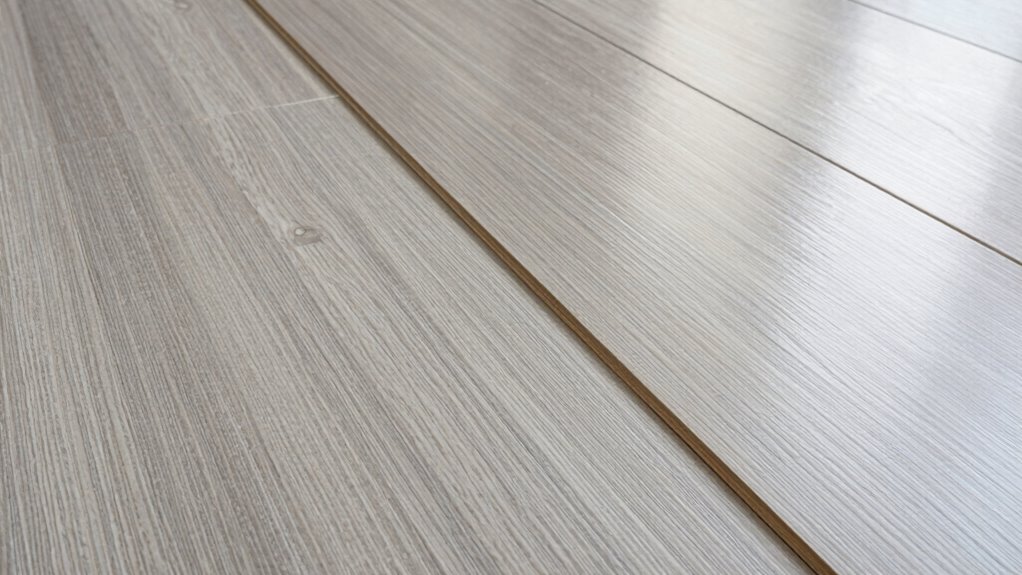
When choosing flooring options, SPC (Stone Plastic Composite) and laminate often come up as popular contenders, each offering distinct advantages. You might be tempted to rely on marketing claims, but understanding what truly matters can help you make a smarter decision. One of the first things to evaluate is durability comparison. SPC flooring is known for its impressive resilience. Its rigid core makes it resistant to dents, scratches, and impacts, which is ideal if you have kids or pets. It also handles moisture and spills better than laminate, making it a practical choice for kitchens, bathrooms, or basements. Laminate, on the other hand, offers decent durability but can be more susceptible to water damage if the surface isn’t properly sealed. While it resists scratches and wear well in low to moderate traffic areas, heavy impacts or moisture exposure can cause it to warp or swell, which means you may need to replace sections sooner. Additionally, material composition plays a crucial role in how each flooring performs over time, influencing factors such as longevity and maintenance requirements. Recognizing the material differences can help you better understand the long-term performance of each flooring type. It’s also helpful to consider how these materials respond to environmental factors, which can further impact their overall durability.
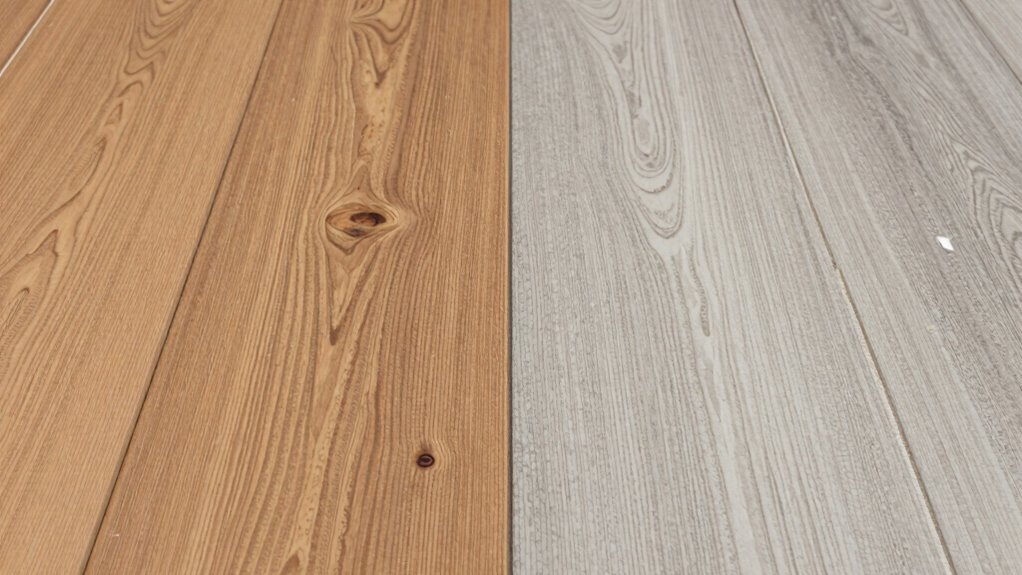
Aesthetic versatility is another key factor. Laminate flooring has historically been celebrated for its wide range of designs that mimic wood, stone, or tile. It can give you a high-end look at a lower cost and is easy to install, making it a popular choice for DIYers. However, laminate’s surface layer isn’t as durable or realistic as some might think; over time, it can fade or become scratched, diminishing its visual appeal. SPC flooring also offers impressive aesthetic versatility today. Thanks to advanced printing technology, SPC can mimic natural materials convincingly, with realistic textures and patterns. Additionally, its rigid core allows for a seamless, uniform look across large areas. While it might not match the intricate details of some high-end laminates, SPC delivers a clean, modern appearance that can suit various design styles. Exploring manufacturing techniques can reveal how these visual qualities are achieved and their impact on the flooring’s durability. It’s also worth noting that ongoing innovations in manufacturing continue to enhance both the realism and longevity of these flooring options. When considering aesthetic options, it’s important to evaluate how well each material can adapt to your specific interior design goals.
Ultimately, what matters more than the marketing is how these qualities align with your lifestyle and aesthetic preferences. If you prioritize durability and moisture resistance, SPC stands out as the more practical choice. But if you’re after a wide range of stylish options and easier DIY installation, laminate could be appealing. Both flooring types have their strengths, but understanding their real-world performance—especially in terms of durability comparison and aesthetic versatility—will help you pick the right option. Don’t just go by glossy ads; assess your needs, evaluate the environment where the flooring will go, and choose what will serve you best in the long run.

Art3d Wood Textured Click-Lock SPC Floor Tiles 24-Pack, 24×6 Inch Vinyl Floor Planks– Waterproof Flooring for Living Room, Kitchen, Basement, Ideal for New Home Buyers & Future Movers, Teak
- Scratch-resistant surface: Resists wear from pets and kids
- Waterproof design: Ideal for kitchens and humid areas
- Easy installation: Tool-free click-lock system
As an affiliate, we earn on qualifying purchases.
As an affiliate, we earn on qualifying purchases.
Frequently Asked Questions
How Do SPC and Laminate Compare in Terms of Environmental Impact?
SPC flooring generally has a lower environmental impact than laminate because it often uses eco-friendly materials and emits fewer VOCs. Its manufacturing process results in a smaller carbon footprint, making it a better choice if you’re eco-conscious. Laminate, on the other hand, may contain more chemicals and synthetic layers, which can increase its environmental impact. So, if reducing your carbon footprint matters to you, SPC is usually the greener option.
Which Flooring Type Offers Better Long-Term Value?
SPC flooring offers better long-term value, standing tall like a sturdy oak against wear and tear. With a favorable cost comparison, it often costs less over time due to its durability and water resistance. Plus, its aesthetic versatility means you can enjoy a stylish look that mimics real wood or stone. You’ll save money and maintain beauty longer, making SPC a smarter choice for lasting appeal and investment.
Are There Specific Subfloor Requirements for SPC and Laminate?
For SPC and laminate flooring, you need to pay attention to subfloor preparation to guarantee proper installation. Both require a flat, clean, and dry subfloor, but SPC tends to handle minor imperfections better, reducing installation challenges. However, if your subfloor has significant unevenness or moisture issues, addressing these beforehand is essential for both types. Proper prep minimizes future problems and guarantees a smooth, long-lasting finish.
How Do Maintenance and Cleaning Differ Between SPC and Laminate?
You’ll find that maintenance and cleaning differ mainly in their durability and aesthetic versatility. SPC flooring is highly durable, resisting scratches and moisture, making it easier to clean with regular sweeping and damp mopping. Laminate, while also durable, can be more susceptible to water damage, requiring gentler cleaning. Both offer excellent aesthetic versatility, but SPC’s resilience means it stays looking newer longer with less upkeep, whereas laminate may need more careful handling to maintain its appearance.
Can SPC or Laminate Be Installed in Wet or Humid Areas?
You can install SPC flooring in wet or humid areas because of its excellent water resistance, making it suitable for bathrooms or kitchens. Laminate, on the other hand, isn’t recommended for these spaces due to water damage risks. For instance, a homeowner in a humid basement chose SPC flooring for its water resistance and easier installation complexity, ensuring durability without warping or swelling in damp conditions.
Conclusion
When choosing between SPC and laminate, remember it’s like picking the right tool for your toolbox—each has its purpose. SPC offers strength and durability, standing tall like a sturdy oak in high-traffic areas. Laminate, on the other hand, mimics beauty and affordability, like a vibrant painting that brightens your space. Focus on what truly matters—your needs, lifestyle, and style—so your flooring becomes the foundation that supports your home’s story, not just a marketing pitch.