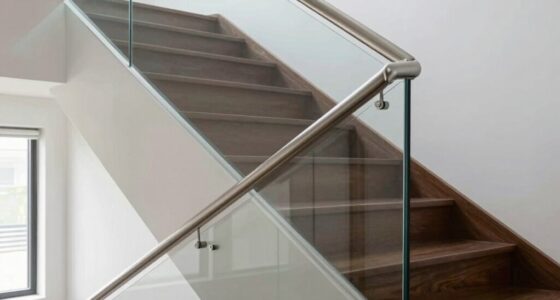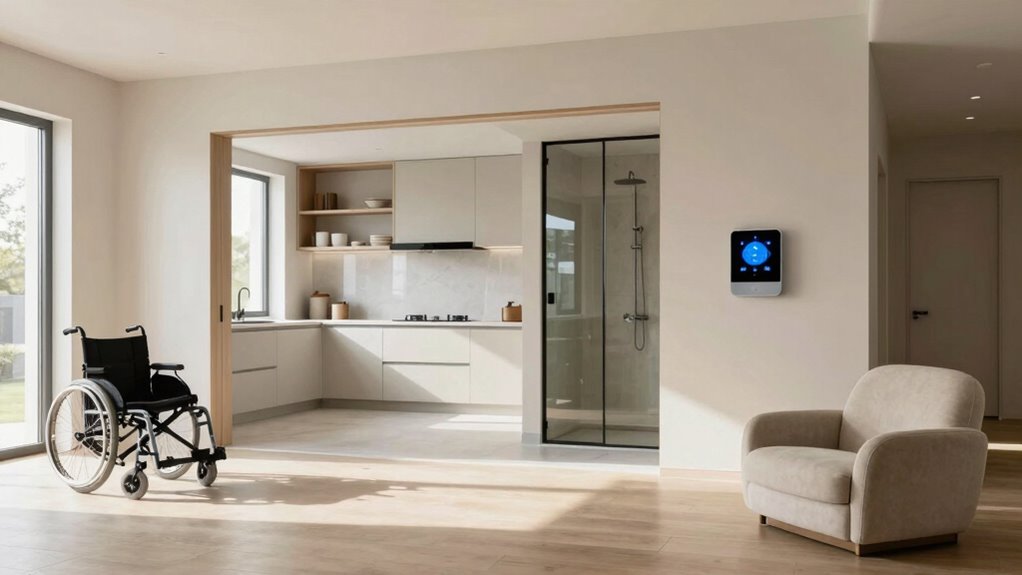

To make your home easier to live in later, consider smart technology integration like voice-activated controls, automated lighting, and smart locks for convenience and safety. Upgrade to energy-efficient windows and appliances to save on costs and improve comfort. Use sustainable materials for durability and better indoor air quality. Widen doorways and plan structural changes to enhance accessibility. Combining these updates creates an intuitive, cozy space that adapts to your needs — and there’s more to explore for a truly future-ready home.

Get furniture and decor delivered free — and shop member deals
- Fast, free delivery on millions of items
- Access to Prime Big Deal Days deals on October 6–7
- Prime Video, Amazon Music and more included
Key Takeaways
- Incorporate accessible layouts like widened doorways and low-threshold entryways for easier mobility.
- Install smart home systems for remote control and automation, reducing physical effort.
- Use sustainable, durable materials to minimize future renovations and improve indoor air quality.
- Upgrade to energy-efficient systems and appliances for consistent comfort and lower utility bills.
- Add structural modifications such as walk-in showers to enhance safety and convenience for aging-in-place.
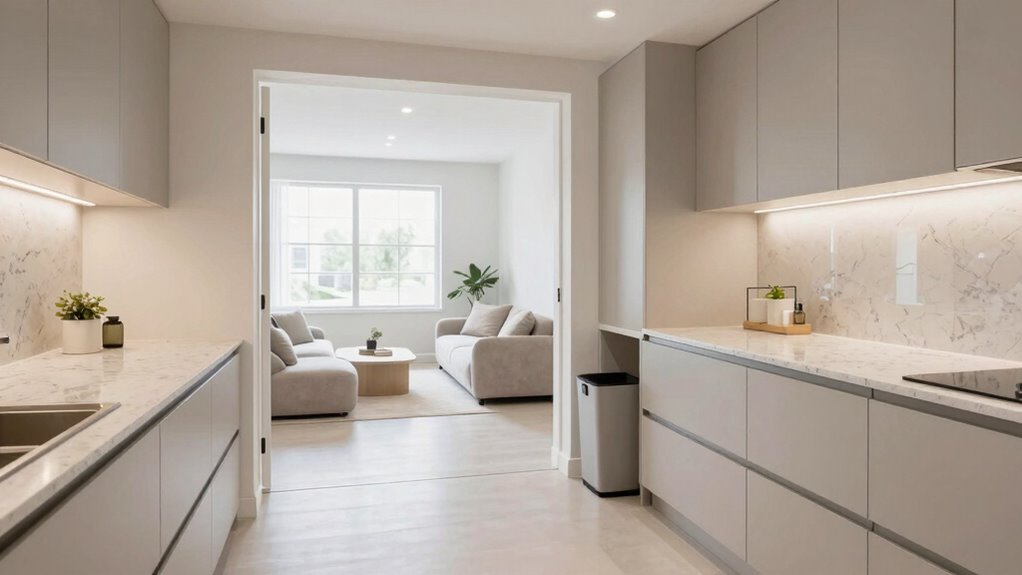
Are you tired of struggling with outdated layouts and inconvenient features in your home? If so, it’s time to consider remodeling choices that can make your living space more functional and easier to manage as you age. One of the most impactful upgrades you can make involves integrating smart technology. Modern smart home devices allow you to control lighting, thermostats, locks, and even appliances remotely through your smartphone or voice commands. This not only simplifies daily routines but also enhances safety and security. For example, automated lighting can turn off when you forget, and smart locks eliminate the need for physical keys, reducing hassle and potential security risks. These innovations create a more intuitive home environment, allowing you to adapt your living space to your needs with minimal effort.
Upgrade your home with smart technology for easier, safer, and more convenient living as you age.
Alongside smart technology, prioritizing energy efficiency during your remodel can significantly improve your quality of life while reducing costs. Upgrading to energy-efficient windows, insulation, and appliances helps maintain consistent indoor temperatures, making your home more comfortable and less demanding on your heating and cooling systems. This means you won’t have to constantly adjust thermostats or worry about drafts, which can become cumbersome over time. Additionally, installing programmable thermostats allows you to set heating and cooling schedules that match your routines, saving energy and lowering utility bills. These features are especially beneficial as mobility or health issues may limit your ability to make frequent adjustments. Incorporating energy-efficient upgrades and smart home systems can further enhance your home’s adaptability and convenience. A focus on home energy management can help you optimize resource use and reduce environmental impact, which is an added benefit. This proactive approach also aligns with current sustainability trends in home remodeling, emphasizing eco-friendly and cost-effective solutions.
Furthermore, integrating sustainable materials into your remodel not only benefits the environment but can also improve your home’s overall health and indoor air quality. This proactive approach also minimizes the need for extensive renovations down the line, saving you time and money.
When planning your remodel, think about accessible layouts that accommodate changes in mobility. Widening doorways, installing walk-in showers, and adding low-threshold entryways can make a big difference later on. These modifications don’t just prepare your home for future needs—they also make daily living easier now. Coupling these structural improvements with smart home systems creates a seamless, user-friendly environment. For instance, voice-activated lighting or automated blinds can help you operate your home effortlessly, even if your mobility becomes limited. Incorporating smart home technology into your remodel can further enhance your home’s adaptability and convenience. This proactive approach minimizes the need for extensive renovations down the line, saving you time and money.
As an affiliate, we earn on qualifying purchases.
Frequently Asked Questions
How Can I Future-Proof My Home for Aging in Place?
To future-proof your home for aging in place, you should incorporate smart technology and focus on energy efficiency. Install smart devices like voice-activated lighting, thermostats, and security systems to make everyday tasks easier. Prioritize energy-efficient windows, insulation, and appliances to reduce costs and improve comfort. These upgrades guarantee your home stays safe, comfortable, and adaptable as your needs evolve, giving you peace of mind for the future.
What Are Cost-Effective Remodeling Options for Long-Term Convenience?
Think of your home as a well-tuned instrument—small upgrades make a big difference. For cost-effective long-term convenience, consider smart technology like voice-activated lighting and thermostats, which save energy and simplify daily tasks. Energy-efficient appliances reduce bills and maintenance. These upgrades are affordable, easy to install, and increase your home’s functionality, ensuring comfort and savings for years to come.
Which Materials Are Best for Durability and Low Maintenance?
You should choose eco-friendly materials like bamboo or recycled composite for durability and low maintenance, as they resist wear and are sustainable. Pair these with modern finishes such as quartz or laminate countertops, which are easy to clean and highly durable. These choices guarantee your home stays stylish and functional over time, reducing upkeep and environmental impact, making your space more convenient and eco-conscious for the long run.
How Do I Prioritize Remodeling Projects for Aging Residents?
You should prioritize remodeling projects that enhance safety and accessibility first, like installing grab bars and ramps. Add smart technology, such as automated lighting and voice-activated controls, to improve ease of use. Then, focus on aesthetic upgrades that create a comfortable environment, like better lighting and soothing colors. This approach guarantees your aging residents feel safe, independent, and cozy while enjoying modern features that make daily living simpler.
Are There Specific Designs That Improve Safety and Accessibility?
Yes, specific designs can greatly improve safety and accessibility. You should include accessible entrances with ramps and wide doorways for easy navigation. Incorporate safety features like non-slip flooring, grab bars in bathrooms, and lever-style door handles. These modifications help prevent falls and improve mobility. Prioritizing these elements ensures your home remains safe and comfortable as you age, making daily living easier and reducing potential hazards.
Conclusion
By thoughtfully embracing these remodeling options, you’re planting seeds for a future filled with comfort and ease. While the journey may involve some gentle adjustments now, the reward is a home that warmly supports you through life’s gentle evolutions. Remember, each thoughtful change is a quiet act of love, creating a sanctuary that remains a safe haven and a source of joy for years to come. Your future self will thank you for the care you put in today.
Fall Picks
fall essentials
As an affiliate, we earn on qualifying purchases.