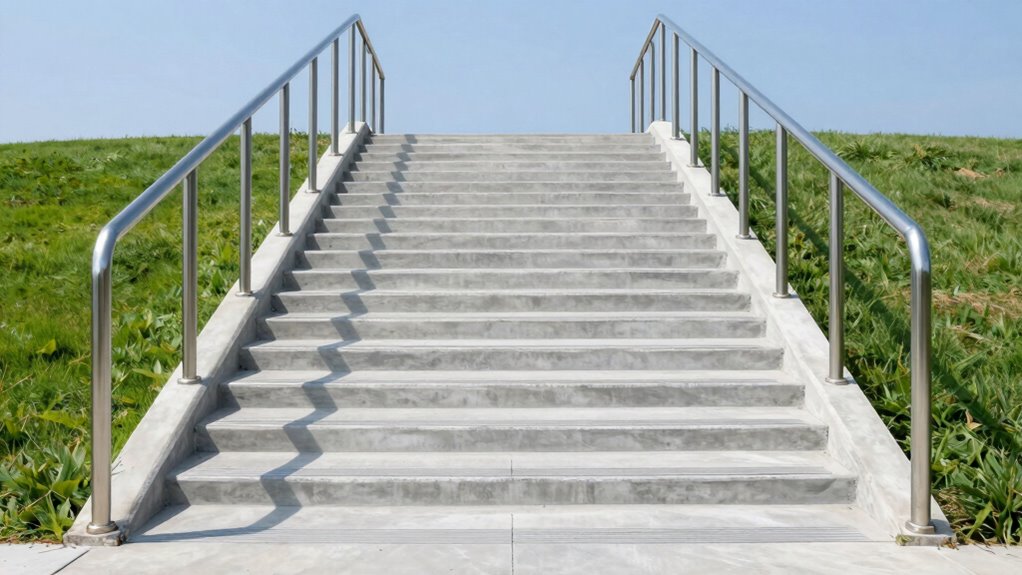

To keep everyone safe, you need to understand the proper ramp slope, which is typically a 1:12 ratio—meaning 1 inch of rise for every 12 inches of run. Use tools like a level or slope gauge to measure accurately, and follow regulations like ADA standards. Choosing the right materials and construction techniques ensures durability and slip resistance. For detailed tips on designing and building safe ramps, keep exploring this essential slope math guide.
Key Takeaways
- Use the standard slope ratio of 1:12, meaning 1 inch of rise per 12 inches of run, to ensure accessibility and safety.
- Measure the total rise accurately from ground level to the entrance before calculating the required ramp length.
- Verify the slope during construction with tools like a level or slope gauge to maintain compliance.
- Choose durable, slip-resistant materials such as concrete, treated wood, or aluminum for safety and longevity.
- Follow local building codes and ADA standards to ensure the ramp slope is safe, compliant, and accessible for all users.
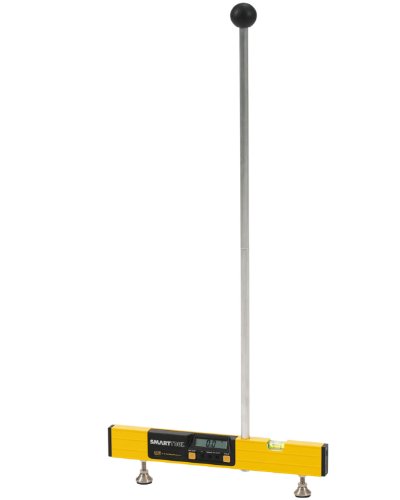
M-D Building Products 93975 Smart Tool Adam Digital Slope Walker with Carrying Case
- Measures slopes and curb heights: Measures slopes, cross slopes, sidewalks, and curb height in accessible areas
- 16-Inch SmartTool with pivoting feet: 16-inch SmartTool with two pivoting feet at 12-inch spacing
- Ergonomic design: Designed to save your back and knees
As an affiliate, we earn on qualifying purchases.
As an affiliate, we earn on qualifying purchases.
What Is Ramp Slope and Why It Matters
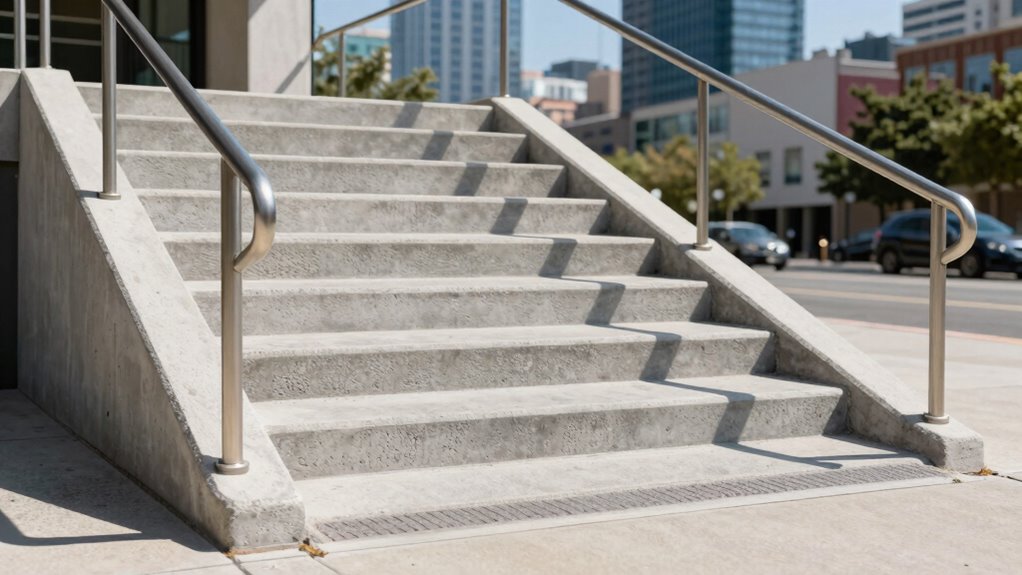
Have you ever wondered what exactly makes a ramp accessible and safe? The key is understanding ramp slope, which directly impacts usability and safety. The slope affects how easily someone can navigate the ramp, especially those using wheelchairs or walkers. It’s not just about function; ramp aesthetics also matter—design choices and materials for ramps influence how well the ramp fits into its environment. Choosing the right materials guarantees durability and slip resistance, making the ramp safer in various weather conditions. Too steep, and it becomes difficult to climb; too shallow, and it takes up unnecessary space. Knowing the proper ramp slope ensures safety and accessibility while allowing for aesthetic considerations, creating a functional, attractive addition to any building or outdoor space. Proper ramp design plays a vital role in ensuring compliance with safety standards and promoting inclusive accessibility.
How to Calculate the Correct Ramp Incline for Safety and Accessibility
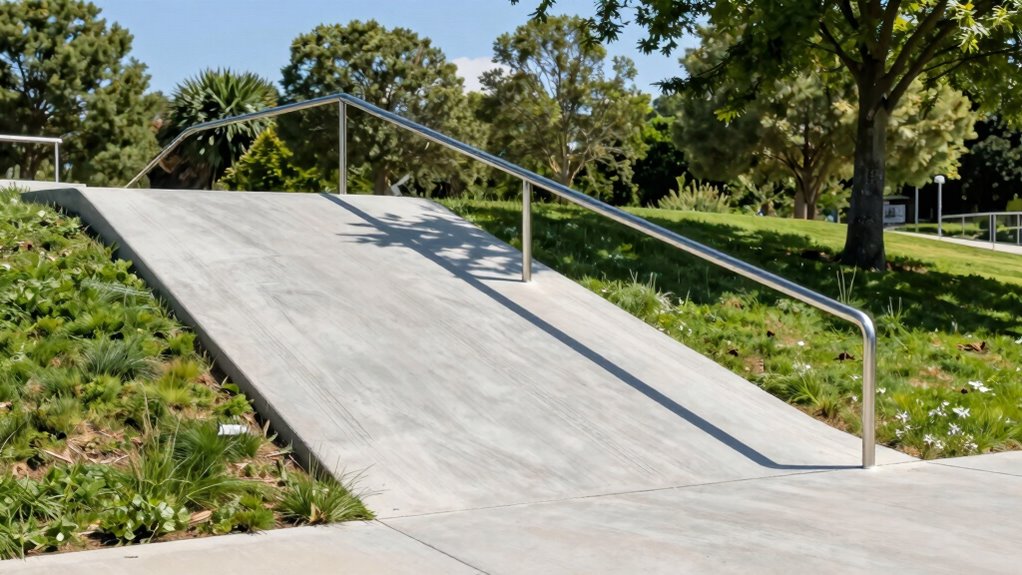
Calculating the correct ramp incline is essential for guaranteeing safety and accessibility. To do this, start by determining the rise—the total height from ground to the top of the ramp—and the run, which is the horizontal length. The standard slope ratio is often 1:12 for safety, meaning for every inch of rise, you need at least 12 inches of run. Consider your ramp material; some materials, like concrete, may require different slopes for stability. Also, think about aesthetic design—your ramp should blend seamlessly with your space without compromising safety. Measure carefully, and verify your calculations match local guidelines. Understanding slope ratios is crucial for designing a safe and functional ramp. Properly calculated inclines make your ramp usable for everyone, from wheelchairs to strollers, while maintaining visual appeal. Additionally, consulting building codes can help ensure your ramp meets all necessary safety standards. When planning your ramp, also consider proper drainage, to prevent water accumulation and ensure longevity. Incorporating safety standards into your design can further enhance the accessibility and overall safety of your ramp. Being aware of Universal Design principles can help create a more inclusive environment that accommodates all users.
Key Regulations and Standards for Ramp Slopes You Need to Know
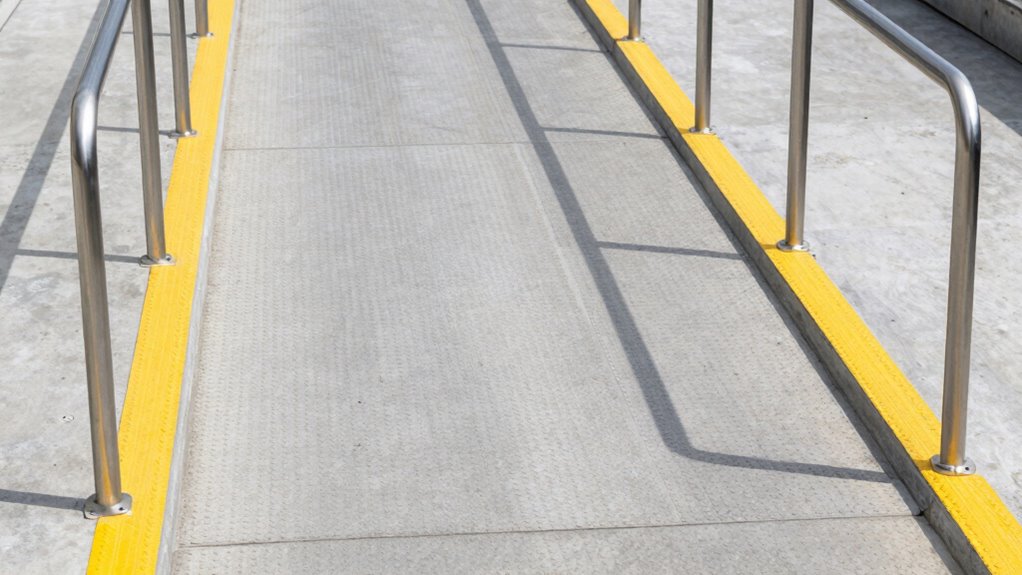
To guarantee your ramp meets legal and safety standards, you need to understand the ADA slope requirements and local building codes. These regulations specify maximum slope ratios and other critical features that affect accessibility. Knowing these standards helps you build ramps that are safe, compliant, and user-friendly. Additionally, understanding common issues like Rhythm Failure can inform best practices for designing safe and reliable ramps. Consulting with professionals who are familiar with Lifevest Advisors guidelines can further ensure compliance and safety. Incorporating voiceover script optimization techniques into your planning process can also enhance communication and clarity for users. Being aware of simple safety tips can help you anticipate potential hazards and address them proactively. Implementing dispute resolution strategies can also be beneficial when working with contractors or stakeholders to address any disagreements efficiently.
ADA Slope Requirements
Understanding ADA slope requirements is essential for designing ramps that are accessible and compliant. The ADA mandates a maximum slope of 1:12, meaning for every inch of height, you need at least 12 inches of length. This standard ensures wheelchair accessibility and safe curb ramp design. If the rise exceeds 6 inches, a level landing is required at the top and bottom. When designing curb ramps, you must also consider the slope of the adjoining surface to prevent tripping hazards. The goal is to create smooth, manageable inclines that accommodate users with mobility devices. Properly adhering to ADA slope standards makes your ramps inclusive and functional for all users. Additionally, understanding the thermal behavior of materials used in ramp construction can influence durability and safety in various weather conditions. Considering material properties such as thermal expansion can help maintain safety and performance over time. Being aware of construction tolerances can also ensure that the finished ramp remains within the specified slope parameters and continues to serve its purpose effectively. Incorporating knowledge of material behavior under different environmental conditions can further enhance the longevity and safety of your ramp design.
Local Building Codes
Local building codes set specific regulations that go beyond ADA standards to guarantee ramps are safe, durable, and suitable for their environment. These codes often include guidelines for ramp aesthetics, ensuring they blend well with your property’s design, and landscaping integration, so the ramp complements surrounding greenery or features. You must verify local ordinances because requirements can vary by city or state. They may specify materials, dimensions, landings, and guardrails that meet safety and durability standards. Following these regulations helps prevent costly modifications later. Also, codes might address aesthetic considerations, ensuring the ramp doesn’t detract from your property’s appearance. Staying compliant with local building codes ensures your ramp is both functional and visually appropriate within its setting. Incorporating functional design elements can enhance safety and usability while meeting these standards. Additionally, understanding material requirements helps ensure your ramp’s construction aligns with safety, longevity, and code compliance. Being aware of inspection procedures is crucial for ensuring your ramp passes all necessary safety checks before use. Consulting with local building officials can provide clarity on permit requirements and streamline the approval process. Moreover, familiarizing yourself with maintenance guidelines can help prolong the lifespan and safety of your ramp over time.
Safety and Accessibility Standards
Ensuring your ramp meets safety and accessibility standards is essential for both legal compliance and user safety. You need to consider key regulations like the ADA guidelines, which specify maximum slopes and landing requirements. Design considerations should prioritize gentle slopes, typically 1:12 or less, to ensure ease of use for all. Aesthetic choices matter too; blending safety features with your overall design creates a cohesive look. Incorporate handrails, non-slip surfaces, and appropriate landings without compromising visual appeal. Remember, standards are not just about legality but about creating accessible spaces that everyone can use comfortably. Balancing functional safety with aesthetic considerations results in ramps that are both safe and visually pleasing, promoting inclusivity and confidence for all users. Integrating smart home technology such as sensors and automation can further enhance accessibility and safety features.
Practical Tips for Measuring and Building Properly Sloped Ramps
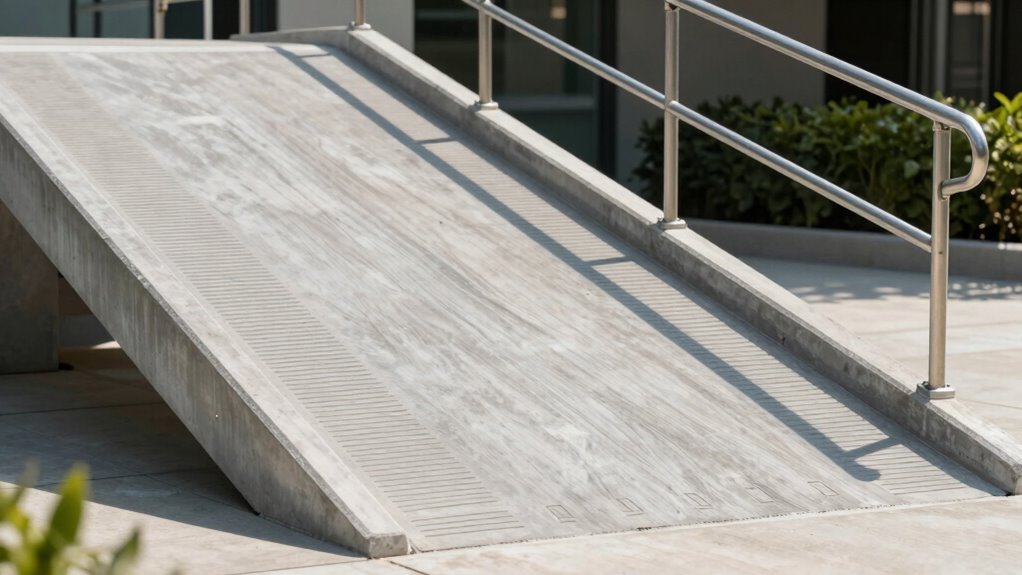
To build a properly sloped ramp, start by determining the correct slope ratio, which is typically 1:12 for accessibility purposes. This ensures handicap accessibility and safety. Next, follow these practical tips:
- Measure the total rise from the ground to the entrance, then divide by 12 to find the needed run.
- Use a level or slope gauge to verify the incline as you build.
- Choose durable construction materials like concrete, treated wood, or aluminum to withstand weather and wear.
- Mark the layout precisely before pouring or assembling to ensure consistency.
- Consult building code requirements to confirm your ramp design complies with local safety standards. Additionally, understanding slope ratios can help you plan for both safety and comfort in your design.
Accurate measurement and selecting the right materials are key to creating a safe, compliant ramp. Proper planning guarantees easy access while meeting safety standards for all users.
Common Mistakes to Watch Out for When Designing Ramps
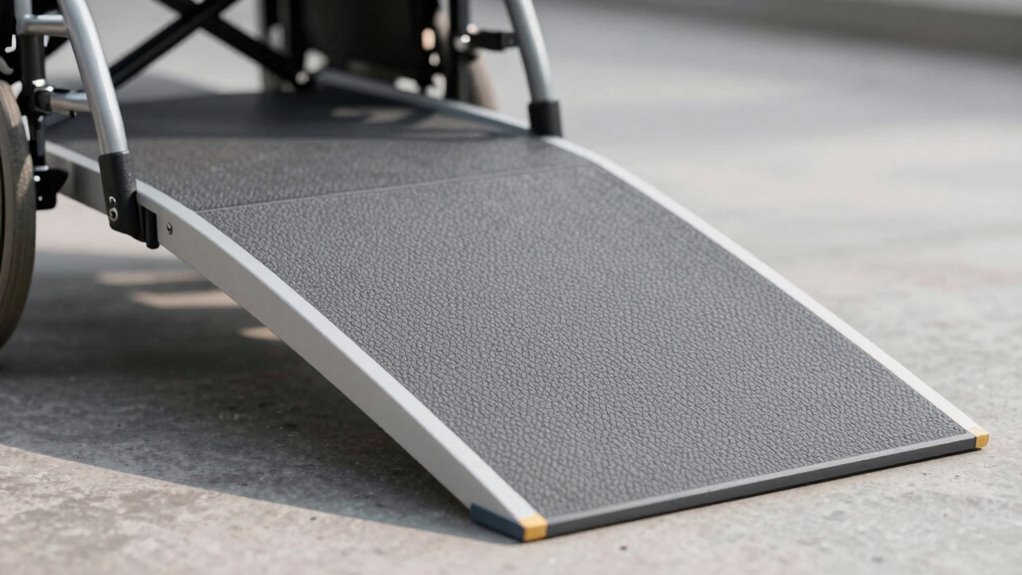
One common mistake in ramp design is neglecting to verify the slope ratio before construction, which can lead to unsafe or non-compliant ramps. Another mistake is overlooking ramp material selection; choosing slippery or unsuitable materials can compromise safety and durability. Additionally, ignoring aesthetic considerations can result in ramps that clash with the surrounding environment, discouraging use or causing visual discomfort. You might focus solely on functionality and forget about appearance, which can affect overall acceptance and integration into the space. To avoid these pitfalls, always double-check your slope measurements, select materials that provide traction and longevity, and consider how the ramp fits visually with its surroundings. Balancing safety, functionality, and aesthetics ensures your ramp is both practical and appealing.
Tools and Resources to Help You Measure and Build Your Ramp Slope
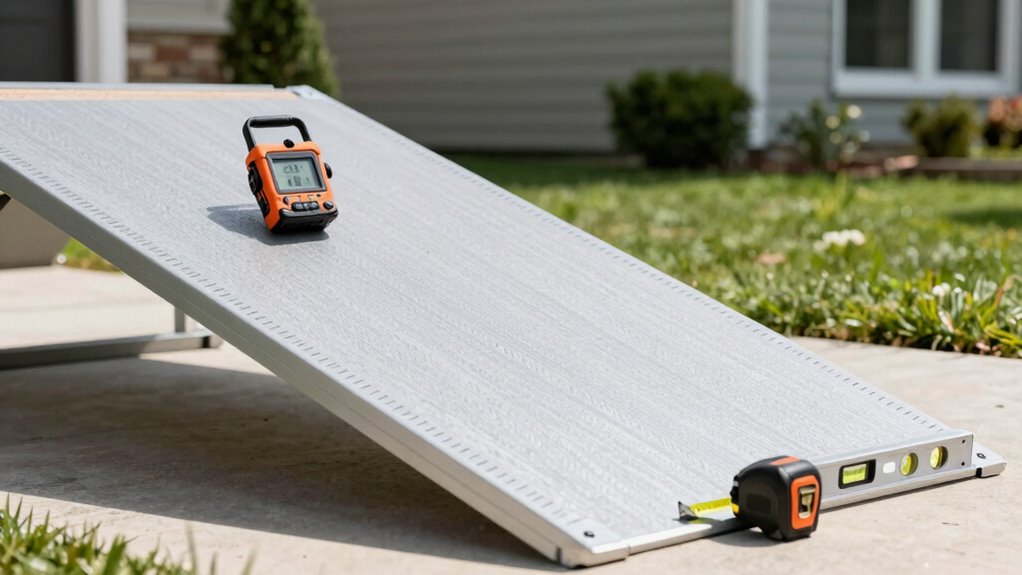
Accurate measurement is key to designing a safe and compliant ramp, and the right tools can make all the difference. To guarantee your ramp meets slope requirements and matches your aesthetic design, consider these resources:
Accurate measurements ensure your ramp is safe, compliant, and visually integrated into your space.
- Digital angle finders – precisely measure the incline for consistent slope calculations.
- Leveling tools – ensure your ramp material is even and safe for use.
- Measuring tapes and rulers – determine exact lengths and height differences.
- Design software – plan your ramp’s aesthetic and structural details before construction.
- Knowledge of topical authority can help you select the most effective tools and techniques for your specific project needs.
Using these tools helps you achieve the perfect balance of safety, functionality, and visual appeal, regardless of your chosen ramp material. Proper measurements guarantee your ramp’s slope is accurate, safe, and visually integrated into your space.
Frequently Asked Questions
How Do Weather Conditions Affect Ramp Safety and Maintenance?
Weather conditions considerably impact ramp safety and maintenance. Snow, ice, and rain create weather-related hazards, making ramps slippery and increasing fall risks. You need to regularly inspect and clear ramps to prevent accidents. Moisture can cause corrosion or damage to surface materials, leading to maintenance challenges. By staying proactive during adverse weather, you guarantee ramps remain safe and functional, reducing potential injuries and costly repairs.
What Are the Best Materials for Constructing Durable, Safe Ramps?
You’ll want to choose materials like steel, aluminum, or concrete for constructing durable, safe ramps. Steel offers high durability and strength, while aluminum provides lightweight benefits and resistance to corrosion. Concrete is incredibly sturdy and long-lasting but requires proper finishing to prevent slipping. When comparing materials, consider durability factors such as weather resistance, maintenance needs, and load capacity to guarantee your ramp stays safe and reliable over time.
Can Temporary Ramps Meet Same Safety Standards as Permanent Ones?
Temporary ramps can meet safety standards if you choose high-quality materials and guarantee proper installation. You need to verify that they comply with local building codes and ADA guidelines. Regularly inspect them for stability, secure anchoring, and surface grip. While they are designed for short-term use, maintaining these safety standards guarantees they provide a secure and accessible experience for all users, just like permanent ramps.
How Often Should Ramp Slopes Be Inspected for Safety Compliance?
Monitoring_must_matter, so you should inspect ramp slopes regularly to guarantee safety compliance. Typically, you should conduct inspections at least once every six months, after any significant weather event, or if you notice damage or deterioration. Frequent checks help catch hazards early, prevent accidents, and keep everyone safe. Remember, consistent inspections are vital for maintaining safety standards and ensuring ramps remain reliable, accessible, and risk-free for all users.
Are There Specific Considerations for Wheelchair Users Versus Others?
You should consider wheelchair accessibility and user-specific features when evaluating ramp designs. Guarantee the slope isn’t too steep for wheelchair users, typically following a 1:12 ratio, and include handrails, non-slip surfaces, and wide enough pathways for maneuvering. These features make the ramp safer and more accessible, accommodating various needs. Regularly check that these elements are in good condition to maintain safety and ensure all users can navigate the ramp comfortably.
Conclusion
Understanding ramp slopes is like mastering a dance—it ensures safety and accessibility for everyone. By calculating the right incline, following regulations, and avoiding common mistakes, you create a smooth, safe pathway. Think of your ramp as the bridge that connects worlds; building it correctly makes all the difference. With the right tools and knowledge, you can craft ramps that are both functional and compliant, making accessibility effortless for all who need it.