
TL;DR

Get furniture and decor delivered free with Prime
- Fast, free delivery on millions of items
- Prime Video, Amazon Music and more included
- Member-only deals all year
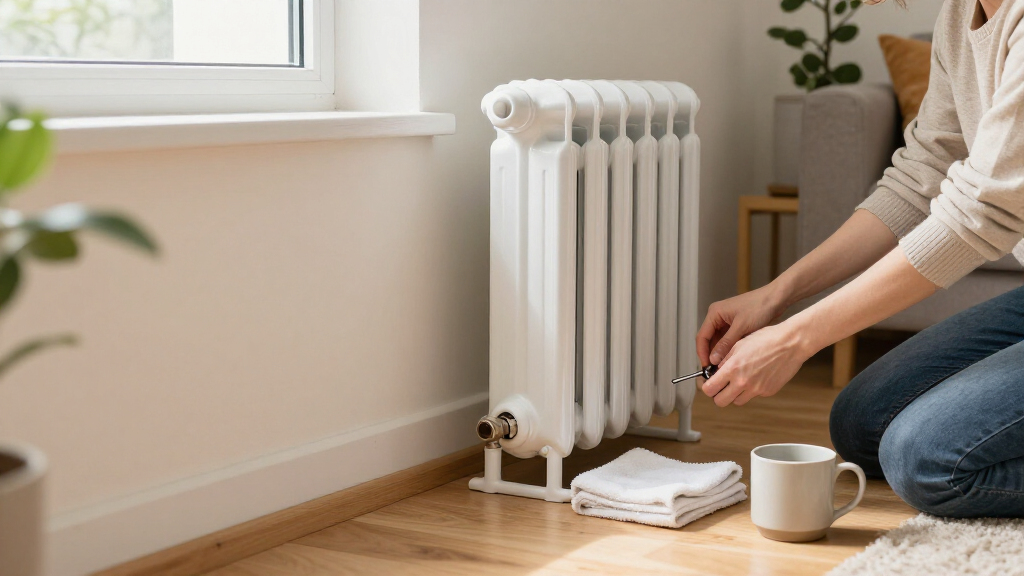
Switch off the central heating and wait for radiators to cool completely before opening a bleed valve. After bleeding, check the boiler pressure against its recommended range before turning the heating back on.
Turn the central heating off and allow radiators to cool before bleeding them, according to guidance published by Ideal Home and advice from heating specialists. Opening a valve while hot water is circulating can expose people to hot water and make the job messier; after bleeding, homeowners should check the boiler pressure before restarting the system.
Heating the system can help reveal a radiator with a cold patch near the top, a common sign that air may be trapped inside. But identifying a problem is different from releasing the air: for the bleeding itself, Ideal Home says the heating should be off and the radiator allowed to become completely cold.
Nick Duggan, director of The Radiator Centre, advises waiting for the radiator to cool so hot water is not circulating when the bleed valve is opened. He says letting the radiator cool also gives the air and water time to settle. With the heating running, water may come out faster, increasing the chance of spills and burns, and the process may be less effective.
Once the valve has been closed, there is no fixed waiting period before the heating can be switched back on. Duggan says to give the system a few minutes, then check the boiler pressure and confirm it remains within the range recommended for the boiler. Bleeding several radiators may lower the pressure slightly.
Avoiding Burns and Pressure Problems
Bleeding radiators can help release air that interferes with heating, but doing it while the system is hot adds avoidable risks. Hot water can escape from the valve, while faster flow can make it harder to control drips. Waiting until the radiator is cold is a straightforward safety precaution, particularly for people doing the task for the first time.
The pressure check matters because the system needs to be within its boiler’s recommended range when it is put back into use. A small drop may follow bleeding, especially if several radiators have been treated. The source does not give one pressure figure for every home, so readers should use their boiler instructions rather than assume a universal target.
Air can also affect comfort and heating performance. Darren Danks, head of training at Worcester Bosch, says trapped air can create cold spots and reduce performance, and over time may contribute to corrosion. That is his explanation of potential system effects; the article does not claim that every cold radiator is caused by air or that bleeding alone addresses every heating fault.
As an affiliate, we earn on qualifying purchases.
Spotting Air Before the System Cools
The recommended sequence separates diagnosis from maintenance. When the heating has warmed the system, a radiator that is warm at the bottom but cold at the top can indicate trapped air. Homeowners can use that pattern to identify radiators to investigate, but should switch the heating off and let them cool before opening any bleed valve.
A cold patch is a useful clue, not a complete test. Danks says small pockets of air may not create noticeable cold spots, so radiators can feel warm even when some air remains in the system. Ideal Home suggests that people may choose to bleed all their radiators rather than only those with an obvious symptom. This is advice in the report, not a requirement that every household must follow.
The report says bleeding one radiator takes about 30 seconds and that a home’s radiators may take around 15 minutes in total, though covers that need removal can add time. It lists a radiator key and a way to catch water among the useful equipment. The time estimates depend on the number and layout of radiators.
“Make sure the heating is switched off and, ideally, wait until your radiators have gone completely cold.”
— Nick Duggan, director of The Radiator Centre
Pressure Targets Vary by Boiler
The guidance does not specify a single boiler-pressure target, because the appropriate range depends on the system and its manufacturer’s instructions. It also does not give a universal number of minutes for cooling a radiator; the practical direction is to wait until it is completely cold.
Cold spots can suggest trapped air, but the source does not establish that air is the cause of every unevenly heated radiator. Danks notes that air may be present without obvious symptoms. The article does not set out how to diagnose other possible heating problems, or what to do if pressure falls outside the boiler’s recommended range.
Check Pressure Before Restarting
After bleeding, close the valve and allow a few minutes before checking the boiler pressure. If it is within the manufacturer’s recommended range, Duggan says the heating can be turned back on. If the pressure is outside that range, consult the boiler instructions or a qualified heating professional rather than relying on a pressure figure that may not apply to the system.
When the heating is running again, check whether radiators warm more evenly. Persistent cold spots, recurring air, or continuing pressure changes are not resolved by the source’s basic bleeding guidance; they may need further diagnosis. The report does not announce a new regulation or product change, and gives no date for any follow-up development.
Key Questions
Should the heating be on or off when bleeding radiators?
Off. Switch off the central heating and wait until the radiator is completely cold before opening its bleed valve, according to the guidance and expert advice cited by Ideal Home.
Why should a radiator be cold before bleeding?
A cold radiator reduces the risk of hot water escaping and causing a burn. Water may also flow faster when the heating is on, making spills more likely.
How soon can I turn the heating back on?
There is no fixed waiting period in the report. Duggan advises giving the system a few minutes, checking the boiler pressure, and restarting if it is within the range recommended for that boiler.
Does a warm radiator definitely mean there is no trapped air?
No. Worcester Bosch’s Darren Danks says small pockets of air may not produce obvious cold spots, so a radiator that feels warm does not rule out air in the system.
Source: rss
Halloween Picks
halloween
As an affiliate, we earn on qualifying purchases.