
To maximize your single room’s potential, incorporate hidden storage in furniture like ottomans or beds to keep clutter out of sight while maintaining a clean look. Choose flexible pieces such as fold-out beds or extendable tables that quickly adapt to different needs. Combining discreet storage with versatile furniture helps create a functional, stylish space that serves multiple purposes. Keep exploring for more smart tips to transform your room into a multi-purpose haven.
Key Takeaways
- Incorporate furniture with hidden compartments to maximize storage without cluttering the space.
- Use flexible, multi-purpose furniture like fold-out beds or extendable tables to adapt the room for various needs.
- Opt for sleek, neutral-toned pieces that seamlessly blend into the decor for a cohesive look.
- Combine discreet storage solutions with versatile furniture to keep the space organized and functional.
- Reconfigure furniture layout easily to switch between activities, promoting a dynamic and adaptable environment.
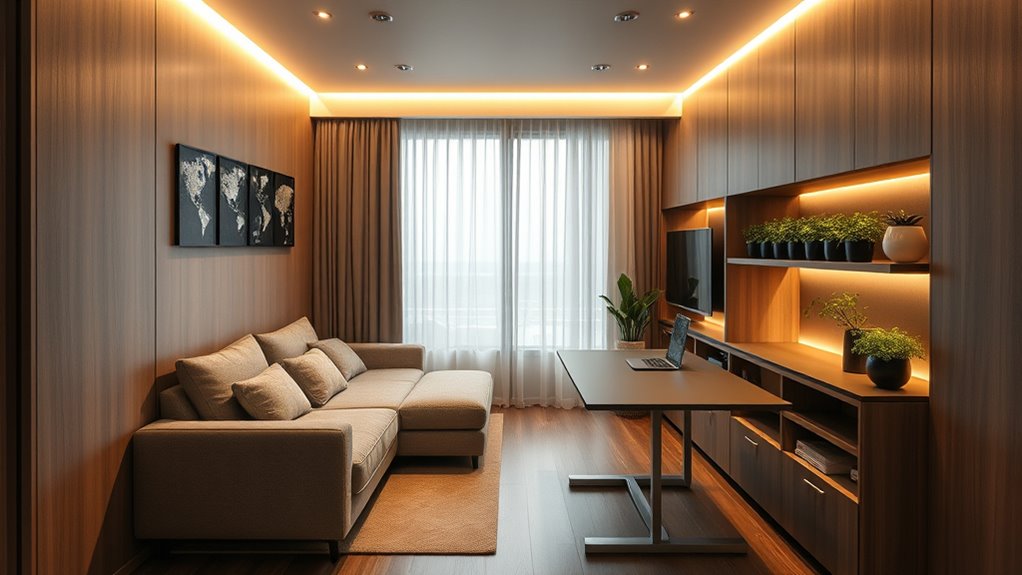
Creating a multi-functional space can be challenging, but with the right design tricks, you can maximize both style and functionality. One of the most effective ways to keep your space organized and adaptable is by incorporating hidden storage. This approach allows you to maintain a clean, uncluttered look while still providing ample room for all your essentials. Think about furniture pieces that double as storage units—like ottomans with compartments, beds with drawers underneath, or coffee tables with hidden compartments. These clever solutions make it easy to tuck away books, seasonal decorations, or everyday items without sacrificing style. Hidden storage not only keeps your space tidy but also helps you make the most of limited square footage, especially in small rooms. When designed thoughtfully, it becomes a seamless part of your decor, blending practicality with aesthetic appeal.
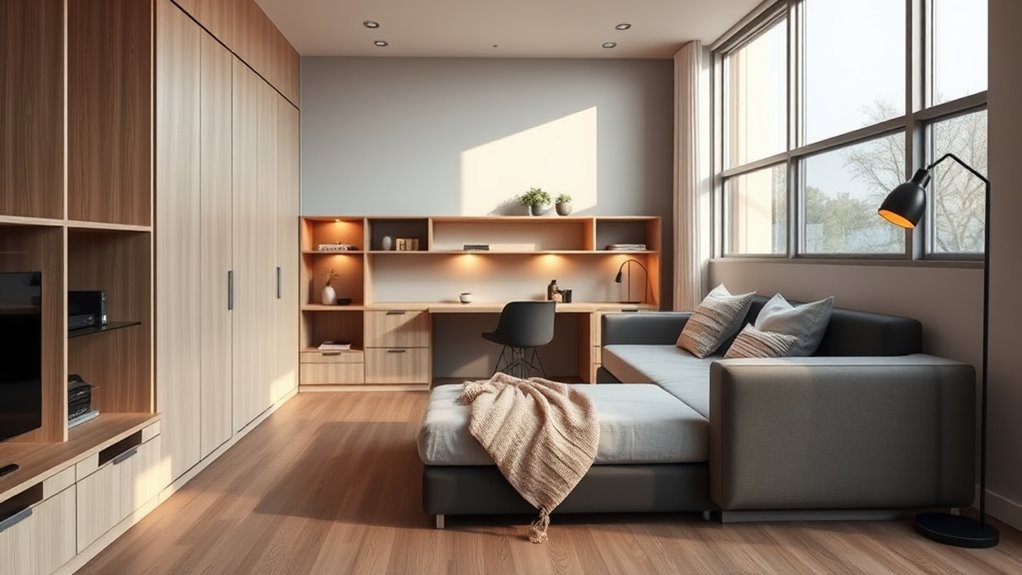
Alongside hidden storage, flexible furniture plays a *vital* role in transforming a single room into multiple functional zones. Pieces like fold-out beds, extendable dining tables, or modular sofas allow you to adapt your space to different needs throughout the day. For example, a sofa bed can serve as a comfortable seating area during the day and quickly convert into a guest bed at night. An extendable table can host dinner parties or serve as a workspace, depending on your requirements. The beauty of flexible furniture is that it offers versatility without cluttering your space with unnecessary pieces. It encourages a more dynamic use of your room, making it easy to switch between functions without major renovations or rearrangements. Additionally, multi-purpose furniture can be designed with sleek lines and neutral tones to seamlessly integrate into your existing decor. When selecting these items, look for designs that are sleek and simple, so they blend seamlessly with your existing decor.
Combining hidden storage with flexible furniture creates an environment where your space feels open and inviting, yet highly functional. Use multi-purpose furniture as your foundation, then add discreet storage solutions to keep everything organized. Opt for pieces that are lightweight and easy to move, so you can reconfigure your layout effortlessly whenever needed. This approach encourages a fluid, adaptable environment that responds to your lifestyle, whether you’re working, relaxing, or entertaining. With the right balance of hidden storage and flexible furniture, you’ll find that your one-room setup can easily accommodate many purposes while maintaining a cohesive, stylish look. It’s all about smart design choices that prioritize practicality without sacrificing visual appeal, turning your space into an efficient, comfortable haven.

DUMOS 43 Inch Folding Storage Ottoman Bench, Large Hidden Storage Chest with Thicker Foam Padded Seat, End of Bed Foot Rest Stool for Bedroom Living Room Entryway, Load 660 lbs, Grey
【Heavy-Duty Support】Built with thick MDF panels for strong structural support, this storage ottoman bench holds up to 660…
As an affiliate, we earn on qualifying purchases.
As an affiliate, we earn on qualifying purchases.
Frequently Asked Questions
How Can I Maximize Storage in a Small Multi-Purpose Room?
To maximize storage in your small multi-purpose room, focus on smart storage solutions and space-saving furniture. Use multi-functional pieces like beds with drawers or fold-away desks to save space. Install shelves or wall-mounted organizers to keep clutter off the floor. Choose furniture with built-in storage, and utilize vertical space for additional solutions. These strategies help you stay organized while maintaining a spacious, functional environment.
What Are the Best Color Schemes for Versatile Spaces?
You might think choosing colors is simple, but the right scheme creates harmony and mood enhancement. For versatile spaces, opt for neutral tones like soft grays or warm beiges, which provide a calming backdrop. Add pops of color through accessories to keep the room lively without overwhelming. Balanced color harmony allows you to switch functions easily, making your space adaptable and inviting while maintaining aesthetic appeal.
How to Create Privacy in a Multi-Use Room?
To create privacy in a multi-use room, you can use dividing strategies like folding screens, open shelving, or curtains to separate areas visually. Soundproofing techniques, such as adding rugs, wall panels, or heavy drapes, help reduce noise transfer. You might also consider movable partitions for flexibility. These approaches allow you to enjoy privacy without sacrificing the room’s overall functionality, making your space more comfortable and adaptable.
What Furniture Pieces Are Ideal for Multi-Functional Areas?
Think of your space as a Swiss Army knife—versatile and ready for anything. You’ll want convertible furniture like sofas that turn into beds and extendable tables for flexible use. Modular storage pieces help keep clutter at bay, easily rearranged to suit your needs. These smart furniture choices act as chameleons, adapting seamlessly to different functions, so your room remains functional and inviting, no matter how many purposes it serves.
How Can Lighting Enhance a Multi-Purpose Space?
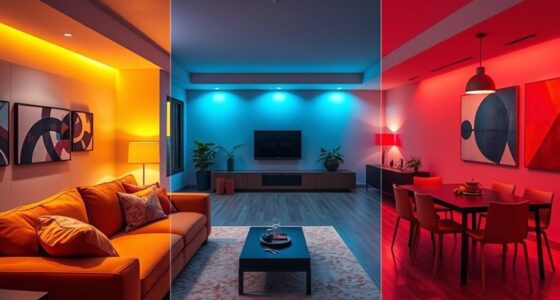
You can enhance your multi-purpose space with strategic lighting. Use ambient lighting to create a warm, inviting atmosphere and guarantee overall brightness. Incorporate task lighting in specific areas, like a desk or reading nook, to provide focused illumination. By balancing these lighting types, you make your space more functional and cozy, helping you switch seamlessly between activities while highlighting key areas and making the room feel more spacious.

COMAX Futon Sofa Bed, 4‑in‑1 Convertible Sofa Bed, Folding Boneless Couches for Living Room, Fold Out Small Foldable Loveseat Floor Sleeper Comfy Mattress Lounge Space‑Saving, Black
Versatile 4-in-1 Functionality: Ingeniously designed with two connected foam seats that easily unfold into a spacious sofa bed;…
As an affiliate, we earn on qualifying purchases.
As an affiliate, we earn on qualifying purchases.
Conclusion
Creating a multi-functional space isn’t just about clever design; it’s about crafting a sanctuary that adapts to your life’s many chapters. With a few thoughtful tricks, you can turn a single room into a warm, inviting haven that gently supports your changing needs. Embrace the beauty of versatility, and let your space reflect the fluidity of your life. After all, a well-designed room is a quiet partner in your everyday journey.

41 in-78 in Extendable Dining Room Table for 4-8, Round Expandable Kitchen Table with Fluted Base, Modern Farmhouse Oval Dinner Tables for Dining Room Kitchen Living Room (Natural)
【Versatile Expandable Design】This expandable round oval dining table transforms from a cozy 41-inch round table for 4 into…
As an affiliate, we earn on qualifying purchases.
As an affiliate, we earn on qualifying purchases.

Bush Business Furniture Modular 2 Seater Sectional with Charging Station, Guest Seating for Lobby or Reception Area, Assemble Collection, Oat Fabric
ADAPTABLE DESIGNS: Assemble's modular furniture provides flexible seating for reception areas, breakrooms, lounges, and more. Each piece of…
As an affiliate, we earn on qualifying purchases.
As an affiliate, we earn on qualifying purchases.