
Working with an interior designer gives you expert guidance on space planning, furniture choices, and creating a balanced, functional layout tailored to your lifestyle. They can help you avoid costly mistakes, optimize room dimensions, and select pieces that blend style and comfort. DIY projects often lack this strategic approach and professional insight, which can lead to frustration. Want to discover how to make the most of your space? Keep exploring to learn more.

Get furniture and decor delivered free — and shop member deals
- Fast, free delivery on millions of items
- Access to Prime Big Deal Days deals on October 6–7
- Prime Video, Amazon Music and more included
Key Takeaways
- Interior designers provide expert guidance in space planning, furniture selection, and creating balanced, functional layouts tailored to your lifestyle.
- They analyze room dimensions and traffic flow to maximize usability and avoid clutter or awkward configurations.
- Designers offer access to curated furniture options at better prices, ensuring style, comfort, and durability.
- Working with a designer results in a cohesive, timeless space with strategic arrangements that enhance visual appeal and functionality.
- Hiring a professional streamlines the process, saves time, minimizes costly mistakes, and yields a more satisfying, beautiful final result.
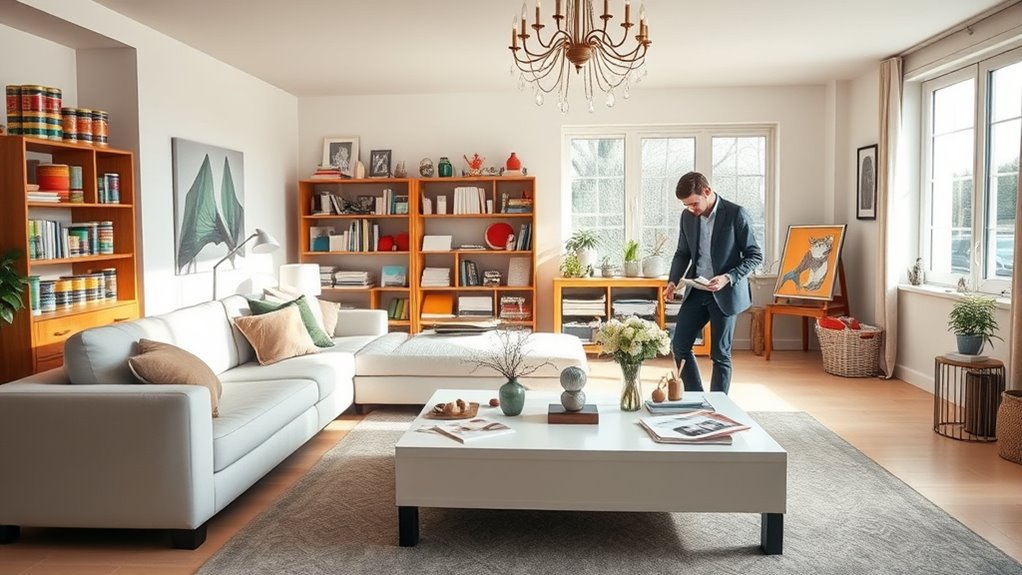
Are you torn between hiring a professional designer or tackling a project yourself? When it comes to transforming your space, the decision can feel overwhelming. If you choose to work with an interior designer, you’ll gain access to expert guidance on space planning and furniture selection, which can make a significant difference in the final outcome. Space planning isn’t just about arranging furniture; it’s about creating a balanced, functional flow that suits your lifestyle. A designer considers traffic patterns, natural light, and your daily routines to craft a layout that feels both natural and efficient. They analyze the room’s dimensions and identify the best ways to use every inch, avoiding clutter and awkward configurations. This ensures your space isn’t just beautiful but also practical for everyday use. Proper space planning also involves understanding how to optimize bike storage within your home to keep the area organized and accessible.
Working with an interior designer ensures balanced, functional space planning tailored to your lifestyle.
Furniture selection is another critical area where a professional shines. While you might have a clear vision, a designer helps translate that into a cohesive aesthetic by choosing pieces that complement each other, fit your space, and reflect your personality. They have access to a curated array of furniture options, often at better prices than retail, and can recommend pieces that balance style, comfort, and durability. Instead of spending hours browsing and second-guessing your choices, a designer streamlines the process, presenting you with options that align with your vision and budget. Their expertise ensures that the furniture not only looks good but also functions well within your space, considering scale, proportion, and harmony with other elements.
Working with a designer isn’t just about choosing beautiful pieces; it’s about creating a harmonious environment. They bring a strategic approach to space planning, ensuring each element serves a purpose while maintaining visual appeal. Plus, their knowledge of furniture selection helps you avoid costly mistakes, such as purchasing pieces that are too large or too small or clash with your existing decor. They also help you navigate the sometimes overwhelming world of interior design trends, focusing instead on timeless choices that will stand the test of time.
Ultimately, partnering with an interior designer means you’re investing in a smooth, stress-free process that results in a space you love. While DIY projects can be fulfilling, they often require significant time and effort, and sometimes the results fall short of expectations. If you want a polished, cohesive look that maximizes your space’s potential, working with a professional can save you frustration and deliver a more satisfying, sophisticated result.
interior design space planning furniture
As an affiliate, we earn on qualifying purchases.
As an affiliate, we earn on qualifying purchases.
Frequently Asked Questions
How Do I Choose the Right Interior Designer for My Project?
To choose the right interior designer, focus on designer compatibility by ensuring their style aligns with your vision. Review their portfolio to evaluate their previous work and see if their aesthetic matches your preferences. Schedule consultations to gauge how well you communicate and collaborate. Trust your instincts—select someone who listens, understands your needs, and makes you feel confident about transforming your space.
What Is the Typical Budget Range for Hiring an Interior Designer?
Like a trusty map in your pocket, your budget guides your project. Typically, hiring an interior designer costs between $50 to $200+ per hour or 10-20% of your total project budget. Budget planning helps you set clear expectations, while cost transparency guarantees there are no surprises. Keep in mind, the final amount depends on your project’s size, scope, and the designer’s experience—so communicate openly for the best results.
How Long Does an Interior Design Project Usually Take?
A typical interior design project usually takes anywhere from six weeks to several months, depending on your scope. You should expect clear timeline expectations and regular updates on project milestones, which help keep everything on track. Factors like the complexity of the space, availability of materials, and your decision-making speed can influence the timeline, so staying flexible and maintaining open communication guarantees smoother progress.
Can I Customize the Design Plan Myself After Hiring a Designer?
Yes, you can customize the design plan yourself, but it depends on your designer’s flexibility. Some designers embrace DIY modifications, allowing you to add personal touches later. However, others prefer to finalize the plan before implementation. To guarantee your vision aligns, discuss design flexibility upfront. Stay involved and communicate openly—this way, you can confidently make tweaks that reflect your style without disrupting the overall aesthetic.
What Are the Hidden Costs or Fees When Working With a Designer?
When working with a designer, watch out for hidden fees like additional charges for extra revisions, custom materials, or sourcing specialty items. These costs aren’t always clear upfront, so ask about potential hidden fees before signing your contract. Always clarify what’s included in the initial quote and inquire about any extra charges that might pop up later. Being proactive helps you avoid surprises and keeps your project on budget.
Conclusion
Whether you choose to work with an interior designer or roll up your sleeves DIY-style, remember, your space is your canvas. Think of an interior designer as a master painter, adding expert strokes of color and finesse, while DIY is your wild, unbridled brushstroke, bursting with personality. Whichever path you take, trust your instincts and let your home tell your story. After all, it’s your masterpiece—crafted with passion, purpose, and a dash of creativity.
Fall Picks
fall essentials
As an affiliate, we earn on qualifying purchases.