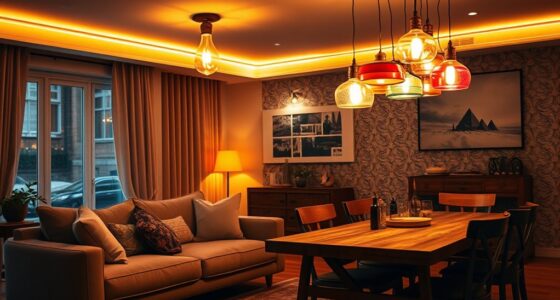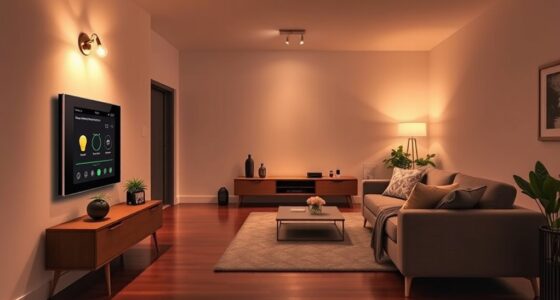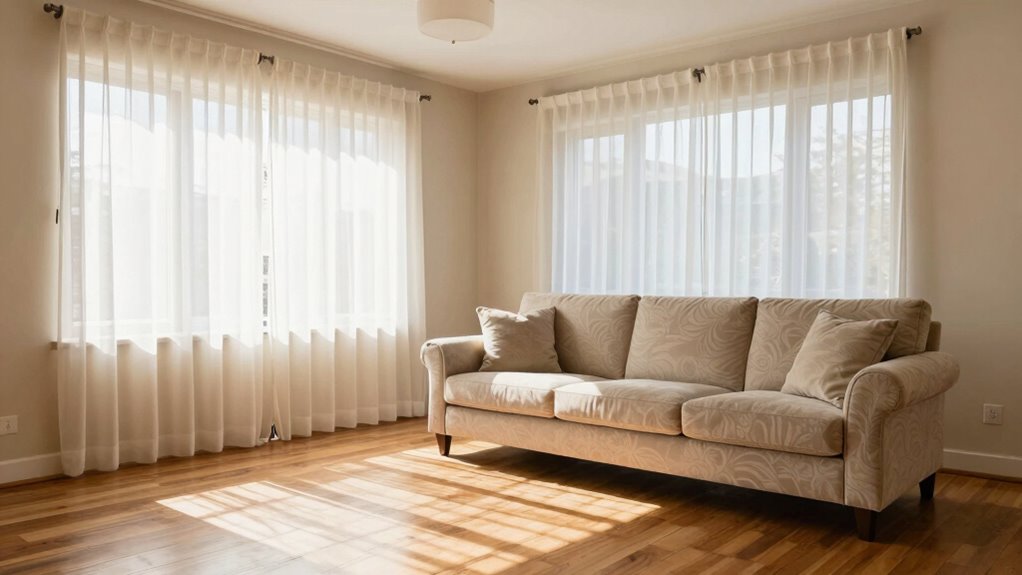

Better lighting instantly transforms your space by enhancing its atmosphere and highlighting architectural features, often faster than adding new decor. Proper lighting can brighten dull areas, create a sense of openness, and improve mood—all without clutter or costly changes. Using layered and natural light, you can address many design issues quickly and effectively. Keep exploring how lighting can be your most versatile tool for smarter, faster room upgrades.

Get furniture and decor delivered free — and shop member deals
- Fast, free delivery on millions of items
- Access to Prime Big Deal Days deals on October 6–7
- Prime Video, Amazon Music and more included
Key Takeaways
- Improved lighting instantly transforms the ambiance, making spaces feel more inviting without adding new decor.
- Proper lighting highlights architectural features, creating visual interest without physical changes.
- Layered and strategic lighting can address issues like dark corners quickly and cost-effectively.
- Adjusting light levels can enhance mood and perceived space, often more effectively than redecorating.
- Lighting influences perception and atmosphere, providing immediate visual harmony without cluttering the space.
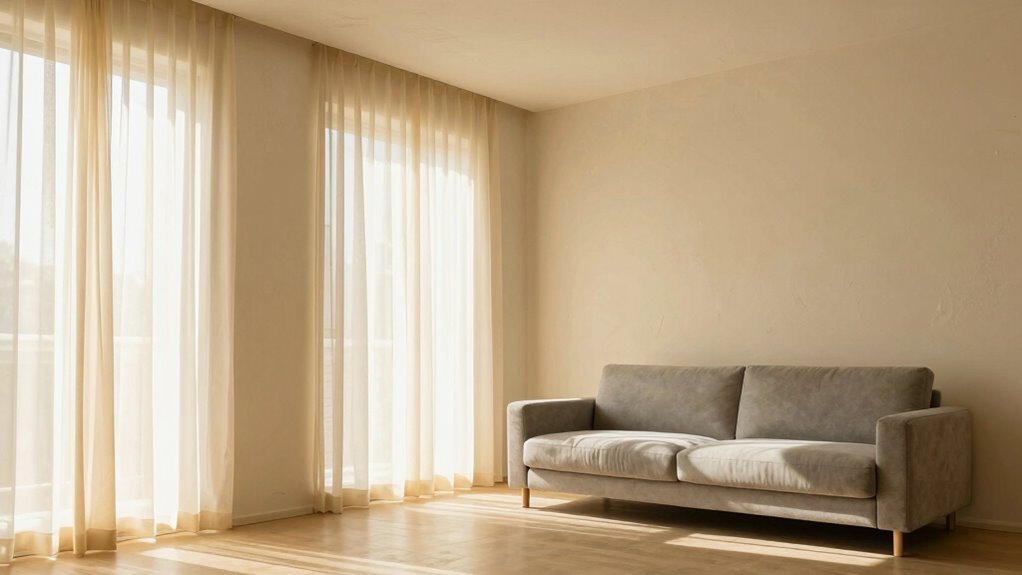
Have you ever struggled with a design that just doesn’t feel right? Sometimes, the issue isn’t about the furniture or color scheme but about how the space is lit. Better lighting can transform a room instantly, often solving design problems faster and more effectively than adding new decor. When you improve lighting, you’re not just illuminating the space; you’re enhancing its entire atmosphere. Natural illumination plays an essential role here. By maximizing sunlight and choosing window placements or treatments that let in more daylight, you bring a fresh, vibrant energy into the room. This natural light creates a sense of openness and airiness that no amount of decorative accessories can replicate. Plus, it saves you money on electricity and makes the space feel more lively and inviting during the day.
Better lighting also profoundly impacts mood enhancement. When a room is poorly lit, it can feel dull, oppressive, or even unwelcoming. Brightening the space with well-placed fixtures or strategic window use lifts the mood, making everyone inside feel more comfortable and energized. This emotional impact can be a game-changer, especially in workspaces or areas meant for relaxation. The right lighting can highlight architectural features or beautiful textures, drawing attention to elements you might overlook with dim or inconsistent illumination. As you adjust the lighting, you gain control over how the space feels—whether you want a cozy, intimate vibe or a bright, energetic environment. Additionally, the proper use of layered lighting can support sustainable practices by reducing reliance on artificial light during the day. Incorporating energy-efficient lighting options can further enhance these benefits and promote sustainable design principles.
Sometimes, the simplest solution is the most overlooked. Instead of investing in new decor, consider how your lighting setup influences your perception of the room. You might find that a few well-placed lamps, dimmers, or layered lighting sources make a dramatic difference. Layered lighting—combining ambient, task, and accent lights—gives you flexibility and creates a balanced, harmonious environment. It’s a way to refine the ambiance without cluttering the space with unnecessary objects. When natural light isn’t enough, artificial lighting becomes your best tool. It’s quick, cost-effective, and can be tailored to your specific needs, instantly resolving design issues like dark corners, uneven lighting, or uninviting atmospheres. Proper lighting design can also help optimize energy consumption and contribute to healthier indoor spaces.
In essence, better lighting isn’t just about visibility; it’s a powerful design tool. It influences how you feel in a space, highlights its best features, and can instantly transform an environment from lackluster to inviting. When you focus on optimizing natural illumination and mood enhancement through thoughtful lighting choices, you’re tackling key design problems head-on—often more effectively than by simply changing your decor. So, next time your space feels off, start with the lighting. It’s a quick fix with profound results that can redefine your entire environment. Recognizing the importance of biodiversity in design can also inspire more sustainable and harmonious solutions.
As an affiliate, we earn on qualifying purchases.
Frequently Asked Questions
How Do I Determine the Right Lighting for Each Room?
You determine the right lighting by considering lighting placement and color temperature. Place lights where they highlight key features or improve functionality, like task lighting over desks or counters. Use warmer color temperatures for cozy, relaxing spaces, and cooler tones for work areas. Think about layering different lights—ambient, task, and accent—to create a balanced, inviting atmosphere. Adjusting lighting placement and choosing the right color temperature make your rooms feel more comfortable and functional.
What Types of Lighting Fixtures Are Best for Different Spaces?
Ever wondered what lighting fixtures suit each space? For functional areas like kitchens and bathrooms, choose bright, task-oriented fixtures such as recessed or under-cabinet lighting. In living rooms or bedrooms, decorative luminaires like chandeliers, pendant lights, or wall sconces add ambiance and style. Use softer, warmer bulbs for relaxation zones and brighter, cooler tones where clarity matters. Balancing functionality with aesthetic appeal guarantees each room’s lighting enhances its purpose.
How Can Lighting Improve the Perception of Space and Size?
You can improve the perception of space and size with strategic lighting. By maximizing natural illumination, you make a room feel brighter and more open. Using layered lighting, like wall sconces or uplights, enhances visual perception, creating depth and dimension. Properly placed lighting draws attention to architectural features, making areas seem larger. Overall, good lighting tricks your eyes into perceiving a more spacious, inviting environment.
Are Energy-Efficient Lighting Options Effective for Design Purposes?
Energy-efficient lighting options, like LED options, are highly effective for design purposes. They offer a variety of color temperatures, allowing you to create different moods and highlight features. LEDs also provide bright, consistent illumination without wasting energy, making your space feel more inviting and functional. By choosing the right LED options and adjusting the color temperature, you can enhance your room’s ambiance, aesthetics, and overall functionality effortlessly.
How Does Lighting Affect Mood and Ambiance in a Room?
You’ll find that lighting subtly shapes how you feel in a room, blending color psychology with the balance of natural versus artificial light. Soft, warm lighting creates cozy, inviting atmospheres, while cooler, brighter tones invigorate and energize. By adjusting light levels and hues, you influence mood effortlessly, making spaces feel relaxing or lively without changing decor. Good lighting acts as an emotional palette, transforming ambiance in a way that feels both natural and calming.
Conclusion
Think of lighting as the magic wand of design—illuminating hidden flaws and turning shadows into clarity. When you brighten a space, you’re not just changing how it looks; you’re revealing its true potential. Better lighting acts like a lighthouse guiding your design ship safely through storms of uncertainty. So, before you plunge into new decor, remember: sometimes, all it takes is a well-placed light to transform chaos into harmony swiftly and beautifully.
Halloween Picks
halloween
As an affiliate, we earn on qualifying purchases.