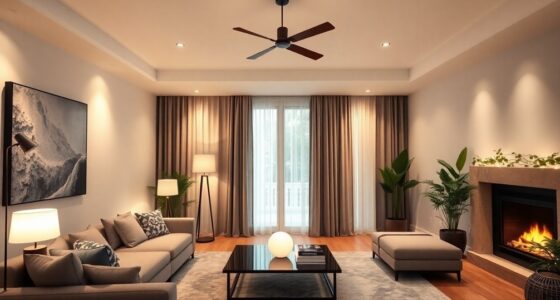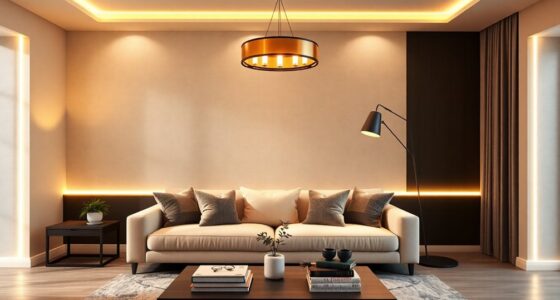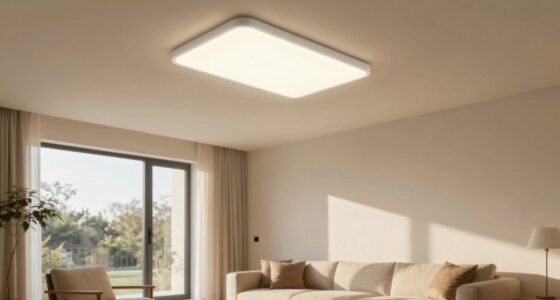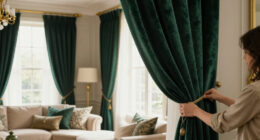

To reduce glare for aging eyes without rewiring, focus on layered, adjustable lighting that softens harsh spots. Use dimmable LED fixtures with warm tones, install smart bulbs for easy control, and incorporate window treatments like blinds or films to manage natural light. Proper furniture placement also helps avoid direct glare. By applying these tips, you create a more comfortable, eye-friendly environment. Keep going to discover more simple ways to brighten your space safely.

Get furniture and decor delivered free — and shop member deals
- Fast, free delivery on millions of items
- Access to Prime Big Deal Days deals on October 6–7
- Prime Video, Amazon Music and more included
Key Takeaways
- Use dimmable, warm-colored LED bulbs to reduce harsh glare and improve comfort for aging eyes.
- Incorporate layered lighting with adjustable task and ambient sources to minimize bright spots and shadows.
- Install window treatments like blinds or shades to control incoming natural light and prevent glare.
- Position furniture away from direct sunlight and use window films to diffuse light effectively.
- Add diffusers and indirect lighting to create even illumination and decrease eye strain caused by glare.
As an affiliate, we earn on qualifying purchases.
How Glare Affects Aging Eyes and Why It Matters

As you age, your eyes become more sensitive to glare, making it harder to see clearly in bright conditions. This increased sensitivity is due to age-related changes in your eye’s lens and cornea, which cause vision deterioration and reduce your ability to filter out excess light. Glare can cause discomfort, eye strain, and even temporary blindness, making daily activities more challenging. Your pupils also shrink with age, allowing less light in and worsening visibility issues under bright lights. This age-related sensitivity affects your safety and independence, especially when driving or perceiving unfamiliar environments. Recognizing how glare impacts your vision emphasizes the importance of adapting your lighting to protect your eyes and maintain clear, comfortable vision as you get older. Additionally, understanding the role of contrast ratio in visual clarity can help you select lighting solutions that minimize glare and improve overall sight. Proper lighting adjustments can help reduce glare sensitivity, making everyday tasks safer and more comfortable. Considering lighting design principles can further enhance visual comfort and reduce strain, especially by focusing on lighting control methods that help manage brightness levels effectively.
Easy Ways to Reduce Glare Without Rewiring Your Home
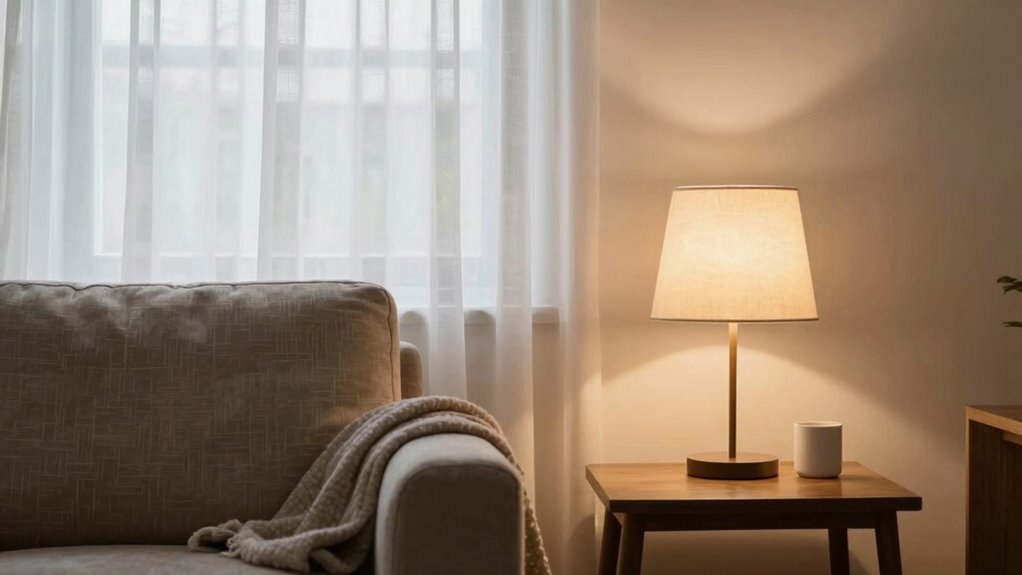
Looking for simple ways to cut down glare in your home without the hassle of rewiring? Smart lighting offers an easy solution. With adjustable brightness and color temperature options, you can customize your lighting to reduce harsh reflections and glare. Using dimmable bulbs and smart controls, you can soften light in areas where glare bothers your eyes, especially during evening hours. Incorporating layered lighting—like combining task, ambient, and accent lights—also helps distribute light evenly, minimizing bright spots. Additionally, installing smart lighting that responds to natural light levels can help maintain comfortable visibility throughout the day. These simple upgrades allow you to improve glare reduction effortlessly, making your home more comfortable for aging eyes without the need for rewiring or major renovations. A well-designed lighting plan includes safety considerations to ensure your adjustments are both effective and secure. For optimal comfort, consider adaptive lighting that adjusts automatically based on ambient conditions, enhancing visual comfort and reducing eye strain. Implementing properly designed lighting reduces glare and enhances safety, especially for those with aging eyes.
Choosing Light Bulbs and Fixtures for Comfort
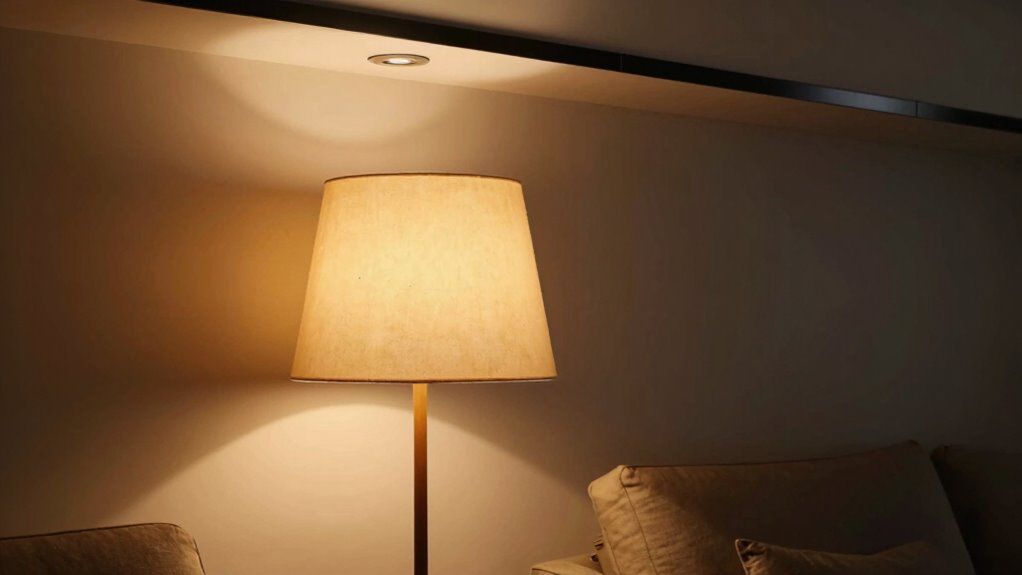
Choosing the right light bulbs and fixtures can make a significant difference in comfort for aging eyes. Opt for LED fixtures, which provide bright, even light without harsh glare. They are energy-efficient and long-lasting, making them a practical choice. Smart bulbs are especially useful because you can adjust brightness and color temperature to suit your needs, reducing eye strain and glare. Look for bulbs with a warm color temperature around 2700K to 3000K, which is easier on the eyes. Avoid overly bright or flickering lights, as they can cause discomfort. Good fixtures should diffuse light evenly and avoid direct glare. By selecting appropriate LED fixtures and smart bulbs, you create a softer, more comfortable lighting environment that helps you see better and reduces eye fatigue. Creating a comfortable home environment can further minimize strain on aging eyes by reducing harsh lighting contrasts. Additionally, understanding lighting fundamentals like lumens and color temperature can help you make more informed choices for optimal comfort.
How to Use Window Treatments to Minimize Glare
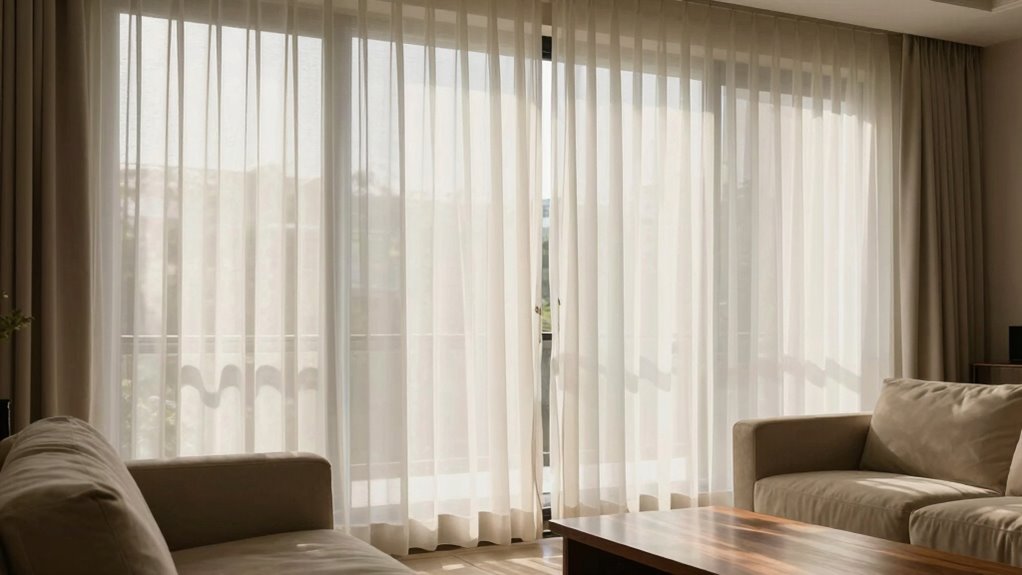
Effective window treatments can considerably reduce glare that hampers vision, especially for aging eyes. Start by carefully planning furniture placement to avoid placing seating directly in front of bright windows. Use window treatments like blinds, shades, or curtains that can be easily adjusted to block or diffuse incoming light. Consider installing window film options, such as tinted or frosted films, to minimize glare without sacrificing natural daylight. These films can be a permanent solution, reducing harsh reflections on screens and surfaces. Combining adjustable treatments with strategic furniture placement helps you control light levels throughout the day. Additionally, light diffusion techniques can help soften harsh light, making your space more comfortable. By customizing your window coverage, you can enjoy natural light while preventing glare that strains your eyes and diminishes visual clarity. Proper lighting management is essential for creating a comfortable and functional living space for aging eyes. Incorporating light control solutions can further enhance your ability to tailor the environment to your needs, especially when managing glare reduction techniques. Using appropriate window treatments can also help in maintaining a consistent and glare-free environment, reducing the need for constant adjustments throughout the day.
Extra Tips for a Glares-Free, Eye-Friendly Environment
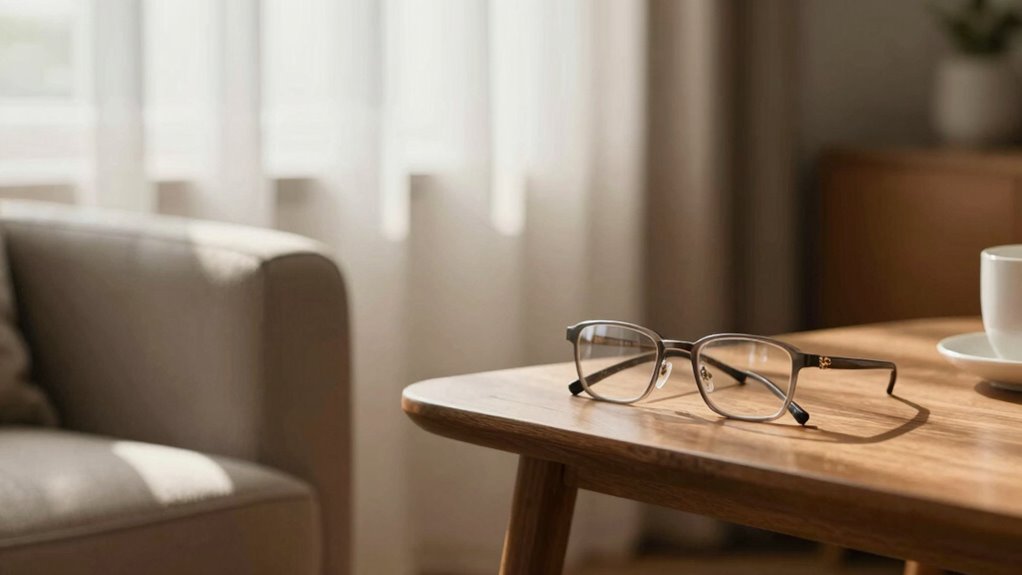
To create a truly glare-free, eye-friendly environment, consider incorporating layered lighting strategies that balance natural and artificial light. This approach reduces harsh contrasts and minimizes glare psychology, which can distract or strain your eyes. Use task lighting for specific activities, like reading or working, and ensure ambient lighting is soft and even. Adjust light levels with dimmers to prevent overly bright or dim spots. Prioritize light sources with diffuse, warm tones to promote better eye health strategies. Regularly position lamps and fixtures to avoid direct glare into your eyes or reflective surfaces. Additionally, choosing appropriate light fixtures that diffuse light evenly can significantly enhance visual comfort. Incorporating layered lighting techniques helps distribute light more evenly across your space, reducing eye strain. Ensuring that your lighting setup minimizes harsh shadows can further decrease visual discomfort. Experiment with diffuse lighting options to find the most comfortable environment for your eyes. These simple steps help maintain ideal eye comfort, reduce fatigue, and support long-term eye health, making your space more comfortable and safer for aging eyes.
Frequently Asked Questions
Can Specific Colors of Lighting Reduce Glare for Aging Eyes?
Yes, specific colors of lighting can reduce glare for aging eyes. Cooler color temperatures, like soft white or warm white, tend to be gentler on eye sensitivity and minimize harsh reflections. By choosing lighting with a balanced color temperature, you help decrease eye strain and glare, making it easier to see comfortably. Adjusting your lighting to suit your eye sensitivity is a simple way to improve visual comfort without rewiring.
Are There Particular Brands Known for Glare-Free Lighting Solutions?
Imagine stepping into a calm, moonlit night—some lighting brands, like Philips and GE, offer glare-free bulbs that create this soothing environment. These trusted lighting brands specialize in glare-free bulbs designed to soften harsh reflections and reduce eye strain. You’ll find options that mimic natural light, making your space safer and more comfortable. Choose these brands, and you’ll enjoy clearer vision and less discomfort, no rewiring needed.
How Does Natural Light Impact Glare Compared to Artificial Lighting?
Natural light generally causes less glare than artificial lighting because it offers a softer, more diffuse illumination. It reduces artificial contrast, making it easier for your eyes to adjust and preventing strain. You should maximize natural light during the day by opening curtains or blinds, while using artificial light thoughtfully in the evening to minimize glare and maintain comfortable vision. This approach helps protect your aging eyes from unnecessary visual stress.
Can Glare Reduction Techniques Benefit People With Other Eye Conditions?
Absolutely, glare reduction techniques can be a game-changer for those with visual impairment and glare sensitivity. Imagine transforming your daily life from a constant battle with blinding lights into a smoother, clearer experience. These techniques, like adjusting lighting angles or using anti-glare screens, help minimize discomfort and improve visibility. If you struggle with glare sensitivity, implementing such measures can dramatically enhance your comfort and independence.
What Are the Long-Term Health Benefits of Minimizing Glare at Home?
Minimizing glare at home boosts your long-term health by enhancing visual comfort and reducing eye strain, which can prevent headaches and fatigue. It also improves sleep quality, as softer, well-designed lighting helps your body produce melatonin naturally. Over time, these benefits support better overall eye health and well-being, making your home a more comfortable and healthier environment. Prioritizing glare reduction is a smart step for your future health.
Conclusion
By making simple adjustments, you can turn your home into a haven free of blinding glare—like dimming the harsh spotlight that blinds your eyes. These tips help you see clearly and comfortably, so you can enjoy your space without straining or frustration. Think of your home as a gentle sunset, softening the light just enough to keep your aging eyes happy. With these easy changes, you’ll create a cozy, eye-friendly environment you’ll love to live in.
Fall Picks
fall essentials
As an affiliate, we earn on qualifying purchases.