To create a clear walkway in a small living room, place larger furniture against the walls and avoid blocking pathways with bulky pieces. Use multi-functional furniture like storage ottomans to save space and define zones with strategically placed rugs. Keep walkways open by arranging sofas and chairs thoughtfully, and use visual cues like lighting and décor to subtly distinguish areas. For more tips on maintaining a spacious vibe, keep exploring this layout trick.
Key Takeaways
- Place larger furniture against walls to keep pathways open and prevent obstruction.
- Use multi-functional, space-saving furniture to reduce clutter and maximize floor space.
- Define zones with rugs and décor, while leaving walkways clear of furniture or accessories.
- Incorporate strategic lighting and visual cues to highlight open pathways and enhance flow.
- Avoid placing furniture in the middle of the room, maintaining unobstructed walkways for easy movement.
Why a Clear Walkway Makes Your Small Living Room Feel Larger

A clear walkway is essential in a small living room because it creates a sense of openness and flow. When you keep pathways unobstructed, your space feels larger and more inviting. Incorporate smart storage solutions to hide clutter, preventing blockages that can make the room seem cramped. Use lighting techniques, like wall-mounted lights or strategic lamp placement, to brighten the area and draw the eye along the open pathway. Proper lighting enhances the sense of space, making the room feel airy. Avoid overcrowding furniture and accessories near walkways, as this can trap the eye and reduce the feeling of spaciousness. Additionally, understanding the importance of contrast ratio in visual perception can help you choose lighting and furniture arrangements that maximize perceived space. Considering visual perception principles can guide you in creating a more spacious feel. Incorporating visual hierarchy into your layout can further emphasize openness and make the room feel more expansive. By combining clean pathways with clever storage and lighting, you’ll maximize your small living room’s size and comfort.
How to Arrange Furniture to Maximize Space and Flow

To maximize space and flow in your small living room, carefully consider how you arrange your furniture. Use multi-functional furniture, like ottomans with storage or sofa beds, to save space and reduce clutter. Place larger pieces against the walls to keep the center open, creating a clear walkway. Incorporate wall-mounted storage solutions to free up floor space and keep essentials organized without crowding the room. Avoid placing furniture in the middle of the room, which can block pathways and make the space feel cramped. Instead, position seating to encourage conversation and easy movement. Keep the layout simple and avoid overcrowding, ensuring your small living room feels open and inviting while maintaining ergonomics and functional flow. Additionally, choosing the right furniture arrangement can significantly enhance the room’s spatial perception and overall comfort.
Best Furniture Choices for Small Living Rooms to Reduce Clutter

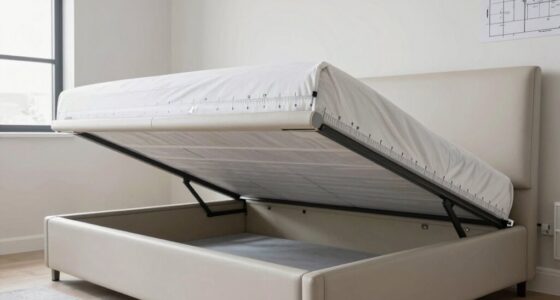
Choosing furniture that serves multiple purposes can substantially reduce clutter in your small living room. Multi functional furniture, like a sofa bed or storage ottoman, helps you maximize space without sacrificing comfort. Wall mounted storage is also a game-changer—use it for books, remote controls, or decorative items, keeping surfaces clear. Consider pieces that combine seating and storage to minimize furniture clutter. Here’s a quick guide:
| Furniture Type | Benefits |
|---|---|
| Multi functional sofa | Converts to bed, extra seating, storage |
| Wall mounted shelves | Free up floor space, easy access |
| Storage ottomans | Hidden storage, multifunctional seating |
| Fold-away tables | Save space when not in use |
Implementing space-saving solutions can further enhance the openness and organization of your living area. For example, choosing furniture with built-in hidden storage can keep clutter out of sight while maintaining a clean look. Additionally, incorporating modular furniture allows for flexible configurations tailored to your space. Using compact and adaptable pieces ensures your small living room remains welcoming and functional. These choices keep your living room organized, open, and inviting.
Tips for Positioning Sofas, Chairs, and Tables for Space and Comfort

Maximizing space and comfort in a small living room hinges on smart furniture placement. To optimize layout, consider these tips:
Smart furniture placement maximizes small living room space and comfort efficiently.
- Arrange your sofa against a wall to free up central space and leave room for multifunctional furniture, like storage ottomans.
- Position chairs at angles or slightly away from the sofa to create an open feel without crowding.
- Use lighting strategies, such as wall-mounted lights or floor lamps, to brighten corners and reduce visual clutter.
- Keep tables within easy reach but avoid cluttering pathways, ensuring they don’t block movement or the flow of conversation.
- Incorporate compact furniture that serves multiple purposes to maximize functionality in limited space.
- Additionally, consider space-efficient layouts that prioritize open pathways and easy navigation throughout the room.
- Employ furniture placement techniques that enhance the perception of space and maintain an uncluttered environment.
- Utilizing advanced setup techniques can further optimize your small living room’s layout for both comfort and style.
- Remember to assess your space carefully to tailor your layout for the most effective use of your specific area.
Using Rugs and Décor to Define Zones Without Blocking Pathways

Using rugs and décor wisely helps you create distinct zones in your small living room without blocking pathways. You can achieve this by placing rugs strategically and choosing colors that unify or differentiate areas. This method allows you to define functional spaces while keeping your room feeling open and accessible. Incorporating visual design principles ensures your layout remains balanced and inviting. Paying attention to spatial perception can help you optimize the room’s flow and make it appear larger. Additionally, understanding perceived space can enhance the overall sense of openness and comfort in your layout. Being mindful of visual weight can further improve how your space feels and functions. Employing these techniques can also help manage visual clutter, making your small living room feel more organized and spacious.
Strategic Rug Placement
Strategic rug placement can transform a small living room by clearly defining different zones without obstructing pathways. Use area rugs to anchor seating areas, making them feel separate yet connected. Consider these tips:
- Place rugs partially under furniture to create distinct zones without blocking flow.
- Use different sizes or shapes of area rugs to differentiate spaces visually.
- Position rugs in high-traffic areas to protect flooring and guide movement.
- Incorporate decorative accents around rugs, like small tables or lamps, to enhance zone separation.
Color Coordination Techniques
Color coordination plays a pivotal role in defining zones within a small living room, especially when you want to avoid cluttering pathways. Using color contrast, such as pairing a bold accent wall with neutral furniture, helps visually separate different areas without physical barriers. Incorporate rugs with distinct hues or patterns to subtly outline specific zones, guiding the eye and creating a sense of order. When choosing décor, stick to a cohesive palette to unify the space, but add pops of color to highlight different functions or areas. This approach keeps your living room feeling open and airy while clearly delineating zones. By thoughtfully combining accent walls, contrasting colors, and curated décor, you establish visual boundaries that enhance flow without obstructing movement. Additionally, detect passive voice to ensure your writing remains clear and engaging.
Distinct Decor Zones
Rugs and carefully chosen décor can effectively create distinct zones in a small living room without blocking pathways. To define areas clearly, consider these steps:
- Use a rug under the sofa to anchor your seating zone, choosing one with a pattern or color that complements your wall art.
- Place lighting fixtures, like floor lamps or sconces, to highlight each zone and add visual separation.
- Hang wall art strategically to mark different areas, such as a gallery wall behind the reading nook.
- Incorporate décor elements, like side tables or plants, to subtly delineate spaces without cluttering walkways.
Common Small Living Room Layout Mistakes and How to Avoid Them

One common mistake is blocking pathways with furniture or clutter, making the space feel cramped and difficult to navigate. Incorrect furniture placement can also disrupt the room’s flow and reduce functionality. To avoid these issues, plan your layout carefully and keep walkways clear. Additionally, understanding space optimization techniques can help maximize the small room’s potential.
Obstructed Pathways and Clutter
Cluttered surfaces and blocked pathways can quickly make a small living room feel cramped and chaotic. To improve flow, consider these steps:
- Use smart storage solutions like wall-mounted shelves or multi-functional furniture to keep surfaces clear.
- Keep walkways unobstructed by arranging furniture away from doorways and traffic paths.
- Enhance lighting with layered lighting options, such as sconces or floor lamps, to brighten the space and reduce visual clutter.
- Regularly declutter surfaces, removing unnecessary items to maintain a clean, open feel.
Incorrect Furniture Placement
Incorrect furniture placement is a common mistake that can make a small living room feel cramped and uninviting. Placing furniture without considering flow blocks natural pathways and creates clutter. Avoid crowding the space with large pieces that don’t serve a purpose, and instead, opt for multi-functional furniture or smaller, well-placed pieces. Incorporate wall mounted shelves to free up floor space and display artificial plants, which add greenery without taking up valuable room. Position seating to promote conversation and ensure clear walkways remain open. Keep essential pathways unobstructed by arranging furniture against walls or in corners. Remember, the goal is to create a balanced layout that maximizes the room’s size while maintaining a comfortable, inviting atmosphere.
Final Tips for Keeping Your Living Room Spacious and Inviting

To maintain a spacious and inviting living room, focus on smart organization and thoughtful furniture placement. Incorporate artificial lighting to brighten dark corners and create an open feel. Use wall art strategically; select pieces that add personality without cluttering the walls. Here are some final tips:
- Keep surfaces clear and store items out of sight to reduce visual clutter.
- Use multi-functional furniture to maximize space and versatility.
- Opt for light-colored or neutral furniture to enhance brightness.
- Incorporate layered lighting — combine ceiling, table, and wall-mounted fixtures for depth.
- Understand the importance of spatial awareness in arranging furniture to ensure clear walkways and improved flow within your living space. Being mindful of furniture placement can further enhance the sense of openness and functionality. Paying attention to cleaning appliance efficiency can also help maintain an organized environment by making upkeep easier and more effective.
These steps will help your small living room feel more open and welcoming. Remember, thoughtful lighting and well-chosen wall art can make a significant difference in creating an inviting atmosphere.
Frequently Asked Questions
How Can I Create a Clear Walkway Without Sacrificing Seating Comfort?
You can maintain comfortable seating while ensuring clear traffic flow by arranging your furniture thoughtfully. Place sofas and chairs against walls or corners to maximize space, and keep pathways open by positioning larger pieces away from doorways and walkways. Use multi-functional furniture like ottomans with storage to reduce clutter, and create a natural flow that guides movement without sacrificing comfort. This layout balances accessibility with cozy seating.
Are There Specific Furniture Sizes Best for Small Living Rooms?
For your small living room, opt for compact furniture and scaled pieces that fit comfortably without overwhelming the space. Look for sofas and chairs with slim arms and low profiles, and choose multi-functional furniture like ottomans with storage. These pieces maximize seating while maintaining a clear walkway. Avoid bulky furniture, and prioritize pieces that suit the room’s dimensions, ensuring you create a functional, inviting space without feeling cramped.
How Do I Incorporate Storage Without Cluttering the Space?
You can incorporate storage without cluttering your space by using hidden storage options and wall-mounted solutions. Opt for furniture with built-in compartments, like ottomans or sofas with hidden compartments, to keep clutter out of sight. Additionally, install wall-mounted shelves or cabinets to maximize vertical space, freeing up the floor. These smart choices help you maintain a clean, open feel while keeping everything organized and within easy reach.
What Color Schemes Help Make a Small Living Room Appear Larger?
Opt for a monochrome palette to make your small living room feel more spacious. Light, neutral colors like whites, beiges, and soft grays reflect more light and create an airy feel. Incorporate color contrast with darker accents on furniture or accessories to add depth without overwhelming the space. This combination keeps your room looking open and inviting, helping it appear larger and more cohesive.
Can Multi-Functional Furniture Improve Space and Flow?
Yes, multi-functional furniture can remarkably improve space and flow in your small living room. Dual-purpose furniture, like a sofa bed or storage ottomans, maximizes your space by combining functions. Multi-use designs make it easier to keep the area organized and open, allowing you to move freely. This approach helps you create a more spacious, versatile environment without sacrificing comfort or style, making your small living room feel larger and more functional.
Conclusion
Think of your small living room as a dance floor—every piece of furniture a step, and each pathway a rhythm. Keep it clear, and your space breathes freely, inviting movement and comfort. When you arrange with purpose, clutter fades, and harmony takes its place. A well-planned layout is your choreography, transforming tight corners into a spacious, inviting haven where every step flows effortlessly, creating a room that feels larger, lighter, and truly alive.