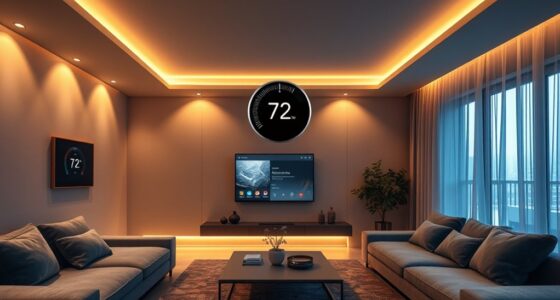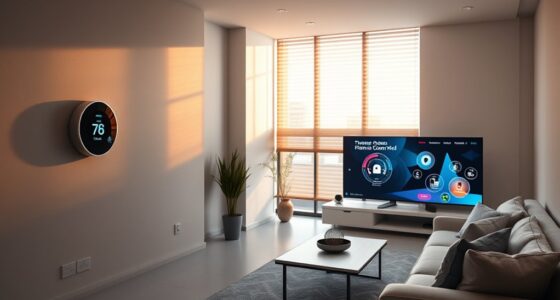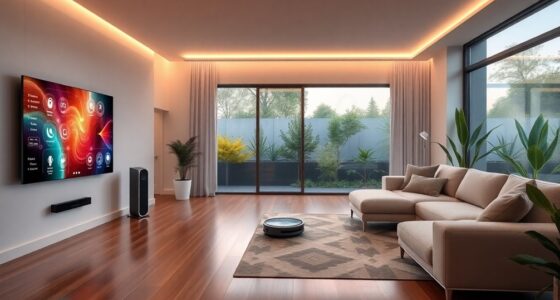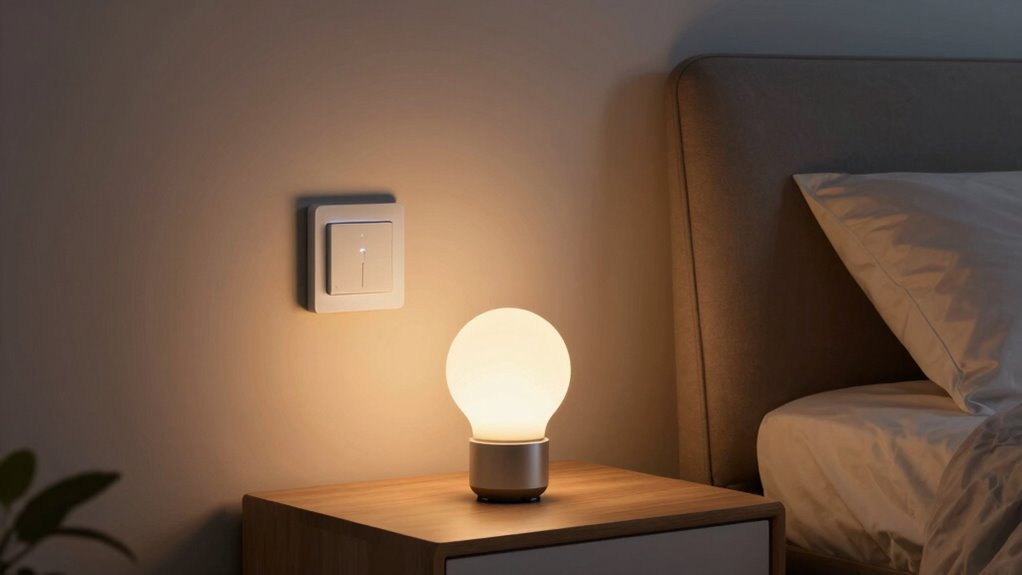

For shared spaces like living rooms or hallways, smart switches make more sense since they control multiple fixtures and integrate with voice assistants for convenience. In bedrooms or areas where mood setting matters, smart bulbs work better because they let you customize color and brightness easily. If you want quick upgrades or rental-friendly solutions, smart bulbs are ideal. To understand how to choose the right option for each room, keep exploring your options.

Get furniture and decor delivered free with Prime
- Fast, free delivery on millions of items
- Prime Video, Amazon Music and more included
- Member-only deals all year
Key Takeaways
- Use smart switches in shared spaces like living rooms for centralized control and automation of multiple fixtures.
- Opt for smart bulbs in bedrooms for customizable lighting, mood setting, and easy upgrades without wiring.
- Smart switches are more energy-efficient for controlling entire fixtures, especially in rooms with multiple lights.
- Smart bulbs suit rental or temporary setups needing quick, non-invasive upgrades with color and brightness options.
- Consider compatibility with existing fixtures and automation systems to determine whether switches or bulbs make more sense per room.
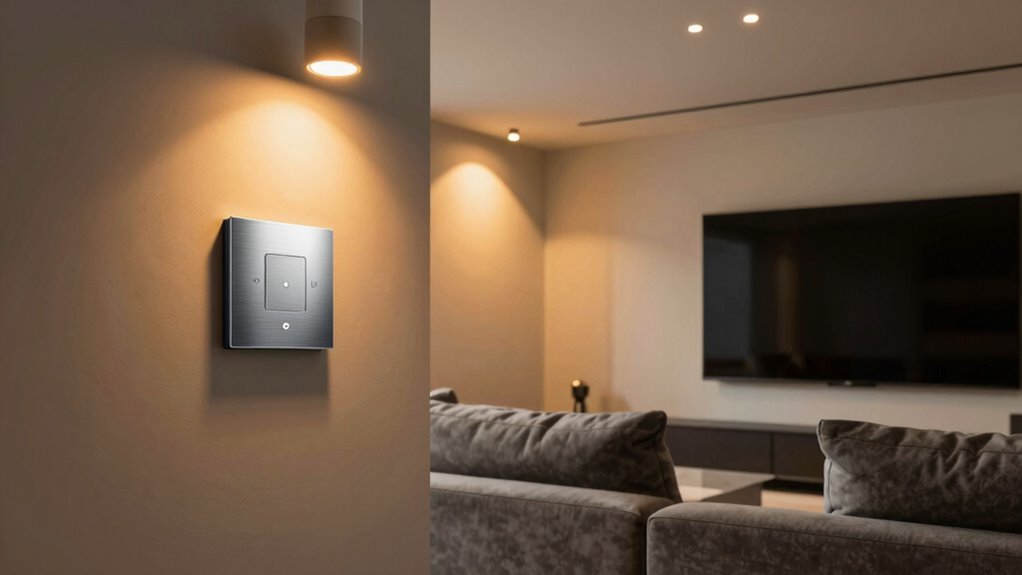
When deciding between smart switches and smart bulbs, understanding how each option enhances your home’s lighting control is essential. Smart switches allow you to control existing fixtures, offering seamless integration with voice control systems like Alexa or Google Assistant. This means you can turn lights on or off with a simple voice command, making it convenient especially when your hands are full. Plus, smart switches often support scheduling and dimming features, which help you customize lighting scenes across multiple rooms. From an energy savings perspective, smart switches can be more efficient because they control entire fixtures, ensuring lights aren’t left on unnecessarily. They also prevent bulbs from burning out prematurely since the switch is responsible for power, rather than relying on individual bulb controls.
Smart switches offer seamless voice control, customizable lighting, and energy efficiency by managing entire fixtures.
In a living room or a shared space, smart switches generally make more sense. They provide a centralized control point for multiple lights or fixtures and help reduce energy waste by automatically turning lights off when not needed. If you want voice control, smart switches typically work with voice assistants to give you hands-free operation, which is especially handy when you’re relaxing or entertaining. They also preserve your existing bulbs, so if you already have stylish or smart bulbs you like, the switch lets you keep them while still gaining smart control. Additionally, smart switches are often compatible with a variety of light types and fixtures, giving you flexibility without needing to replace bulbs frequently. Smart home integration can further enhance your overall automation setup, making your home more responsive to your needs. Incorporating secure and reliable connectivity is crucial for maintaining consistent performance with your smart lighting system. Moreover, choosing the right type of switch can impact your home’s energy efficiency and overall smart home experience. For example, selecting switches with advanced scheduling features can optimize energy use based on your daily routines.
Smart bulbs, on the other hand, are ideal for rooms where you want to add color-changing features or customize lighting without altering the existing switches. They’re perfect for bedrooms or spaces where you want to set a specific mood, since many smart bulbs can change colors and brightness levels. Voice control is straightforward with smart bulbs, allowing you to control individual lamps or fixtures independently. They’re also easy to install—just screw them into your existing sockets—making them a practical choice if you’re renting or prefer a less invasive setup. In terms of energy savings, smart bulbs often come with scheduling and dimming options, helping you reduce energy consumption by automatically adjusting brightness or turning off when not needed.
Furthermore, smart bulbs typically support light customization, providing you with a wide range of ambiance options that can enhance your home’s aesthetic. They’re especially popular for creating dynamic lighting effects or themed environments for holidays and parties. Ultimately, your choice depends on your lifestyle and the rooms’ needs. For high-traffic areas or shared spaces where centralized control and energy efficiency matter most, smart switches usually make more sense. For personalized lighting, ambiance, or quick upgrades without rewiring, smart bulbs shine. Both options support voice control, making your lighting smarter and more convenient. Weighing these factors will help you create a tailored, efficient, and voice-activated lighting setup in your home.
smart light switch with voice control
As an affiliate, we earn on qualifying purchases.
As an affiliate, we earn on qualifying purchases.
Frequently Asked Questions
Can Smart Switches Control Multiple Bulbs Simultaneously?
Yes, smart switches can control multiple bulbs simultaneously. With voice control and remote access, you can easily turn on or off all connected bulbs at once. This makes managing lighting more convenient, especially in large rooms or areas with many fixtures. Keep in mind, some smart switches require compatible bulbs or fixtures, so check your setup to guarantee everything integrates smoothly for seamless control.
Are Smart Bulbs Compatible With All Smart Home Systems?
Smart bulbs are like chameleons—they can blend into most smart home systems, but compatibility varies. You can control them with voice commands and enjoy color customization, making your space lively or cozy. However, some brands work better with specific systems like Alexa or Google Assistant. Always check the manufacturer’s info to guarantee your smart bulbs will sync seamlessly, turning your lighting into a personalized, voice-controlled experience.
Do Smart Switches Require Professional Installation?
Smart switches typically require professional installation because they involve wiring into your electrical system. Once installed, they support voice control and automation integration, making it easy to control lights with commands or apps. If you’re comfortable with electrical work, some DIY options exist, but for safety and proper setup, hiring a professional is recommended. This guarantees your smart switch functions seamlessly with your existing smart home setup.
How Secure Are Smart Switches and Bulbs From Hacking?
While smart switches and bulbs are designed with security in mind, you should stay cautious about privacy concerns. They’re generally secure, but vulnerabilities can exist if firmware updates aren’t timely or if default passwords are used. To keep your smart home safe, regularly update firmware, change default settings, and use strong, unique passwords. Staying proactive helps protect your devices from potential hacking risks, so your home remains a secure haven.
What Is the Energy Consumption Difference Between Switches and Bulbs?
Smart switches typically consume less energy than smart bulbs because they control existing lighting fixtures without adding extra power draw. This makes them more energy-efficient overall, especially when used with LED bulbs. You’ll also find that smart switches offer better device compatibility across various bulb types and fixtures, reducing unnecessary energy use. Choosing smart switches can help you optimize your room’s energy efficiency without sacrificing control or convenience.
Conclusion
Choosing between smart switches and smart bulbs depends on your room’s needs. Think of a cozy living room, where a smart switch controls multiple lamps, creating a warm glow. Or picture a reading nook, with a smart bulb that adjusts brightness for perfect comfort. Sometimes, it’s a simple switch, other times a tailored bulb. Whichever you pick, your smart setup becomes the perfect partner—like a well-orchestrated symphony of light and convenience.
Fall Picks
fall essentials
As an affiliate, we earn on qualifying purchases.