Your flooring choice instantly impacts how your room feels by influencing its visual weight. Dark floors ground the space, making it feel more solid and cozy, while light floors open it up, creating a breezy, spacious vibe. Texture and color contrast also play a big role, adding depth or softness. These elements shape how heavy or light your room seems, transforming the entire atmosphere. Keep exploring to uncover how to use flooring to craft your perfect space.
Key Takeaways
- Flooring color and contrast significantly influence a room’s visual weight, affecting how spacious or grounded it feels.
- Texture variations in flooring add depth, making spaces appear more layered and substantial.
- Dark, textured floors create a sense of anchoring, increasing perceived weight and coziness.
- Light, smooth surfaces produce an airy, open atmosphere, reducing visual weight.
- Cultural and material choices in flooring evoke emotional responses and enhance spatial storytelling.
Have you ever noticed how the choice of flooring can instantly change the feel of a room? It’s not just about the surface beneath your feet; it’s about how that surface influences the entire space’s visual weight. When you select a floor, you’re deciding how much visual “heaviness” or “lightness” the room carries. This isn’t just a matter of aesthetics—it shapes how you perceive the space’s size, comfort, and style.
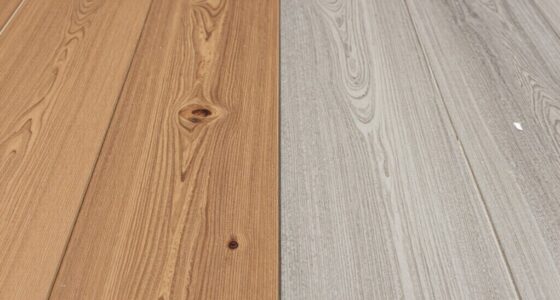
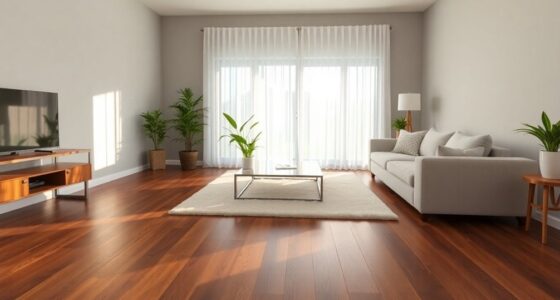
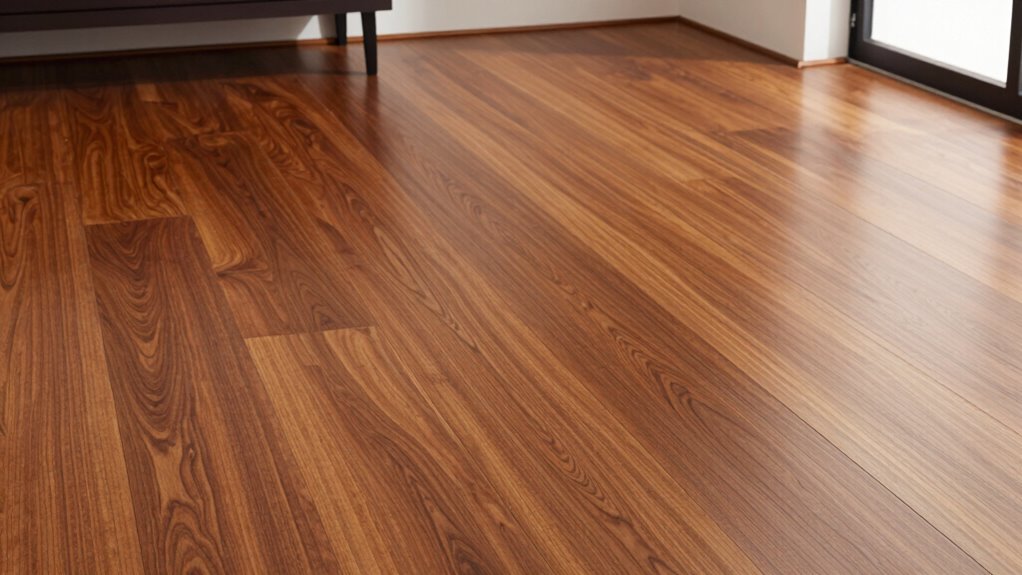
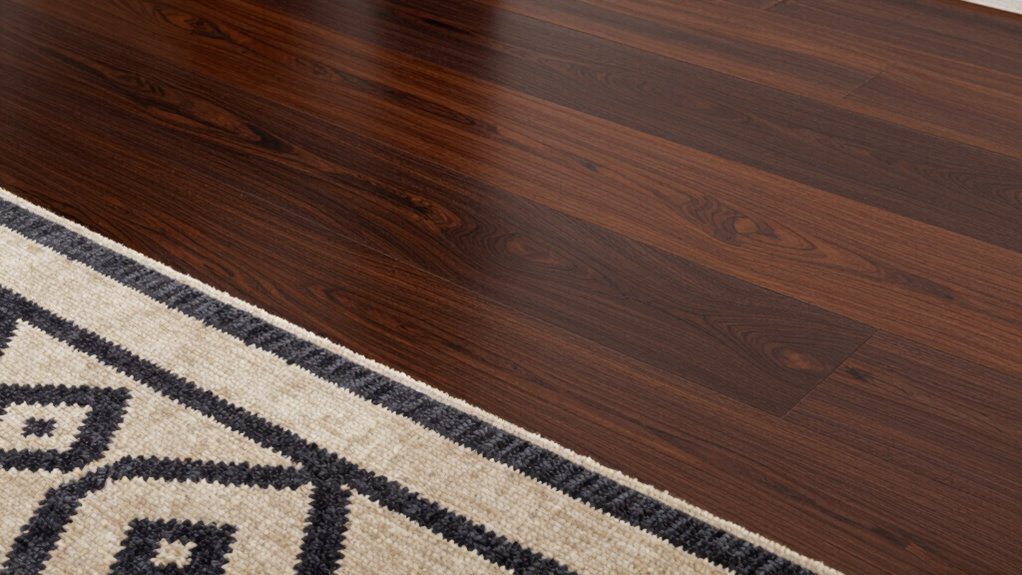
Color contrast plays a vital role in this dynamic. Darker floors tend to add a sense of grounding and solidity, making a room feel more anchored and substantial. Light-colored flooring, on the other hand, can create an airy, spacious atmosphere. But it’s not just about brightness. You also want to contemplate how the floor’s color contrasts with the walls and furniture. High contrast between the floor and other elements increases the room’s visual weight, making it feel more defined and purposeful. Conversely, subtle contrasts give a softer, more open feel, making the space seem larger and less confined.
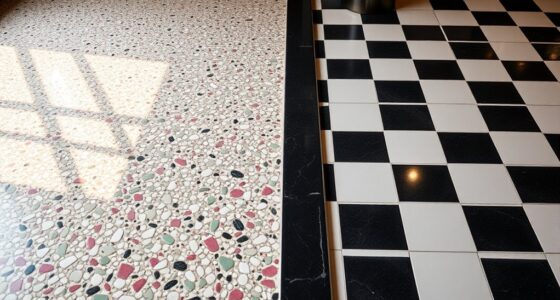
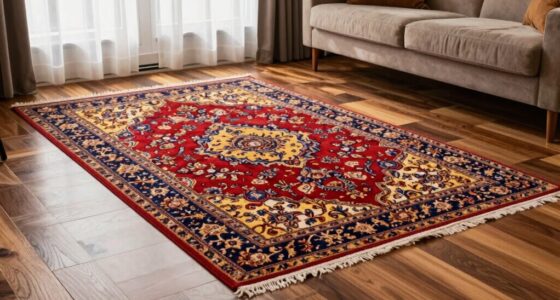
Texture variation is equally important when evaluating visual weight. A smooth, polished surface reflects more light and can give a room a sleek, modern feel, but it might also add to the perceived heaviness if paired with dark colors. Conversely, textured flooring—like rustic wood, patterned tiles, or woven carpets—adds depth and complexity to the space. These textures create visual interest and can make a room feel more layered and substantial. When you combine textured surfaces with contrasting colors, you amplify the room’s sense of weight, anchoring the space with richness and dimension. Incorporating texture variation can significantly influence how the space feels, as it adds tactile and visual interest. Understanding the visual impact of flooring can help you create more balanced and harmonious interiors.
Furthermore, considering the cultural significance of certain textures and materials can deepen the connection between your space and its intended aesthetic or traditional roots. This awareness can enhance the authenticity and emotional resonance of a design.
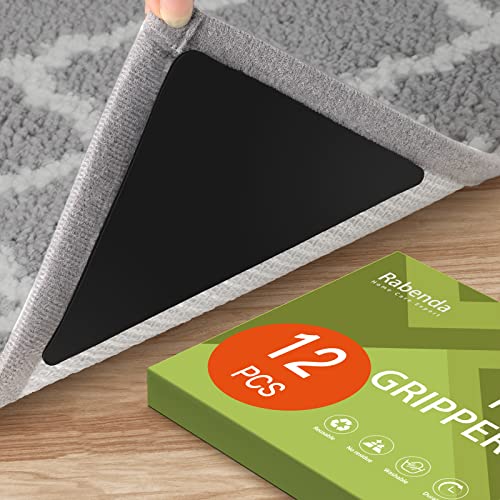
Rabenda Rug Tape Gripper for Hardwood Floors No Damage, 12 Pcs Carpet Tape
- Triangle Design for Better Grip: Maximizes contact surface for strong adhesion
- Invisible and Thin: Maintains flat appearance of rugs
- Reusable and Easy to Clean: No residue, washable with water or alcohol
As an affiliate, we earn on qualifying purchases.
As an affiliate, we earn on qualifying purchases.
Frequently Asked Questions
How Does Lighting Affect Flooring Visual Weight?
Lighting considerably impacts the visual weight of flooring by altering color contrast and lighting intensity. When you increase lighting, lighter floors appear even more airy and spacious, reducing their perceived weight. Conversely, dimmer lighting intensifies shadows and highlights darker tones, making floors seem heavier. Your choice of lighting can thus emphasize or soften the floor’s visual weight, guiding the overall mood and balance of your space.
Can Furniture Placement Change Perceived Flooring Weight?
Think of furniture placement as a painter’s brush, subtly shifting the room’s balance. You can change perceived flooring weight by strategically placing rugs and considering wall color contrast. A large, bold rug can lighten or darken the floor’s visual heft, while contrasting wall colors draw attention upward, making the floor seem lighter. Position your furniture thoughtfully, and you’ll master the art of visual harmony in your space.
Does Flooring Color Influence Visual Weight Perception?
Yes, flooring color influences how you perceive its visual weight. Lighter shades create a sense of openness, making the space feel larger and less dense, while darker colors increase perceived density. The contrast between wall and floor colors also plays a role, affecting overall balance. Additionally, material density impacts this perception; denser materials tend to feel heavier, especially when paired with darker or high-contrast colors, enhancing the room’s visual weight.
How Does Room Size Impact Flooring Weight Perception?
Room size substantially impacts flooring weight perception. In larger spaces, textured flooring with high contrast can seem lighter because the eye distributes focus more evenly, balancing visual weight. Conversely, smaller rooms benefit from denser materials and subtle textures, which add perceived weight without overwhelming. Texture contrast and material density play essential roles, helping you create a balanced look that feels appropriate for the room’s size and avoids a cluttered or too airy feel.
Are Certain Flooring Textures More Visually Heavy Than Others?
Think of textured flooring like a bold painting—some textures feel heavier visually. Rough, highly textured surfaces with strong contrast tend to seem more substantial, while smooth or subtle textures appear lighter. Texture contrast plays a big role in visual weight, and material durability influences the overall perception too. You’ll notice that rugged, durable textures like stone or heavy wood give a room a grounded, weighty feel, compared to sleek, delicate finishes.
Conclusion
By understanding the visual weight of flooring, you hold the brush to paint the mood of your space. It’s like a silent conductor guiding the harmony of your room’s elements, making everything feel balanced or off-kilter without a single word. When you choose flooring thoughtfully, you shape not just the look but the entire atmosphere—transforming your space into a masterpiece where every detail sings. So, trust your eye, and let your flooring set the tone.