
A productive home is built on smarter, integrated systems that streamline your daily routines, rather than just adding more devices. When your devices communicate seamlessly, tasks become easier and more efficient. Smart systems help reduce clutter, save energy, and lower costs by automating heating, lighting, and security. Instead of filling your space with gadgets, focus on thoughtful design that creates a calm, functional environment. Keep exploring to discover how smarter systems can transform your home life.
Key Takeaways
- Smarter systems streamline daily routines, increasing efficiency without cluttering living spaces with unnecessary possessions.
- Integrated technology reduces energy waste and lowers costs through automated, adaptive control of lighting, heating, and appliances.
- Centralized control enhances security, remote monitoring, and customization, creating a safer and more responsive home environment.
- Prioritizing thoughtful design over excess minimizes maintenance, simplifies troubleshooting, and promotes a calm, organized space.
- Better systems support sustainability and future adaptability, making homes more functional, environmentally friendly, and cost-effective.
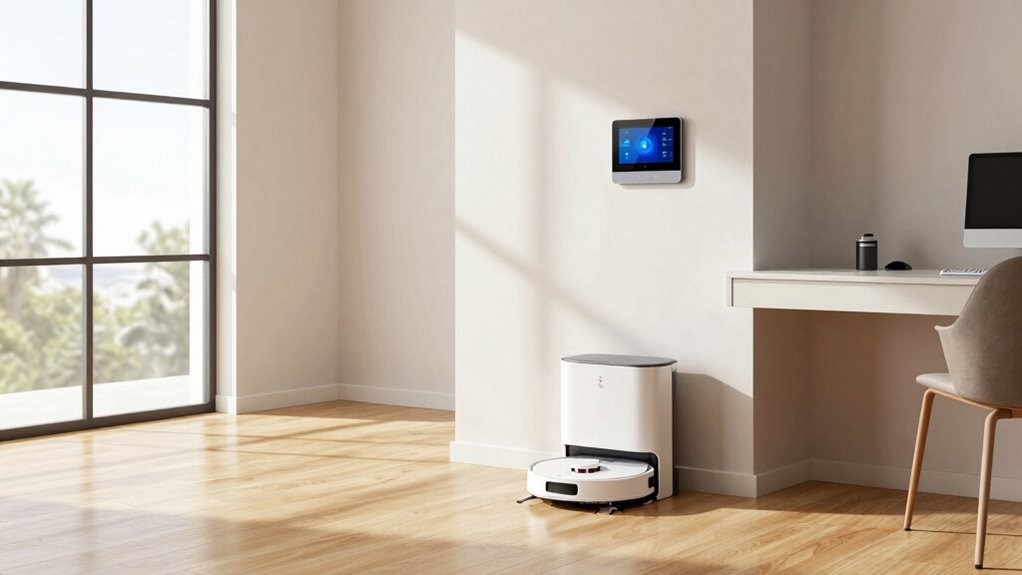
Are you looking for ways to make your home more efficient and comfortable? Simply adding more stuff might seem like a quick fix, but true productivity in your home comes from smarter systems, not more possessions. Embracing smart technology is key to creating a space that works for you, conserving energy, and reducing unnecessary clutter. Instead of filling your home with gadgets that don’t serve a purpose, focus on integrated systems that communicate seamlessly, making daily routines easier and more efficient.
Smart technology transforms your home into a connected environment where devices work together to optimize energy efficiency. For instance, smart thermostats learn your schedule and adjust temperature settings automatically, preventing energy waste. This kind of intelligent system ensures you’re not heating or cooling an empty house, saving you money and reducing your carbon footprint. Similarly, smart lighting responds to your presence and natural light levels, providing illumination only where and when you need it. These systems eliminate the need for multiple switches and lamps cluttering your space, creating a cleaner, more streamlined environment.
Smart devices work together to save energy and create a cleaner, more efficient home environment.
Energy efficiency isn’t just about saving money; it’s about creating a home that minimizes waste. When you install smart systems, you gain control over your energy consumption, which leads to fewer unnecessary appliances running and less waste. For example, smart appliances can be scheduled or remotely controlled, ensuring they operate only when needed. This reduces energy spikes and extends the lifespan of your devices. It’s about working smarter, not harder, and making your home a reflection of thoughtful design rather than excess. Incorporating smart home technology can also improve your home’s overall sustainability by reducing your environmental impact. Additionally, these systems can adapt to your changing needs over time, making your home more future-proof.
Implementing smart home systems can also enhance security and convenience, making your home safer and more responsive to your needs. Moreover, the integration of connected devices can help you monitor and manage your home’s performance from anywhere, giving you greater flexibility and peace of mind. Integrating these systems with home automation platforms allows for even more streamlined and customized control, further enhancing your home’s efficiency.
By integrating these smarter systems, you also free up physical space that would otherwise be taken up by multiple devices or manual controls. This not only declutters your environment but also simplifies maintenance and troubleshooting. Instead of managing a collection of disconnected gadgets, you benefit from centralized control panels or apps that give you real-time insights and adjustments. This approach fosters a home environment that’s both efficient and calming, free from the chaos of unnecessary stuff.
Ultimately, a productive home isn’t built on accumulating more objects; it’s about implementing better systems that enhance functionality and sustainability. Smart technology enables you to create a space that’s tailored to your needs, energy-efficient, and streamlined. When you prioritize these intelligent solutions over clutter, you’re making a conscious choice to live smarter and more sustainably, ensuring your home is truly optimized for comfort and efficiency.

Kasa Smart Plug HS103P4, Wi-Fi Outlet Works with Alexa, Echo, Google Home & IFTTT, No Hub Required, Remote Control, 15 Amp, UL Certified, 4-Pack, White
- Voice Control Compatibility: Works with Alexa and Google Assistant
- Remote Control: Control devices remotely via smartphone
- Scheduling Features: Set timers and schedules for devices
As an affiliate, we earn on qualifying purchases.
As an affiliate, we earn on qualifying purchases.
Frequently Asked Questions
How Do I Start Upgrading My Home Systems Effectively?
To start upgrading your home systems effectively, focus on implementing clear organizational strategies that streamline daily routines. Begin by decluttering your space to determine what truly adds value. Invest in smart home technology or storage solutions that fit your needs. Incorporate your personal style into home decor to make spaces more inviting. Consistently evaluate and adjust your systems, ensuring they serve your lifestyle, making your home more productive and enjoyable.
What Are the Most Cost-Efficient Home System Improvements?
Think of cost-efficient home system improvements like planting seeds for future savings. Start with simple upgrades like smart thermostats and LED lighting to boost energy efficiency. Home automation simplifies control, saving you time and money. Focus on sustainable upgrades such as water-saving fixtures and insulation, which reduce utility bills long-term. These investments are affordable, effective, and make your home smarter, more comfortable, and eco-friendly without breaking the bank.
How Do Better Systems Impact Energy Savings?
Better systems markedly boost energy savings by enhancing energy conservation and enabling system automation. When you install smart thermostats, automated lighting, and energy-efficient appliances, you automatically reduce waste and optimize power use. These systems monitor and adjust energy consumption in real-time, ensuring your home uses just what’s necessary. As a result, you save money on bills and lessen your environmental impact, making your home more efficient and sustainable.
Can Smart Home Systems Improve Daily Productivity?
Smart home systems can definitely boost your daily productivity, acting like a well-oiled machine. They improve automation efficiency by seamlessly integrating technology, so you spend less time managing tasks and more on what matters. With smart automation, your routines become smoother and more reliable, reducing distractions and helping you stay focused. Embracing these systems means you can navigate your day with ease, turning chaos into calm and making your home work for you.
What Maintenance Is Required for Improved Home Systems?
You need to perform regular preventive maintenance on your home automation systems to keep them running smoothly. This includes updating software, checking device connections, and cleaning sensors. Regularly inspecting and troubleshooting your systems helps prevent glitches and guarantees peak performance. By staying proactive with preventive maintenance, you reduce the risk of system failures, extend device lifespan, and maintain your home’s productivity, making your smart home truly efficient and reliable.
Conclusion
Remember, piling up more stuff won’t make your home truly productive—it’s the systems you put in place that count. You might think more gadgets or tools will solve everything, but without efficient organization and smart systems, they’ll just add clutter. Invest in better systems now, and you’ll save time, reduce stress, and create a space that works for you. Quality over quantity truly makes all the difference in turning your home into a productive haven.