To prevent trips and falls, choose flooring options with inherent slip resistance like textured vinyl or rubber, especially in moisture-prone areas. Add anti-slip coatings to hardwood or tile floors, and place low-pile area rugs with non-slip backing where needed. Keep surfaces clean and dry, and guarantee transitions between different flooring types are smooth. Continue exploring different safety measures to make your home safer and minimize fall risks effectively.
Key Takeaways
- Choose flooring materials with inherent slip resistance, like textured vinyl or rubber, especially in moisture-prone areas.
- Use non-slip rugs with anti-slip backing or coatings on existing floors to reduce slipping hazards.
- Maintain smooth, level transitions between different flooring types to prevent tripping.
- Regularly clean and dry floors to avoid slips caused by spills, debris, or moisture buildup.
- Incorporate safety features like anti-slip coatings and secure rugs in high-traffic or hazardous zones.
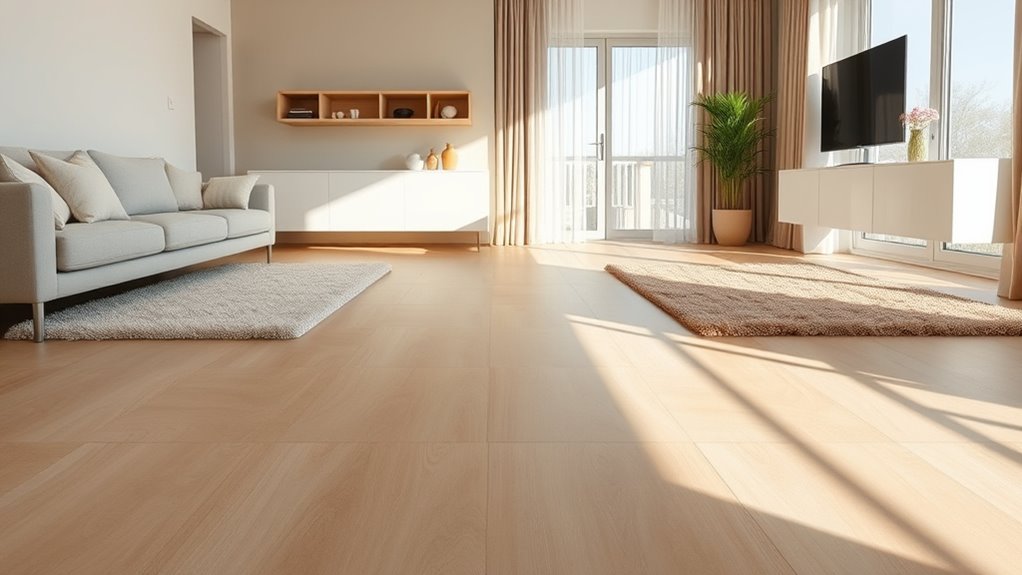
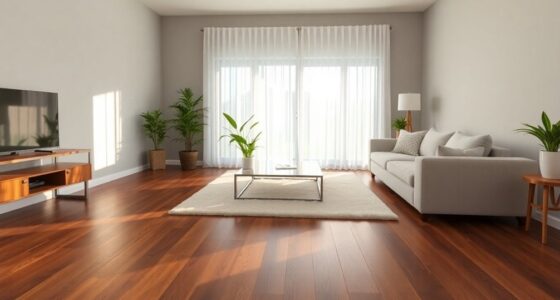
Choosing the right flooring can substantially reduce the risk of trips and falls, especially for seniors or those with mobility challenges. One effective way to improve safety is by adding area rugs in key areas like the living room or bedroom. Opt for rugs with non-slip backing or use anti slip coatings on the underside to prevent them from sliding when you walk on them. These rugs not only add comfort and warmth but also create a visual cue that helps you identify changes in flooring surfaces, reducing the likelihood of missteps. Be mindful of the pile height; low-pile rugs are easier to navigate over and less likely to cause tripping hazards. When placing rugs, ensure they lie flat and are securely anchored to avoid curling edges that could catch your foot.
Another vital aspect of safer flooring involves the application of anti slip coatings directly onto existing surfaces. These coatings are specially formulated to increase traction on hardwood, tile, or laminate floors, making them less slippery when wet or dry. Applying anti slip coatings is a straightforward process that can markedly enhance safety without the need for complete floor replacement. They work well in high-traffic areas like kitchens and hallways, where slips are more common. Regularly inspecting your floors and reapplying anti slip coatings as needed guarantees continued grip and reduces the risk of falls. Additionally, understanding performance tuning principles can help you identify safe modifications that maintain flooring integrity and prevent hazards.
For added safety, consider choosing flooring materials that inherently provide better grip. Textured vinyl or rubber flooring options are naturally slip-resistant and can be installed in areas prone to moisture, such as bathrooms or laundry rooms. These surfaces tend to be more forgiving underfoot and less likely to cause slips, especially when combined with area rugs and anti slip coatings in transitional zones. Additionally, maintaining a clean and dry floor is essential. Spills or accumulated dust and debris can turn even the safest flooring into a hazard. Be proactive by cleaning regularly and addressing messes immediately.
Finally, make certain your entire home has consistent flooring levels to prevent tripping. If you have areas with different flooring types or uneven surfaces, use transition strips or ramped edges to create a smooth transition. This small adjustment, combined with strategic use of area rugs and anti slip coatings, can make a meaningful difference in preventing trips and falls. By paying attention to these details, you’ll create a safer environment that allows you or your loved ones to move confidently and securely throughout your home.

Wood Grain Peel and Stick Vinyl Flooring Roll – 15.7" X 236" Vinyl Flooring Roll,Textured with Waterproof, Slip-Resistant for Bedroom, Living Room
Durable & Warp-Free: Built to last with no deformation, perfect for vinyl flooring roll
As an affiliate, we earn on qualifying purchases.
As an affiliate, we earn on qualifying purchases.
Frequently Asked Questions
How Do I Choose the Best Flooring for Elderly Family Members?
When choosing flooring for elderly family members, you should prioritize safety and comfort. Consider installing textured finishes or adding area rugs in high-traffic areas to reduce slipping hazards. Opt for non-slip, cushioned surfaces like vinyl or cork, which provide traction and support. Avoid smooth, slippery floors like polished tile or hardwood without rugs. Your goal is to create a safe, stable environment that minimizes the risk of falls while maintaining accessibility.
Are There Eco-Friendly Flooring Options That Reduce Trip Hazards?
Of course, eco-friendly flooring always seems so gentle—until you realize some sustainable materials can be slippery. But yes, biodegradable options like cork or bamboo offer eco-conscious choices that also reduce trip hazards with their natural cushioning and grip. These sustainable materials are not only better for the planet but also help keep your family safe. So, you can go green without sacrificing safety or stability underfoot.
What Maintenance Is Required to Keep Flooring Slip-Resistant?
To keep your flooring slip-resistant, you need regular cleaning routines that remove dirt and spills, which can cause slipping. Also, monitor for wear and tear, as damaged surfaces can become hazardous. Use non-slip treatments or mats in high-traffic areas, and promptly repair or replace worn sections. Consistent maintenance guarantees your floors stay safe, reducing the risk of slips and falls in your home.
Can I Install Non-Slip Flooring Over Existing Surfaces?
Yes, you can install non-slip flooring over existing surfaces. Just guarantee proper surface preparation by cleaning thoroughly and repairing any damages. This helps with flooring installation, ensuring the new layer adheres well and functions effectively. Keep in mind, some surfaces may require additional steps like sanding or priming. Doing so will provide a stable, slip-resistant surface, reducing the risk of falls and making your home safer.
How Does Lighting Affect the Safety of Different Flooring Types?
Lighting design plays a vital role in your home’s safety by enhancing visual contrast between flooring and surroundings. Proper, well-placed lighting reduces shadows and highlights textured surfaces, making it easier to see uneven areas or obstacles. Bright, consistent lighting helps you navigate different flooring types confidently, preventing trips and falls. So, invest in good lighting to improve visibility and guarantee your flooring’s safety benefits are fully realized.

AMADA HOMEFURNISHING 8×10 Washable Area Rug, Low-Profile with Non-Slip Backing & Durable Edge Binding, Vintage Large Rugs for Living Room, Bedroom, Dining Room, Blue
Machine Washable: The short pile design of this washable rug is easy to maintain using an upright vacuum…
As an affiliate, we earn on qualifying purchases.
As an affiliate, we earn on qualifying purchases.
Conclusion
Think of your home’s flooring as the sturdy foundation of a ship. When you choose the right material, it keeps you steady through calm and stormy seas alike. By selecting non-slip, even surfaces, you’re anchoring yourself against unexpected slips and trips. So, set your course wisely—your home’s safety depends on it. With the right flooring, you’ll navigate your daily routines smoothly, avoiding rough waters and keeping your journey safe and secure.

Environmental Technology Fiber-Lok Non-skid Backing (16 oz) Anti-Slip Natural Rubber Coating for Kitchen Rugs, Hardwood Floor Mats, Slippers, Runners, Carpets |Non-stain Machine-Washable Area Grippers
STOP SLIDING AREA RUGS: Run, walk or glide across your rugs and carpets with confidence using our Fiber-Lok…
As an affiliate, we earn on qualifying purchases.
As an affiliate, we earn on qualifying purchases.
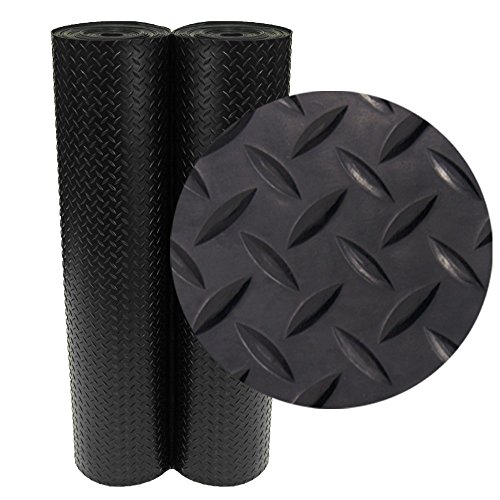
Rubber-Cal Diamond-Plate Rubber Flooring Rolls – 3 mm x 4 ft x 2 ft Rolls – Black
"Diamond-Plate" rubber protector mats will protect floors or industrial equipment
As an affiliate, we earn on qualifying purchases.
As an affiliate, we earn on qualifying purchases.