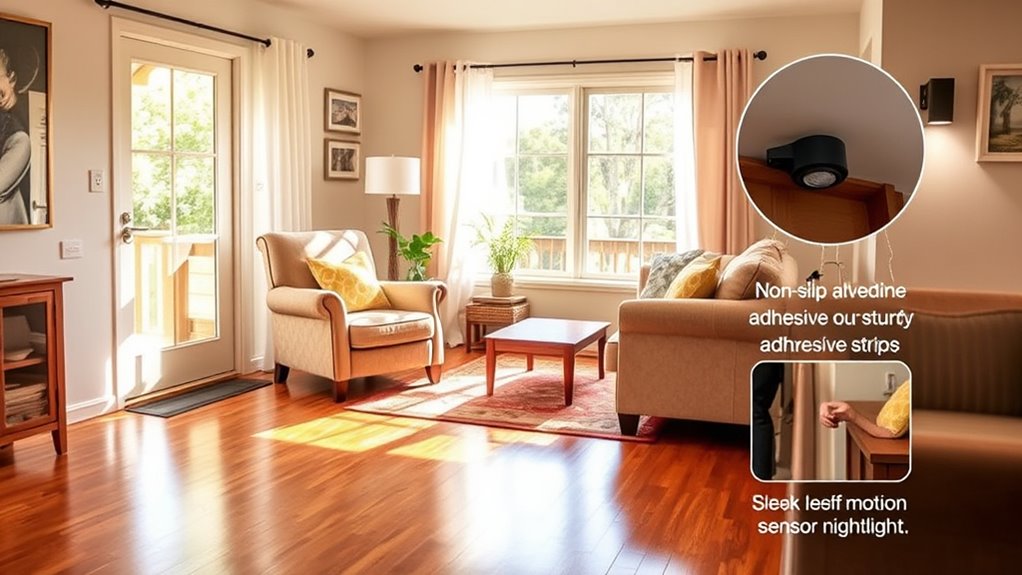

You can make affordable home improvements to support seniors’ independence by adding grab bars, installing simple lighting upgrades, and organizing essential items for easy access. Using inexpensive tools like visual alert doorbells and stocked first aid kits boosts safety without large expenses. Regularly checking smoke detectors and creating clear emergency plans also help. Small, budget-friendly changes make a big difference—you’ll find even more ideas to enhance safety without breaking the bank if you keep exploring.
Key Takeaways
- Install affordable grab bars and non-slip mats in bathrooms to prevent falls.
- Use inexpensive doorbells with visual alerts for hearing-impaired residents.
- Organize medications with budget-friendly pill organizers and set phone reminders for doses.
- Keep emergency supplies and contact lists in accessible, clearly marked locations.
- Regularly check smoke and carbon monoxide detectors with fresh batteries to ensure safety.
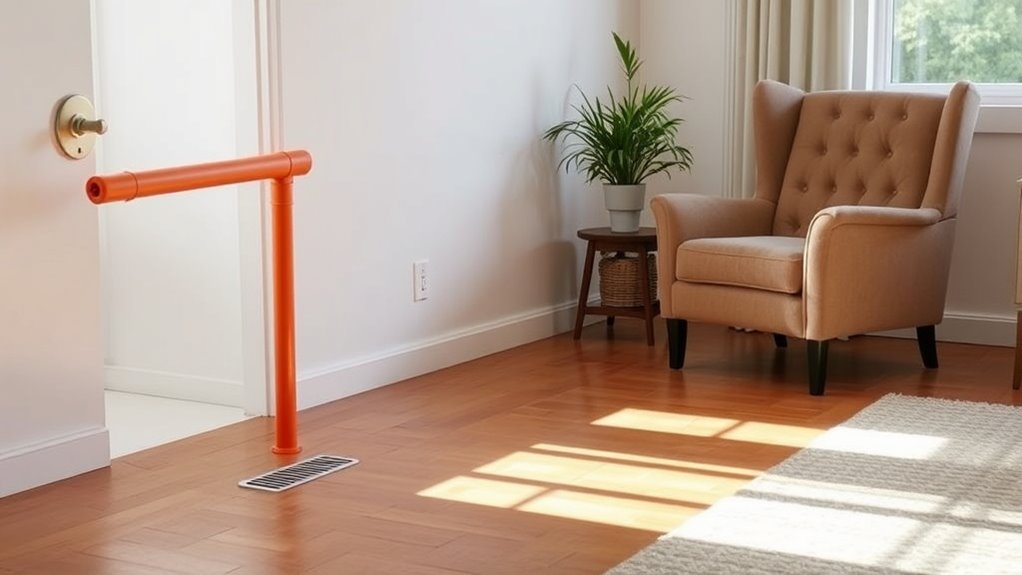
Staying safe doesn’t have to break the bank. With a few thoughtful, budget-friendly changes, you can create a safer home environment that supports independence for seniors. One essential area to focus on is medication safety. As you age, managing medications becomes more complex, and mistakes can lead to serious health issues. To improve medication safety without overspending, consider organizing pills with affordable pill organizers or labeled containers. These tools make it easier to keep track of doses and prevent accidental overdoses or missed doses. You can also set reminders on your phone or use inexpensive alarm clocks to alert you when it’s time to take medication, reducing reliance on memory alone. Regularly reviewing medication routines with your healthcare provider ensures you’re on the right track and helps catch potential issues early.
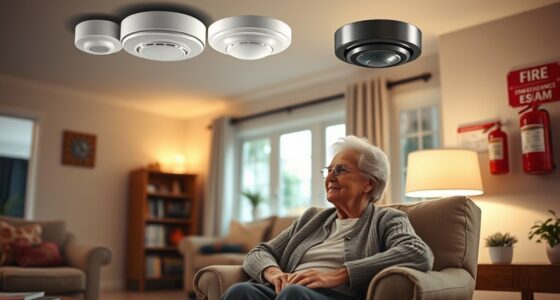
Emergency preparedness is another key aspect of budget-friendly safety. You don’t need fancy equipment to be ready for emergencies. Start by creating a simple plan that includes clear steps to follow during different crises, like fires, power outages, or medical emergencies. Keep essential supplies like bottled water, non-perishable food, a flashlight, batteries, and a first aid kit within easy reach. Store these items in a designated spot so you can access them quickly when needed. Make sure your home has working smoke and carbon monoxide detectors, and check their batteries regularly—these are inexpensive but essential safety tools. Additionally, create a list of emergency contacts, including neighbors, family members, and local services, and keep it visible. If mobility or hearing issues are concerns, consider low-cost modifications like installing inexpensive doorbells with visual alerts or adding grab bars in key areas, which can prevent falls and make emergencies less stressful.
You can also prepare for medical emergencies by keeping a list of medications, allergies, and medical history in an easy-to-find spot. This information is priceless if you need to call emergency services or visit a doctor quickly. Practicing your emergency plan regularly ensures you’re comfortable with the steps to take, making actual emergencies less overwhelming. All these measures emphasize that safety doesn’t have to be costly; with some planning and small investments, you can greatly boost your home’s safety. By focusing on medication safety and emergency preparedness, you’re taking essential steps to maintain independence and peace of mind, all while staying within your budget. In the end, these simple but effective improvements help create a safer environment where you can live confidently, no matter your financial situation.
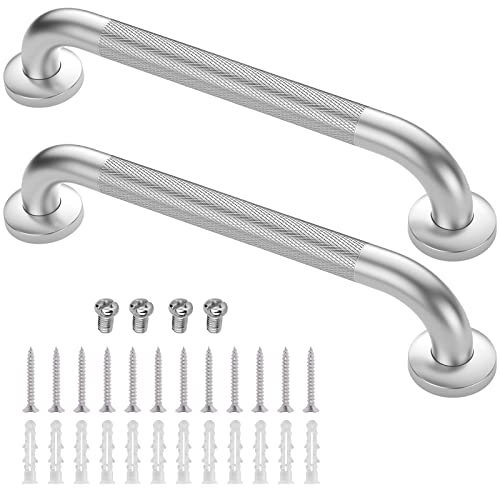
Grab Bars for Shower, 2 Pack 16 Inch Anti-Slip Safety Shower Handle for Senior, Stainless Steel Shower Grab Bars, Handicap Elderly Bathtub and Toilet Bathroom Assist
SUPERB MATERIAL: The shower grab bars for seniors is made of stainless steel which is waterproof, rustproof and…
As an affiliate, we earn on qualifying purchases.
As an affiliate, we earn on qualifying purchases.
Frequently Asked Questions
How Can I Identify the Most Urgent Safety Hazards in My Home?
To identify urgent safety hazards in your home, start by walking through each room carefully. Look for fire hazards like overloaded outlets or unattended candles, and check for clutter that could cause trips. Test smoke alarms and make certain pathways are clear. Addressing these issues helps prevent accidents, making your home safer. Regular inspections and simple clutter reduction can make a big difference in keeping your space secure.
Are There Any Government Grants or Programs for Senior Home Safety Upgrades?
You should explore government grants and safety programs available for seniors. Many local and federal initiatives offer financial assistance to help fund home safety upgrades, like installing grab bars or improving lighting. Check with your state or local aging agencies, or visit official government websites to find programs tailored for seniors. These resources can make essential safety improvements more affordable, helping you or your loved ones maintain independence at home.
What Are Cost-Effective Ways to Improve Lighting in Dimly Lit Areas?
To improve lighting in dim areas cost-effectively, consider installing smart bulbs that you can control remotely or set on timers. These bulbs often cost less than traditional fixtures and can be easily upgraded. Additionally, adding motion sensors is a smart move; they automatically turn lights on when you enter, saving energy and ensuring safety. Both options are affordable and simple to install, making your home safer for seniors.
How Can I Make Bathrooms Safer Without Extensive Renovations?
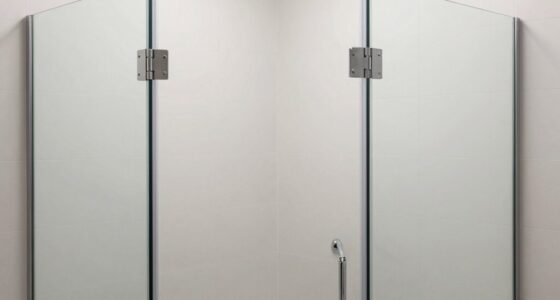
Think of making your bathroom a more secure space by adding simple touches. Installing grab bars in key areas provides steady support, while non-slip mats reduce the risk of falls on wet surfaces. These small, affordable upgrades can make a big difference in safety without the need for extensive renovations. With these changes, you create a safer environment that helps seniors maintain independence and confidence in everyday routines.
What Are Simple Ways to Prevent Falls on Outdoor Walkways?
To prevent falls on outdoor walkways, start by placing non-slip mats in high-traffic areas to provide better traction. You should also install sturdy handrails along the sides of walkways for added support. Keep the pathway clear of debris, and repair any uneven surfaces or cracks. These simple steps make walking safer, especially in wet or icy conditions, helping you stay independent and avoid accidents outdoors.

Blink Chime (newest model) — Real-time, audible alerts you can hear anywhere in your home, easy plug-in installation, works with all Blink doorbells
Hear when someone's there — Blink Chime rings inside your home creating an audible sound when your Blink…
As an affiliate, we earn on qualifying purchases.
As an affiliate, we earn on qualifying purchases.
Conclusion
With a few simple, budget-friendly changes, you can make your home as safe as a fortress, protecting your independence without breaking the bank. Small adjustments like securing rugs or adding grab bars can make a big difference, helping you stay confident and comfortable. Remember, safety doesn’t have to be costly—it’s like planting seeds today for a safer tomorrow. Take these steps now, and enjoy peace of mind knowing you’re creating a secure space to live independently.

OLANLY Bathroom Rugs 30×20, Extra Soft Absorbent Chenille Bath Rugs, Rubber Backing Quick Dry, Machine Washable Bath Mats for Bathroom Floor, Tub and Shower, Home Decor Accessories, Grey
Soft Chenille Comfort — Step onto thousands of soft chenille fibers in our high-pile design the moment you…
As an affiliate, we earn on qualifying purchases.
As an affiliate, we earn on qualifying purchases.

EZY DOSE Push Button (7-Day) Pill Case, Medicine Planner, Daily Vitamin Organizer, 2 Times a Day AM/PM, X-Large Compartments, Arthritis Friendly, Easy to use, Clear Lids, Purple and Blue, BPA Free
AWARD-WINNING DESIGN: Recipient of the Arthritis Foundation Ease-of-Use Commendation for its effortless, push-button opening—perfect for individuals with arthritis…
As an affiliate, we earn on qualifying purchases.
As an affiliate, we earn on qualifying purchases.