A tri-band whole-home mesh Wi-Fi system can extend coverage while giving mesh nodes an extra band for traffic, but the best choice depends on your home size, devices, and internet plan. I name the NETGEAR Orbi 770 Series my best overall pick for buyers seeking a current Wi-Fi 7 system, while the TP-Link Deco XE75 3-Pack stands out as a practical Wi-Fi 6E option and the Tenda Nova MW12 offers a simpler AC-class alternative. The main tradeoffs are newer wireless standards versus cost and device compatibility, plus coverage from extra nodes versus the complexity of managing a larger mesh. A one-, two-, or three-pack can also change the fit as much as the model itself. Read on for the full comparison and advice on choosing the right setup.

Get furniture and decor delivered free with Prime
- Fast, free delivery on millions of items
- Prime Video, Amazon Music and more included
- Member-only deals all year
Complete the kit


Key Takeaways
- Wi-Fi 7 versus Wi-Fi 6E is the biggest platform divide in this lineup: the Orbi 770 and Deco 7 Pro models target newer devices, while the Deco XE75 family offers a Wi-Fi 6E path.
- The Deco XE75 1-, 2-, and 3-packs share a model family but suit different coverage needs; a larger pack is not automatically a better fit for a smaller home.
- The Tenda Nova MW12 is the clear AC-class alternative, but its older wireless generation makes it less suited to buyers seeking a long-term upgrade for newer devices.
- The Deco 7 Pro variants offer several Wi-Fi 7 specifications, so shoppers should compare the exact model and listed capabilities rather than treating the names as interchangeable.
- A router-only or single-node option such as the Deco XE75 Pro may suit an existing mesh or smaller layout, but it does not provide the same multi-node coverage as a complete multi-pack.
| NETGEAR Orbi 770 Series WiFi 7 Mesh System, 3 Pack |  | Best Overall for Large Homes | WiFi standard: WiFi 7 | Frequency bands: Tri-band | Maximum listed speed: Up to 11 Gbps | VIEW ON AMAZON | See Our Full Breakdown |
| Tenda Nova Mesh WiFi System MW12, Tri-Band AC2100, 3-Pack |  | Best Value for WiFi 5 Homes | WiFi standard: WiFi 5 | Frequency bands: Tri-band: 2.4 GHz and two 5 GHz bands | Maximum data rate: 2,100 Mbps | VIEW ON AMAZON | See Our Full Breakdown |
| TP-Link Deco XE75 AXE5400 Tri-Band WiFi 6E Mesh System, 1-Pack | 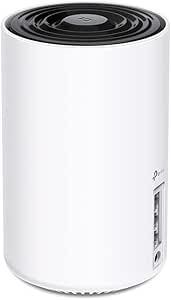 | Best Single-Unit WiFi 6E Entry | WiFi standard: WiFi 6E | Frequency bands: Tri-band: 6 GHz, 5 GHz, and 2.4 GHz | Maximum listed speed: 5,400 Mbps | VIEW ON AMAZON | See Our Full Breakdown |
| TP-Link Deco XE75 AXE5400 Tri-Band WiFi 6E Mesh System, 3-Pack |  | Best for Large WiFi 6E Coverage | WiFi standard: WiFi 6E | Frequency bands: Tri-band | Maximum listed speed: 5,400 Mbps | VIEW ON AMAZON | See Our Full Breakdown |
| TP-Link Deco XE75 AXE5400 Tri-Band WiFi 6E Mesh System, 2-Pack |  | Best Middle-Ground Coverage Kit | WiFi standard: WiFi 6E | Frequency bands: Tri-band: 6 GHz, 5 GHz, and 2.4 GHz | Maximum listed speed: 5,400 Mbps | VIEW ON AMAZON | See Our Full Breakdown |
| TP-Link Deco XE70 Pro AXE4900 Tri-Band WiFi 6E Mesh WiFi System, 3-Pack |  | Best Wi-Fi 6E Pick for Large Homes | Wi-Fi standard: Wi-Fi 6E | Maximum listed speed: Up to 4.9 Gbps | Listed coverage: Up to 7,200 sq. ft. | VIEW ON AMAZON | See Our Full Breakdown |
| Deco 7 Pro BE14000 Tri-Band Wi-Fi 7 Whole Home Mesh System |  | Best for High-Speed Wired Connections | Wi-Fi standard: Wi-Fi 7 | Total bandwidth: 14 Gbps | Listed coverage: Up to 3,100 sq. ft. | VIEW ON AMAZON | See Our Full Breakdown |
| Deco 7 Pro Tri-Band WiFi 7 BE10000 Whole Home Mesh System 6-Stream 10 Gbps |  | Best for Broad Wi-Fi 7 Coverage | Wi-Fi standard: Tri-band Wi-Fi 7 | Maximum listed speed: Up to 10 Gbps | Listed coverage: Up to 7,600 sq. ft. | VIEW ON AMAZON | See Our Full Breakdown |
| TP-Link Deco 7 Pro BE14000 Tri-Band Wi-Fi 7 Whole Home Mesh System |  | Best for Large Homes Needing a 10 Gbps WAN | Wi-Fi standard: Wi-Fi 7 | Total bandwidth: 14 Gbps | Listed maximum speed: Up to 8.647 Gbps | VIEW ON AMAZON | See Our Full Breakdown |
| TP-Link Deco XE75 Pro AXE5400 Tri-Band WiFi 6E Whole Home Mesh Router |  | Best Wi-Fi 6E Pick for Multi-Gig Internet | Wi-Fi standard: Wi-Fi 6E (802.11ax) | Frequency bands: 2.4 GHz, 5 GHz, 6 GHz | Total bandwidth: 5,400 Mbps | VIEW ON AMAZON | See Our Full Breakdown |
| TP-Link Deco 7 Pro BE63 Tri-Band WiFi 7 Whole Home Mesh System |  | Best for Large, Device-Dense Homes | Wi-Fi standard: Wi-Fi 7 (802.11be), also supports 802.11ac, 802.11ax, and 802.11g | Bands: Tri-band | Listed Wi-Fi speed: Up to 10,288 Mbps | VIEW ON AMAZON | See Our Full Breakdown |
| whole home mesh wifi system tri band | Device capacity | Frequency bands | Maximum listed speed | Security |
|---|---|---|---|---|
| NETGEAR Orbi 770 Series WiFi 7 | Up to 100 devices | Tri-band | Up to 11 Gbps | WPA3; optional Armor subscription |
| Tenda Nova Mesh WiFi System MW | 100+ devices | Tri-band: 2.4 GHz and two 5 GHz bands | — | WPA2-PSK |
| TP-Link Deco XE75 AXE5400 Tri- | Up to 200 devices | Tri-band: 6 GHz, 5 GHz, and 2.4 GHz | 5,400 Mbps | TP-Link HomeShield |
| TP-Link Deco XE75 AXE5400 Tri- | — | Tri-band | 5,400 Mbps | — |
| TP-Link Deco XE75 AXE5400 Tri- | — | Tri-band: 6 GHz, 5 GHz, and 2.4 GHz | 5,400 Mbps | — |
| TP-Link Deco XE70 Pro AXE4900 | Up to 200 devices | — | Up to 4.9 Gbps | WPA3, HomeShield Basic |
| Deco 7 Pro BE14000 Tri-Band Wi | Over 200 devices | — | — | — |
| Deco 7 Pro Tri-Band WiFi 7 BE1 | Over 200 devices | — | Up to 10 Gbps | — |
| TP-Link Deco 7 Pro BE14000 Tri | Over 200 devices | — | — | — |
| TP-Link Deco XE75 Pro AXE5400 | Up to 200 devices | 2.4 GHz, 5 GHz, 6 GHz | — | WPA3-Personal; HomeShield features |
| TP-Link Deco 7 Pro BE63 Tri-Ba | — | — | — | TP-Link HomeShield |
More Details on Our Top Picks
NETGEAR Orbi 770 Series WiFi 7 Mesh System, 3 Pack
The Orbi 770 three-pack is the strongest fit here for a large home where coverage and newer client support matter more than keeping the system simple or inexpensive. Its claimed 8,000-square-foot coverage and WiFi 7 support give it more reach and a newer wireless standard than the WiFi 5 Tenda Nova MW12, while its three-unit layout is ready for broader coverage than the single-unit Deco XE75. The listed capacity of up to 100 devices also suits busy households with many connected devices. The tradeoff is that WiFi 7’s headline speed depends on compatible devices and service, and the supplied information does not specify the exact room-to-room backhaul performance. NETGEAR Armor’s fuller security features require a subscription, and the listed warranty is only 30 days, a notable drawback next to TP-Link’s Deco XE75 two-pack warranty information.
Pros:- Three-unit system is specified for coverage up to 8,000 sq ft.
- WiFi 7 supports newer compatible devices and demanding simultaneous activity.
- Listed capacity of up to 100 devices suits connected households.
- Orbi app provides setup and network management.
Cons:- WiFi 7’s benefits are limited for households whose devices use older standards.
- Full Armor security features require a subscription.
- Listed 30-day warranty is short compared with the Deco XE75 two-pack’s stated warranty.
Best for: Owners of large, device-heavy homes who want a three-unit WiFi 7 mesh system and can make use of newer wireless clients.
Not ideal for: Budget-conscious households, homes with mostly older WiFi devices, or buyers who want extended included security and warranty coverage.
- WiFi standard:WiFi 7
- Frequency bands:Tri-band
- Maximum listed speed:Up to 11 Gbps
- Coverage:Up to 8,000 sq ft
- System configuration:3-pack: router and satellites
- Device capacity:Up to 100 devices
- Compatibility:WiFi 6 and WiFi 5 devices
- Security:WPA3; optional Armor subscription
- Ports:7
Our verdict“Choose the Orbi 770 three-pack for a large home ready for WiFi 7, but skip it if subscription security or longer warranty coverage is a priority.”
Tenda Nova Mesh WiFi System MW12, Tri-Band AC2100, 3-Pack
The Tenda Nova MW12 three-pack is the lineup’s practical pick for buyers who want tri-band mesh coverage without moving up to WiFi 6E or WiFi 7. Its 4,000-square-foot coverage and support for more than 100 devices make it a better match for a moderately sized, busy home than the single-unit Deco XE75, while the Deco XE75’s newer 6 GHz band and higher listed speed make that TP-Link a stronger choice for newer, interference-sensitive devices. The MW12’s second 5 GHz band gives the system another band to work with, but its WiFi 5 standard and 2,100 Mbps maximum rate place a clear ceiling on future-facing performance. WPA2-PSK is also an older security standard than the WPA3 options listed for the XE75 models. Choose this one for basic whole-home coverage, not for a high-speed upgrade.
Pros:- Three-unit mesh system is specified for coverage up to 4,000 sq ft.
- Tri-band design includes two 5 GHz bands.
- Supports more than 100 connected devices according to the supplied specifications.
- Three Gigabit ports provide wired connection options.
Cons:- WiFi 5 is older than the WiFi 6E and WiFi 7 standards in other picks.
- Maximum listed data rate of 2,100 Mbps is far below the Deco XE75 and Orbi 770 figures.
- Uses WPA2-PSK rather than the WPA3 security listed for newer alternatives.
Best for: Households with a mix of everyday WiFi devices that want three-node mesh coverage across a home up to about 4,000 sq ft.
Not ideal for: Buyers upgrading to WiFi 6E or WiFi 7, or households that need the newer security and higher listed speeds of the Deco XE75 or Orbi 770.
- WiFi standard:WiFi 5
- Frequency bands:Tri-band: 2.4 GHz and two 5 GHz bands
- Maximum data rate:2,100 Mbps
- Coverage:Up to 4,000 sq ft
- System configuration:3-pack
- Device capacity:100+ devices
- Ports:3 Gigabit ports
- Security:WPA2-PSK
Our verdict“Pick the MW12 if you want a three-node tri-band system for everyday WiFi 5 use, but choose a Deco XE75 or Orbi 770 for a newer wireless standard.”
TP-Link Deco XE75 AXE5400 Tri-Band WiFi 6E Mesh System, 1-Pack
This single Deco XE75 unit offers a way to start with WiFi 6E without buying a multi-unit kit up front. Its 6 GHz band can give compatible devices access to a less congested band than the WiFi 5 Tenda Nova MW12, and TP-Link lists support for up to 200 devices. The important distinction is the package: unlike the three-pack XE75, this listing does not provide the same ready-made whole-home coverage figure or multiple nodes for spreading the signal through a large house. It makes more sense as a starting point for a smaller layout or as part of a system the buyer plans to expand. The listed 5,400 Mbps is a combined system speed figure, not a promise that one device will reach that rate. A modem is still needed for most internet providers.
Pros:- WiFi 6E adds a 6 GHz band for compatible devices.
- Listed maximum speed is 5,400 Mbps.
- Supports up to 200 devices according to the supplied data.
- Deco app setup and management reduce configuration effort.
Cons:- One unit does not provide the multi-node coverage of the three-pack XE75.
- A modem is required for most internet providers.
- The 5,400 Mbps figure is a system maximum, not an expected speed for an individual device.
Best for: People in smaller homes or apartments who want to begin with one WiFi 6E mesh unit and may add coverage later.
Not ideal for: Buyers who need a defined multi-node whole-home setup immediately; the three-pack XE75 provides a stated 7,200 sq ft coverage figure.
- WiFi standard:WiFi 6E
- Frequency bands:Tri-band: 6 GHz, 5 GHz, and 2.4 GHz
- Maximum listed speed:5,400 Mbps
- System configuration:1-pack
- Device capacity:Up to 200 devices
- Security:TP-Link HomeShield
- Compatibility:All major ISPs
Our verdict“Choose this single XE75 when you want a WiFi 6E starting point for a smaller space, and choose the three-pack when you need specified whole-home coverage now.”
TP-Link Deco XE75 AXE5400 Tri-Band WiFi 6E Mesh System, 3-Pack
For buyers who want three WiFi 6E nodes rather than the newer WiFi 7 standard, this Deco XE75 kit offers a clearly stated coverage target: up to 7,200 sq ft. That makes it a more complete large-home solution than the single-unit XE75, while the Orbi 770 three-pack reaches a higher stated 8,000 sq ft and supports WiFi 7. The XE75’s 6 GHz band gives compatible devices another band to use, but the supplied information does not establish that it will outperform WiFi 7 across every home or device mix. Nine listed ports across the system add flexibility for wired equipment, and WPA3-Personal is available. The tradeoffs are its WiFi 6E ceiling, the need for a modem with most providers, and the possibility that advanced settings may take more effort than app-based setup suggests.
Pros:- Three-pack is specified for coverage up to 7,200 sq ft.
- WiFi 6E tri-band includes a 6 GHz band.
- Nine listed ports provide wired connection options across the system.
- Supports WPA3-Personal security.
Cons:- WiFi 6E is an older standard than the WiFi 7 Orbi 770.
- A modem is required for most internet providers.
- Advanced configuration may be more involved for buyers who want only basic settings.
Best for: Owners of large homes who want a three-node WiFi 6E mesh kit with a stated coverage area and wired port options.
Not ideal for: Buyers who want WiFi 7 or the largest stated coverage in this batch; the Orbi 770 three-pack lists 8,000 sq ft and WiFi 7.
- WiFi standard:WiFi 6E
- Frequency bands:Tri-band
- Maximum listed speed:5,400 Mbps
- Coverage:Up to 7,200 sq ft
- System configuration:3-pack
- Ports:9
- Security protocols:WPA3-Personal, WPA2-Personal, WPA-Personal
- RAM:512 MB
- Connectivity:Ethernet and WiFi
Our verdict“Choose the three-pack XE75 for broad WiFi 6E coverage and wired flexibility, but favor the Orbi 770 if WiFi 7 and greater stated coverage matter more.”
TP-Link Deco XE75 AXE5400 Tri-Band WiFi 6E Mesh System, 2-Pack
The two-pack Deco XE75 sits between the single-unit XE75 and the three-pack: it supplies two WiFi 6E nodes and a stated 5,500-square-foot coverage area, without committing to the larger kit’s three units. Its 6 GHz band is a meaningful step beyond the WiFi 5 Tenda MW12 for compatible devices, though the Tenda is also sold as a three-pack and the two systems differ in both generation and coverage claims. Compared with the XE75 three-pack, this kit lists six ports rather than nine and covers less area; in return, it is a more restrained package for homes that do not need the largest reach. The 5,400 Mbps figure remains a maximum system rating, not a per-device guarantee. Buyers should also factor in the modem requirement for most providers and the supplied note about possible compatibility issues with some devices.
Pros:- Two-node kit is specified for coverage up to 5,500 sq ft.
- WiFi 6E tri-band includes a 6 GHz band.
- Six listed ports offer wired connection options.
- Deco app provides system control.
Cons:- Covers less area and has fewer listed ports than the XE75 three-pack.
- WiFi 6E is not as new as the WiFi 7 standard in the Orbi 770.
- A modem is required for most internet providers, and some device compatibility issues are reported in the supplied data.
Best for: Households that need two WiFi 6E mesh nodes and a stated coverage area up to 5,500 sq ft, but do not need a three-pack.
Not ideal for: Owners of very large homes who need the XE75 three-pack’s stated 7,200 sq ft coverage, or buyers seeking WiFi 7.
- WiFi standard:WiFi 6E
- Frequency bands:Tri-band: 6 GHz, 5 GHz, and 2.4 GHz
- Maximum listed speed:5,400 Mbps
- Coverage:Up to 5,500 sq ft
- System configuration:2-pack
- Ports:6
- Security protocols:WPA3, WPA2, and WPA-Personal
- Control method:App
- Warranty and support:2-year warranty plus 1-year support
Our verdict“Pick the two-pack XE75 for medium-to-large homes that need WiFi 6E across two nodes, and step up to the three-pack if its extra coverage is needed.”
TP-Link Deco XE70 Pro AXE4900 Tri-Band WiFi 6E Mesh WiFi System, 3-Pack
The Deco XE70 Pro 3-pack is the clearest fit here for a large home that needs broad coverage without moving to Wi-Fi 7. Its listed coverage reaches up to 7,200 sq. ft., and the 6 GHz band gives compatible devices another lane for reducing congestion. Compared with the Deco XE75 Pro, this package claims much broader coverage, while the XE75 Pro lists a 2.5 Gbps WAN port and a smaller 2,900-square-foot area. The XE70 Pro also offers wired backhaul, useful when a cable can connect units and reduce dependence on wireless links. The tradeoffs are its older Wi-Fi 6E standard, app-based setup, and limited detail about the individual ports. Choose it for reach and device capacity, not the newest wireless generation or the clearest port specifications.
Pros:- Listed coverage of up to 7,200 sq. ft. from a three-unit package
- Tri-band Wi-Fi 6E includes a 6 GHz band for compatible devices
- Supports up to 200 devices and offers wired backhaul
- Nine ports in total, including a 2.5 Gbps LAN port
Cons:- Wi-Fi 6E is an older generation than the Wi-Fi 7 Deco 7 Pro models
- Setup and management require the Deco app
- The supplied specifications do not explain the full port layout
Best for: Households with a large floor plan, many connected devices, and Wi-Fi 6E clients that want a three-unit system without requiring Wi-Fi 7.
Not ideal for: Buyers with Wi-Fi 7 devices who want the newest standard, or shoppers who need detailed port configurations before purchasing.
- Wi-Fi standard:Wi-Fi 6E
- Maximum listed speed:Up to 4.9 Gbps
- Listed coverage:Up to 7,200 sq. ft.
- Units:3
- Device capacity:Up to 200 devices
- Ports:9 total, including a 2.5 Gbps LAN port
- Security:WPA3, HomeShield Basic
- Backhaul:Wired backhaul supported
Our verdict“Pick the XE70 Pro when broad listed coverage matters more than Wi-Fi 7 or detailed port documentation.”
Deco 7 Pro BE14000 Tri-Band Wi-Fi 7 Whole Home Mesh System
The Deco 7 Pro BE14000 pairs Wi-Fi 7 with a standout 10 Gbps WAN port, making it a strong match for buyers building around very fast wired internet or network equipment. Its listed wireless bandwidth reaches 14 Gbps, and support for over 200 devices gives busy households room for streaming, gaming, and smart-home gear. Compared with the Deco 7 Pro BE10000, this model lists a higher total bandwidth and a 10 Gbps WAN connection, but its stated coverage is only 3,100 sq. ft., far below that model’s 7,600 sq. ft. figure. That makes placement and home size central to the choice. Wi-Fi 7 benefits also depend on compatible client devices, and its larger chassis needs space. Choose this version for multi-gig wired capacity rather than broadest coverage.
Pros:- Wi-Fi 7 with listed total bandwidth of 14 Gbps
- 10 Gbps WAN port supports high-speed wired internet connections
- Additional 2.5 Gbps WAN/LAN port and USB 3.0 port
- Supports over 200 devices
Cons:- Listed coverage is up to 3,100 sq. ft., less than the BE10000 model’s stated 7,600 sq. ft.
- Wi-Fi 7 speeds require compatible client devices to take full advantage
- The listed dimensions may make discreet placement harder
Best for: Tech-forward households with a multi-gig internet plan, wired network gear, Wi-Fi 7 clients, and a home within the listed coverage area.
Not ideal for: Owners of large or spread-out homes who need the widest listed coverage, or households whose devices are mostly Wi-Fi 6E or older.
- Wi-Fi standard:Wi-Fi 7
- Total bandwidth:14 Gbps
- Listed coverage:Up to 3,100 sq. ft.
- Device capacity:Over 200 devices
- WAN port:1 x 10 Gbps
- Additional network port:1 x 2.5 Gbps WAN/LAN
- USB:1 x USB 3.0
- Dimensions:4.23 × 4.23 × 6.93 inches
Our verdict“Choose this BE14000 when its 10 Gbps WAN port matters more than the broader coverage listed for the BE10000.”
Deco 7 Pro Tri-Band WiFi 7 BE10000 Whole Home Mesh System 6-Stream 10 Gbps
For a large property where newer wireless features and wide listed reach are both priorities, the Deco 7 Pro BE10000 makes the strongest coverage case in this group: up to 7,600 sq. ft. and support for over 200 devices. Its Wi-Fi 7 platform and four 2.5G WAN/LAN ports also give wired devices several multi-gig connection options. Compared with the BE14000 Deco 7 Pro, the BE10000 lists far greater coverage, while the BE14000 specifies a 10 Gbps WAN port and higher total bandwidth. That difference favors the BE10000 for sprawling homes and distributed wired gear, rather than buyers chasing the highest listed bandwidth figure. Actual reach can change with walls and node placement, and a separate modem is needed for internet service. Its broad coverage claim is the draw, not a guarantee of performance in every layout.
Pros:- Listed coverage reaches up to 7,600 sq. ft.
- Tri-band Wi-Fi 7 supports over 200 devices
- Four 2.5G WAN/LAN ports provide multiple wired connection options
- USB 3.0 port included
Cons:- Requires a separate modem for internet service
- Coverage and performance can vary with walls and node placement
- Its listed maximum bandwidth is lower than the 14 Gbps figure for the BE14000 model
Best for: Owners of large homes who want a Wi-Fi 7 mesh system, many device connections, and multiple multi-gig wired ports.
Not ideal for: Buyers whose priority is a 10 Gbps WAN port or a system sized for a smaller home; the BE14000 has the more prominent WAN specification, while Wi-Fi 6E models may be a better fit for older devices.
- Wi-Fi standard:Tri-band Wi-Fi 7
- Maximum listed speed:Up to 10 Gbps
- Listed coverage:Up to 7,600 sq. ft.
- Device capacity:Over 200 devices
- Network ports:Four 2.5G WAN/LAN ports
- USB:USB 3.0
- Supported standards:802.11be, 802.11ax, 802.11ac, 802.11g
- Modem:Separate modem required
Our verdict“Choose the BE10000 if broad listed Wi-Fi 7 coverage and several 2.5G wired ports matter more than a 10 Gbps WAN port.”
TP-Link Deco 7 Pro BE14000 Tri-Band Wi-Fi 7 Whole Home Mesh System
This Deco 7 Pro BE14000 suits buyers who want Wi-Fi 7 across a sizeable home without giving up a 10 Gbps WAN port for a fast internet connection. Its listed coverage is up to 6,000 sq. ft., and it supports over 200 devices, putting it between the 3,100-square-foot BE14000 listing and the 7,600-square-foot BE10000 in the supplied coverage figures. The BE10000 may be a better match when broadest stated coverage and four 2.5G ports are the priority; this model instead pairs a wider stated area than the other BE14000 entry with a 10 Gbps WAN port. The product data lists total bandwidth at 14 Gbps and a separate maximum speed of 8.647 Gbps, so those figures describe different claims rather than interchangeable measures. ISP compatibility and setup complexity deserve attention before choosing.
Pros:- Listed coverage up to 6,000 sq. ft.
- Wi-Fi 7 with support for over 200 devices
- Includes a 10 Gbps WAN port and a 2.5 Gbps WAN/LAN port
- USB 3.0 port included
Cons:- Setup may be challenging for buyers unfamiliar with networking
- Internet service and equipment must be compatible with the system
- Product data gives both 14 Gbps total bandwidth and an 8.647 Gbps maximum speed, which can be easy to confuse
Best for: Large-home households with Wi-Fi 7 devices, many connected clients, and an internet plan or wired setup that can use a 10 Gbps WAN port.
Not ideal for: Buyers who need a straightforward setup with minimal networking knowledge, or who prefer the BE10000’s listed 7,600-square-foot coverage and four 2.5G ports.
- Wi-Fi standard:Wi-Fi 7
- Total bandwidth:14 Gbps
- Listed maximum speed:Up to 8.647 Gbps
- Listed coverage:Up to 6,000 sq. ft.
- Device capacity:Over 200 devices
- WAN port:1 x 10 Gbps
- Additional network port:1 x 2.5 Gbps WAN/LAN
- USB:1 x USB 3.0
Our verdict“Pick this BE14000 if you need a 10 Gbps WAN port and more listed coverage than the other BE14000 entry, but do not need the BE10000’s larger stated area.”
TP-Link Deco XE75 Pro AXE5400 Tri-Band WiFi 6E Whole Home Mesh Router
The Deco XE75 Pro is a sensible choice for a smaller home with a multi-gig internet plan and Wi-Fi 6E devices. Its 2.5 Gbps WAN port can accept a faster incoming connection than a standard gigabit port, while tri-band Wi-Fi adds 6 GHz for compatible devices. Compared with the three-unit Deco XE70 Pro, this listing covers a more modest 2,900 sq. ft., so it is better suited to a tighter footprint than a large or multi-floor property. It also lists two 1 Gbps LAN ports, which limits wired speeds for devices connected there. The app-based setup and HomeShield features keep management approachable, but the listed basic firewall level may leave buyers wanting more behind a premium subscription. It trades expansive coverage and Wi-Fi 7 for a focused 6E setup with multi-gig WAN.
Pros:- 2.5 Gbps WAN port supports multi-gig internet plans
- Tri-band Wi-Fi 6E includes a dedicated 6 GHz band
- Supports up to 200 devices
- Deco app management and HomeShield security features
Cons:- Listed coverage is 2,900 sq. ft., well below the XE70 Pro 3-pack’s stated area
- Two 1 Gbps LAN ports limit wired speeds for connected devices
- Advanced firewall features may require a premium subscription
Best for: People in smaller homes with a multi-gig internet plan, Wi-Fi 6E devices, and a preference for app-based mesh management.
Not ideal for: Households needing coverage beyond the listed 2,900 sq. ft., a multi-unit package, or 10 Gbps WAN and Wi-Fi 7 capabilities.
- Wi-Fi standard:Wi-Fi 6E (802.11ax)
- Frequency bands:2.4 GHz, 5 GHz, 6 GHz
- Total bandwidth:5,400 Mbps
- Listed coverage:2,900 sq. ft.
- Device capacity:Up to 200 devices
- WAN port:1 x 2.5 Gbps
- LAN ports:2 x 1 Gbps
- Security:WPA3-Personal; HomeShield features
Our verdict“Choose the XE75 Pro for a smaller home where a 2.5 Gbps WAN and Wi-Fi 6E matter more than Wi-Fi 7 or expansive mesh coverage.”
TP-Link Deco 7 Pro BE63 Tri-Band WiFi 7 Whole Home Mesh System
The Deco 7 Pro BE63 is the strongest fit here for households that need broad coverage and room for many connected devices. Its stated coverage reaches 5,800 sq. ft., and support for over 200 devices suits busy smart homes better than a basic tri-band system such as the Tenda Nova MW12. Wi-Fi 7 and speeds listed up to 10,288 Mbps also give compatible devices more headroom for demanding streaming and gaming, while four 2.5G WAN/LAN ports provide useful wired connections for a desktop, console, or network storage. Compared with the Wi-Fi 6E Deco XE75, this model offers a newer wireless standard and faster stated speeds. The tradeoff is that its advanced feature set may be more than a smaller household needs, setup can challenge less technical users, and some HomeShield features may require a subscription. It also needs a separate modem for internet service.
Pros:- Stated coverage of up to 5,800 sq. ft. suits larger homes
- Supports over 200 devices, fitting dense smart-home setups
- Wi-Fi 7 with listed speeds up to 10,288 Mbps
- Four 2.5G WAN/LAN ports plus USB 3.0 offer flexible wired connectivity
Cons:- Requires a separate modem for internet access
- App-based setup may be challenging for less technical users
- Some HomeShield features may require a subscription
Best for: Large households with many smart-home devices, Wi-Fi 7 clients, and wired equipment that can use 2.5G ports.
Not ideal for: Small homes with a modest number of devices or buyers who want a simple plug-and-play setup without optional security subscriptions.
- Wi-Fi standard:Wi-Fi 7 (802.11be), also supports 802.11ac, 802.11ax, and 802.11g
- Bands:Tri-band
- Listed Wi-Fi speed:Up to 10,288 Mbps
- Coverage:Up to 5,800 sq. ft.
- Device support:Over 200 devices
- Ports:Four 2.5G WAN/LAN ports and USB 3.0
- Security:TP-Link HomeShield
- Setup:TP-Link Deco app
Our verdict“Choose the BE63 if you need Wi-Fi 7 coverage for a large, device-heavy home and can make use of its multi-gigabit ports.”

How We Picked
I compared these systems by how well their wireless generation, tri-band design, and pack size line up with real household needs. I gave more weight to models that can serve buyers with current devices and a clear whole-home coverage plan, while also noting when an older Wi-Fi generation or a single-node configuration may be a better fit for a narrower use case. A higher advertised class number alone did not determine placement.
The ranking also reflects setup flexibility, upgrade headroom, and the risk of buying more system than a home needs. The Orbi 770 leads as a modern three-node Wi-Fi 7 choice; the Deco XE75 three-pack ranks strongly as a more accessible Wi-Fi 6E mesh option, with its one- and two-pack counterparts useful for smaller layouts. Wi-Fi 7 Deco 7 Pro models follow for buyers comparing specific performance tiers, while the Tenda MW12 and single-node XE75 Pro serve more particular needs. Similar or duplicate product listings are treated as distinct only where their stated specifications or configurations differ.
| whole home mesh wifi system tri band | Security | Wi-Fi standard |
|---|---|---|
| NETGEAR Orbi 770 Series WiFi 7 | WPA3; optional Armor subscription | — |
| Tenda Nova Mesh WiFi System MW | WPA2-PSK | — |
| TP-Link Deco XE75 AXE5400 Tri- | TP-Link HomeShield | — |
| TP-Link Deco XE75 AXE5400 Tri- | — | — |
| TP-Link Deco XE75 AXE5400 Tri- | — | — |
| TP-Link Deco XE70 Pro AXE4900 | WPA3, HomeShield Basic | Wi-Fi 6E |
| Deco 7 Pro BE14000 Tri-Band Wi | — | Wi-Fi 7 |
| Deco 7 Pro Tri-Band WiFi 7 BE1 | — | Tri-band Wi-Fi 7 |
| TP-Link Deco 7 Pro BE14000 Tri | — | Wi-Fi 7 |
| TP-Link Deco XE75 Pro AXE5400 | WPA3-Personal; HomeShield features | Wi-Fi 6E (802.11ax) |
| TP-Link Deco 7 Pro BE63 Tri-Ba | TP-Link HomeShield | Wi-Fi 7 (802.11be), also supports 802.11ac, 802.11ax, and 802.11g |
Factors to Consider When Choosing Whole Home Mesh Wifi System Tri Band
Before choosing a system, I would match the mesh design to the home rather than buy by wireless generation alone. These factors can help prevent paying for unused capacity or ending up with weak coverage despite a high-spec router.
Match the mesh pack to the floor plan
Square footage is only a rough guide because wall materials, floors, and node placement change how far a signal travels. Dense walls, long layouts, and multiple levels can call for more nodes than an open plan of the same size. At the same time, adding nodes without a placement plan can create overlapping coverage rather than fixing a dead zone. Start by locating the modem and the areas where service drops, then choose a pack that lets you place nodes between them. If your layout is compact, a one- or two-unit configuration may be easier to position than a three-pack. Check the manufacturer’s coverage guidance, but treat it as a starting estimate rather than a guarantee.
Choose Wi-Fi 6E or Wi-Fi 7 based on your devices
Wi-Fi 7 has more upgrade headroom, but newer standards help most when your phones, computers, and other clients can use them. Wi-Fi 6E adds access to the 6 GHz band for compatible devices, while older devices continue to connect using supported bands. A newer router will not make a Wi-Fi 5 device behave like a Wi-Fi 7 one. List the devices that matter most before paying for a newer generation, and check whether they support 6 GHz or Wi-Fi 7. If most of your household devices are older, a well-matched Wi-Fi 6E system may be a more sensible choice. Consider the expected lifespan of the system as well as what you own today.
Understand what the third band does in your home
Tri-band does not mean every device gets three times the speed. A third band can give mesh traffic or compatible client devices more room, but its benefit depends on the system’s design and how its nodes communicate. If the satellites connect wirelessly, the extra band may help reduce competition between traffic moving through the mesh and traffic from household devices. A wired Ethernet connection between nodes can change that balance, since the backhaul no longer relies solely on Wi-Fi. Check the manufacturer’s description of band use instead of assuming every tri-band model works the same way. Also remember that walls, interference, and client hardware can limit results even when the router has ample capacity.
Check ports and wired-backhaul needs
Ethernet ports can matter as much as wireless speed if you have a desktop, smart TV, game console, or wired access point. Wired backhaul can help nodes communicate without using wireless capacity, particularly in homes with existing Ethernet cabling. Before buying, check the port count and supported port speeds on the exact model and unit, since listings within one product family may differ. Think through where the modem, main node, and satellites will sit; a port on a node is useful only if it is accessible where needed. If your home has no Ethernet wiring, prioritize a layout that can place nodes with a strong connection to one another. Avoid paying for high-speed ports unless your internet service or local network can make use of them.
Separate internet speed from Wi-Fi system capacity
A mesh system cannot make an internet plan faster than its provider connection, though it can improve the signal reaching rooms that currently get poor service. High-capacity Wi-Fi can still help when many devices share the network or when transferring files between local devices, but the advertised wireless class is not a promise of real-world internet speed. Compare the system’s wired ports with your plan and equipment, then check which client devices can take advantage of its wireless features. For a modest connection and a few everyday devices, a flagship Wi-Fi 7 system may add little practical value. For a fast plan shared across many capable devices, extra capacity may be more useful. Base the purchase on bottlenecks you actually have, not the largest number in a product name.
Plan for setup, management, and future expansion
Easy setup and clear controls matter after installation, especially if you expect to add nodes, manage guest access, or troubleshoot devices. Before choosing a brand, check how its app handles setup, firmware updates, parental controls, and network monitoring, along with whether any features require a subscription. Do not assume that mesh nodes from different manufacturers can join the same network; compatibility is usually tied to a product family or ecosystem. If you may expand later, verify which models can work together and whether mixing generations limits features. A simple system may be preferable for a household that wants stable coverage without frequent adjustments. Buyers who want advanced controls should confirm those tools are available on the exact model rather than relying on general brand claims.
Frequently Asked Questions
Should I choose a Wi-Fi 7 mesh system or a Wi-Fi 6E one?
I would choose based on the devices you plan to use during the system’s lifespan, not just the newer standard’s name. Wi-Fi 7 makes more sense when you already own, or expect to add, compatible devices and want more upgrade headroom. Wi-Fi 6E can be a strong fit when you want 6 GHz support but do not need every newer capability. Both standards still have to work with older clients, which will connect using their supported Wi-Fi generation. If your internet plan and devices are not near the limits of a Wi-Fi 6E system, the newer platform may bring less day-to-day benefit than a well-placed mesh.
Is a three-pack always better than a one- or two-pack?
No: more nodes are useful only when they improve coverage in parts of the home that need it. In a smaller or open layout, a third node may add little and can be harder to position well. Multi-level homes or layouts with difficult walls may benefit from extra nodes, but placement still matters more than simply filling every room with hardware. Compare the pack options for the same model family and think about where each unit would sit. If you are unsure, check whether the system supports adding a compatible node later, and confirm which models can be mixed.
Will a tri-band mesh system improve Wi-Fi for older devices?
Older devices can connect to a compatible mesh network, but they will not gain features their own Wi-Fi hardware does not support. The third band may still help the network handle traffic, depending on how the system assigns bands and manages communication between nodes. That does not guarantee a faster connection for an older phone or laptop. Weak coverage can improve when a mesh node brings a stronger signal closer to the device, which is separate from the device’s maximum speed. Check the system’s band-management details and focus on whether coverage, not client speed, is your main problem.
Can I use these systems with Ethernet backhaul?
Many mesh systems support wired connections between nodes, but support and port arrangements vary by model. Check the exact product documentation before buying, particularly if you need a specific port speed or plan to connect several wired devices. Wired backhaul can reduce the amount of mesh traffic carried over Wi-Fi and may be useful in a larger home. It does not fix poor placement or a slow connection between your modem and the main router. If your home has Ethernet wiring, plan which nodes can connect before selecting a pack. If it does not, choose a layout where each wireless node can maintain a reliable link to the rest of the mesh.
Can I add a Deco node to an existing Deco mesh or mix models?
Some Deco models can work together, but compatibility and feature support depend on the exact models. Do not assume every unit with the Deco name will deliver the same performance or use all available bands when mixed. Check TP-Link’s current compatibility information for the specific model numbers, then confirm whether the added node will support your desired Wi-Fi generation and features. A mismatched node may still extend coverage but could limit performance in part of the network. If you are building a new system, choosing matching units is the simpler route; if you are expanding, verify compatibility before relying on a product listing’s family name.
Conclusion
For a modern three-node setup, I recommend the NETGEAR Orbi 770 Series as best overall, while the TP-Link Deco XE75 3-Pack is my best value-style Wi-Fi 6E choice for buyers who do not need Wi-Fi 7. The Deco 7 Pro Wi-Fi 7 models suit buyers seeking a premium newer-generation platform, but compare their exact specifications before choosing between listings. For beginners, I would start with the Deco XE75 pack that matches the home’s layout rather than buying extra nodes by default. The Tenda Nova MW12 is a specific-fit choice for shoppers who want an AC-class tri-band mesh, while the Deco XE75 Pro single unit makes more sense for an existing mesh or a limited coverage need than as a whole-home multi-node solution. My final check would be pack size, node placement, and client compatibility—not the largest advertised wireless number.
Fall Picks

eufy Security Essential Alarm System, 7-Piece
As an affiliate, we earn on qualifying purchases.