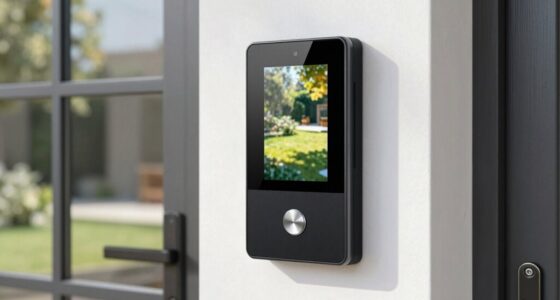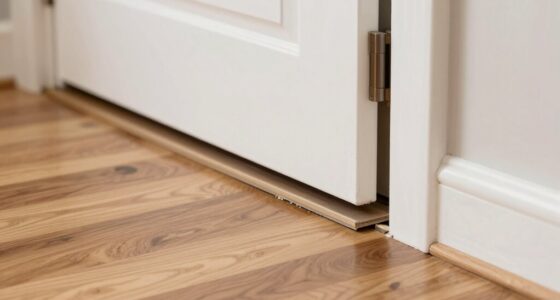
Accessible spaces are designed to accommodate everyone’s needs, including those with physical limitations, by removing barriers and adding features like adjustable furniture or wider doorways. Merely uncluttered environments focus only on visual simplicity, creating neatness and order but not necessarily improving movement or usability. While both aim to create calmer spaces, accessibility guarantees full functionality for all users, whereas clutter-free is just about aesthetics. Keep exploring to discover how these principles can work together effectively.

Get furniture and decor delivered free — and shop member deals
- Fast, free delivery on millions of items
- Access to Prime Big Deal Days deals on October 6–7
- Prime Video, Amazon Music and more included
Key Takeaways
- Accessibility involves designing spaces to accommodate diverse physical abilities, while being uncluttered focuses on visual order and cleanliness.
- An accessible space removes physical barriers; an uncluttered one reduces visual noise but may not address mobility needs.
- Accessibility requires adaptive features and ergonomic considerations; uncluttered environments emphasize organization and minimalism.
- A space can be uncluttered but still inaccessible if it lacks features like wide doorways or adjustable furniture.
- Integrating both ensures environments are both physically inclusive and visually calming for all users.
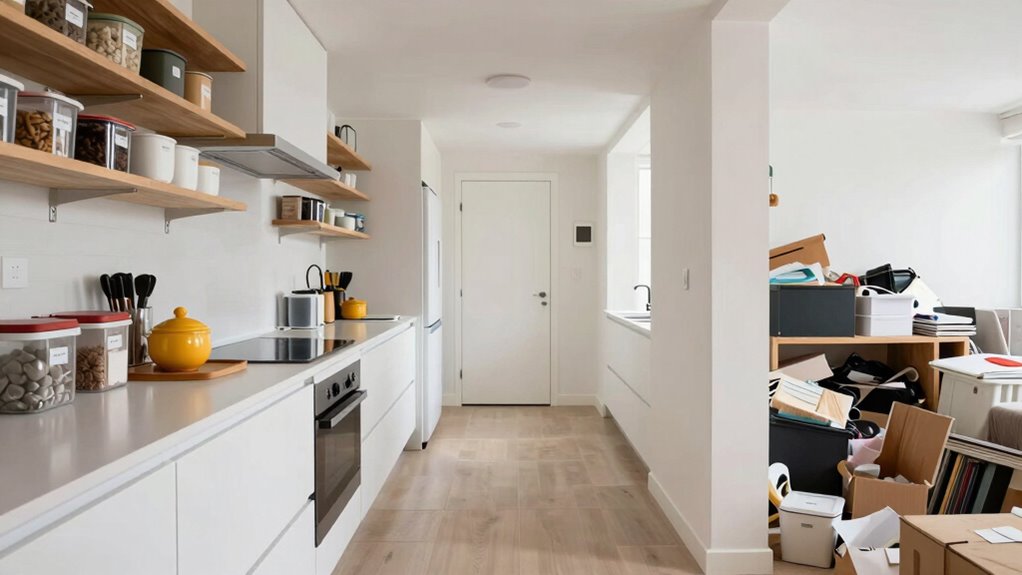
Have you ever wondered whether prioritizing accessibility or maintaining a clean, uncluttered space is more important? It’s a question that often comes up when designing a workspace, a home, or even a website. While both aim to improve your environment, they serve different purposes. Accessibility focuses on making spaces usable for everyone, regardless of physical ability or limitations, often emphasizing ergonomic design to reduce strain and improve comfort. Visual simplicity, on the other hand, aims to create a neat, distraction-free environment that looks tidy and promotes a calm atmosphere. Achieving both can seem challenging, but understanding their differences helps you strike the right balance.
Balancing accessibility and visual simplicity creates welcoming, functional spaces for everyone.
When you prioritize accessibility, you’re making intentional choices to accommodate a range of needs. Ergonomic design is key here—think of adjustable desks, easy-to-reach storage, or tools that reduce repetitive strain. You might include wider doorways or lower countertops so that people using wheelchairs or mobility aids can navigate comfortably. This approach ensures that everyone can access and use the space without difficulty. It’s about removing barriers, not just tidying up. Visual simplicity plays a role too, but mainly as a way to reduce clutter that can hinder accessibility. For example, keeping pathways clear and minimizing visual noise helps those with visual impairments or cognitive challenges navigate better. Additionally, adaptive features can enhance functionality for diverse users, making the space more inclusive and accommodating ergonomic principles. Incorporating universal design ensures that spaces are welcoming and functional for all, regardless of individual differences. By thoughtfully combining these elements, you create an environment that’s both practical and welcoming.
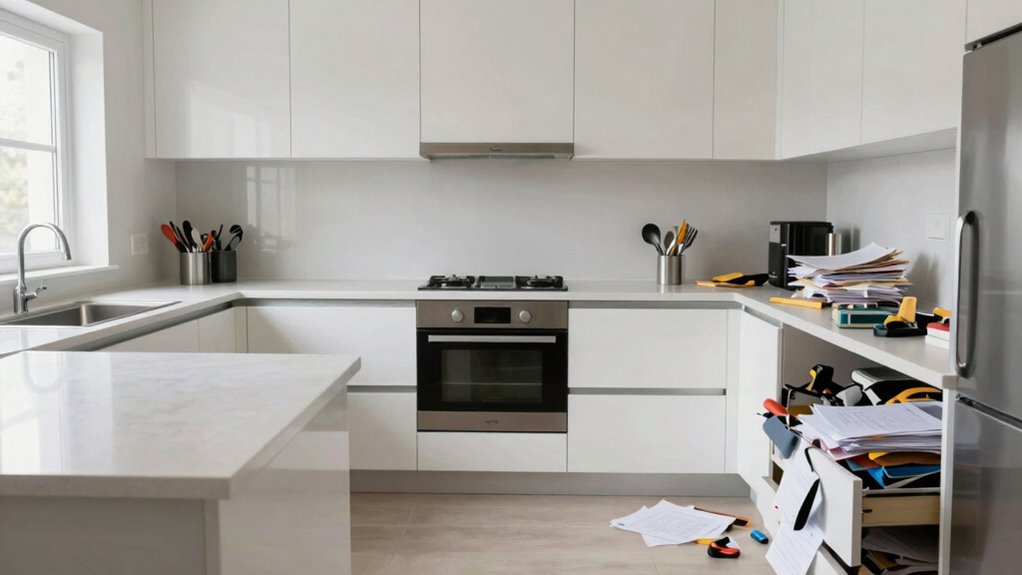
Maintaining an uncluttered space is primarily about aesthetics and mental clarity. You aim for simplicity that’s visually appealing, creating a sense of order and calm. This often involves decluttering, organizing, and removing unnecessary items. While this can benefit everyone, it doesn’t always automatically mean the space is accessible. You might have a beautifully minimalist room that’s hard to use for someone with limited mobility if you haven’t considered ergonomic design principles. Conversely, a perfectly accessible space that’s cluttered or visually chaotic defeats the purpose of visual simplicity, making it harder to find what you need or focus. Furthermore, visual clutter can sometimes obscure important features or elements that are essential for accessibility, highlighting the importance of balancing both concepts. The key difference is that accessible design integrates features that serve diverse needs, often requiring intentional planning and specific modifications. Visual simplicity focuses on creating a tidy, peaceful environment that’s easy on the eyes. Both are valuable, but they’re not interchangeable. You need to decide what your priorities are and how to combine them. In the end, a truly effective space respects accessibility and embraces visual simplicity—making it welcoming, functional, and calming for everyone who uses it.
adjustable height desk for ergonomic workspace
As an affiliate, we earn on qualifying purchases.
As an affiliate, we earn on qualifying purchases.
Frequently Asked Questions
How Can I Make My Space Both Accessible and Uncluttered?
To make your space both accessible and uncluttered, prioritize ergonomic tools that support comfort and efficiency. Keep surfaces clear and organize items using labeled storage to reduce visual clutter. Consider sensory considerations by choosing calming colors and textures, and providing easy access to frequently used items. Regularly declutter, ensuring everything has a designated spot, so your space remains functional and welcoming for everyone, regardless of their needs.
What Are Common Barriers to Accessibility in Cluttered Spaces?
Common barriers to accessibility in cluttered spaces include obstructed pathways that hinder mobility challenges and poor lighting that affects those with visual impairment. Clutter can hide important items or create tripping hazards, making navigation difficult. To improve accessibility, you need to keep walkways clear, organize essentials within reach, and guarantee adequate lighting. Doing so helps everyone, especially those with visual impairments or mobility challenges, move safely and comfortably through your space.
Does Accessibility Require Specific Furniture or Design Features?
Accessibility doesn’t always require specific furniture or design features, but incorporating assistive technology and sensory integration can make a big difference. You should consider adaptable furniture that suits various needs and sensory-friendly elements to create inclusive spaces. By thinking about these features, you guarantee your environment supports everyone, especially those with mobility or sensory challenges, making your space truly accessible without needing a complete overhaul.
Can Cluttered Spaces Be Accessible Without Major Renovations?
Like a lighthouse guiding ships, you can make cluttered spaces accessible without major renovations. Use assistive technology, like voice-activated lights or removable ramps, to improve usability. Adopting universal design principles guarantees everyone can navigate easily, even amidst clutter. Small adjustments, such as organizing items and creating clear pathways, can greatly enhance accessibility, making your space welcoming without the need for costly or extensive remodeling.
How Do I Prioritize Accessibility Versus Aesthetic Unclutteredness?
You should prioritize accessibility by ensuring essential pathways are clear and sensory considerations are addressed, even if it slightly compromises aesthetic balance. Focus on creating a space that’s functional and safe, then incorporate aesthetic elements that don’t clutter or hinder movement. Balance your design by choosing simple, accessible storage solutions and calming colors, allowing both accessibility and uncluttered beauty to coexist without sacrificing either.
Conclusion
Imagine walking into a space where every item is within arm’s reach, every surface inviting, and your needs effortlessly met. That’s accessibility—a sanctuary designed for you. Now picture a room free of chaos, with neat surfaces and tidy corners, but still hard to navigate. That’s merely uncluttered. While both feel calming, true accessibility transforms a space into a welcoming haven, where you don’t just see order—you experience freedom and ease with every step.
Halloween Picks
halloween
As an affiliate, we earn on qualifying purchases.