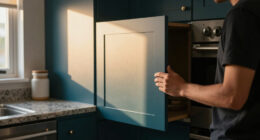
To make your kitchen safe and easy to use, guarantee appliances are in good condition with safety features like automatic shut-offs. Keep frequently used items within reach and at waist level to prevent bending or stretching. Use good lighting and non-slip mats for added safety. Incorporate ergonomic handles and lever faucets for easier operation. Optimizing layout and organization reduces clutter and enhances mobility. Keep these tips in mind to create a kitchen that supports independence—more helpful ideas await you.
Key Takeaways
- Use ergonomic handles, controls, and adjustable shelving to reduce effort and reach for safer, easier cooking.
- Install proper lighting and under-cabinet lights to improve visibility and prevent accidents.
- Keep frequently used items at waist level to minimize bending and stretching.
- Incorporate non-slip mats and clear pathways to prevent falls and ensure safe movement.
- Ensure appliances have safety features like automatic shut-offs and are regularly maintained for safe operation.

Creating an age-friendly kitchen is essential for ensuring safety, comfort, and independence as you age. One of the most important aspects to focus on is appliance safety. Older adults often rely on various kitchen appliances daily, but without proper safety measures, these devices can pose hazards. Make sure all appliances are in good working order, with no frayed cords or exposed wiring. Keep frequently used appliances within easy reach to minimize the need for stretching or bending, which can lead to accidents. Consider installing automatic shut-off features on toasters, coffee makers, and other devices to prevent overheating or fires. Using appliances with clear, large control buttons or touchscreens can also make operation easier and reduce errors, especially if you have vision or dexterity challenges.
Equally essential is adopting ergonomic design principles in your kitchen. Ergonomic design focuses on creating a space that minimizes strain and maximizes comfort during cooking and cleaning. You should aim to keep your most-used items at waist level, so you’re not constantly bending or reaching overhead. This reduces the risk of falls and back injuries. Upgrading to pull-out shelves and lazy Susans can help you access items easily without unnecessary reaching or twisting. Countertops of appropriate height—typically around 36 inches—are necessary to prevent hunching over or straining your back. Ergonomic handles on utensils, pots, and pans can also make gripping easier, especially if your grip strength has declined. Additionally, installing lever-style faucet handles can reduce the effort needed to turn the water on and off, making tasks less tiring. Incorporating ergonomic design principles into your kitchen layout can significantly enhance safety and comfort for everyday activities.
Lighting plays a pivotal role in creating a safe and ergonomic kitchen. Well-lit spaces help you see what you’re doing clearly, reducing accidents like cuts or burns. Combine overhead lighting with under-cabinet lights to illuminate work surfaces directly. Non-slip mats on floors and mats with cushioning can absorb shock and provide stability underfoot, decreasing the likelihood of slips and falls. When planning your kitchen, think about minimizing clutter and ensuring pathways are wide enough for easy movement, especially if you use mobility aids like walkers or canes.
Ultimately, an age-friendly kitchen combines appliance safety, ergonomic design, and thoughtful organization. Investing in safety features and adjustable elements guarantees your kitchen remains a safe, comfortable space where you can continue cooking independently. Making these adjustments now can prevent accidents and help you enjoy your time in the kitchen for years to come.

TEKLECTRIC Indoor Auto Shut Off for Curling Iron Hair Straightener Countdown Phone Charger Timer Safety Outlet Conserve Socket
- Energy-saving timer: Cuts power after set time
- Simple push button: Sets timer for 8, 4, 2, 1 hours or hold
- Versatile compatibility: Works with curling irons, phones, lights, and more
As an affiliate, we earn on qualifying purchases.
As an affiliate, we earn on qualifying purchases.
Frequently Asked Questions
How Can I Improve Lighting in My Kitchen for Better Visibility?
You can improve your kitchen lighting by installing under cabinet lighting to brighten work surfaces and reduce shadows. Switch to energy-efficient LED bulbs, which provide bright, clear light and last longer. Make sure to use dimmable fixtures if possible, so you can adjust the brightness to suit your needs. Proper lighting enhances visibility, making cooking safer and more comfortable, especially as you age.
What Are the Best Non-Slip Mats for Kitchen Safety?
Think of non-slip rugs as your kitchen’s safety anchors. You should choose safety mats with textured surfaces and non-slip backing to prevent slips. Brands like Gorilla Grip and Rib+Gri provide durable, secure options. Place them in high-traffic areas like near the sink and stove. These mats act as shields, protecting you from falls and ensuring your cooking space remains a safe, stable haven.
How Do I Organize Utensils for Easy Access?
You should organize your utensils using drawer dividers to keep items separated and easy to find. Place frequently used utensils in the front or top of drawers for quick access. Install utensil hooks on the wall or inside cabinet doors to hang spatulas, spoons, and ladles. This setup reduces clutter, minimizes reaching, and helps you access your utensils comfortably, making cooking safer and more convenient for you.
Are There Recommended Appliances for Seniors’ Ease of Use?
You should look for appliances with adaptive gadgets and ergonomic designs to make cooking easier and safer. Features like one-touch controls, large buttons, and easy-grip handles help you operate appliances comfortably. Consider items like lever-style faucets, lightweight mixers, and slow cookers with simple controls. These appliances reduce strain and minimize accidents, making your kitchen more accessible and enjoyable. Always choose devices tailored to your needs for ideal safety and convenience.
How Can I Prevent Burns and Scalds While Cooking?
Think of your kitchen as a sanctuary where burn prevention and scald safety reign supreme. To avoid burns and scalds, always use pot holders, keep pot handles turned inward, and test water temperature before immersion. Never rushing, stay attentive, and keep a fire extinguisher nearby. These simple steps help you cook safely, preventing accidents and ensuring your kitchen remains a secure space for all your culinary adventures.
Conclusion
Creating an age-friendly kitchen makes cooking safer and more enjoyable for seniors. By implementing simple tips like non-slip rugs and easy-to-reach storage, you can greatly reduce accidents. Did you know that falls in the kitchen account for nearly half of all senior injuries? Making small adjustments now can prevent these incidents and help your loved ones stay independent longer. Prioritize safety, comfort, and accessibility to create a space where everyone can cook with confidence.