
To create a safe play area for your grandkids, start by childproofing the space with outlet covers, securing cords, and anchoring furniture. Use soft rugs or foam mats to cushion falls and store toys in labeled bins for organization. Keep hazards like sharp objects or medications out of reach and add cozy furniture for comfort. Installing security alarms and maintaining a tidy, hazard-free environment helps guarantee peace of mind. Continue exploring simple steps to make the space enjoyable and safe.
Key Takeaways
- Childproof outlets, cords, and furniture to prevent accidents and ensure a safe environment.
- Use soft rugs, cushions, and foam mats to cushion falls and create a comfortable play zone.
- Store hazardous materials and small objects out of children’s reach in secure, locked cabinets.
- Organize toys in labeled bins, rotating them regularly to maintain interest and minimize clutter.
- Install security systems and alarms to monitor the area and quickly address any safety concerns.

Have you ever wondered how a simple visit from your grandkid can brighten your day? Their cheerful laughter, curious eyes, and boundless energy bring a special spark to your home. To make these visits enjoyable and safe, it’s essential to set up a designated play area that’s both inviting and secure. Start by childproofing tips that focus on eliminating potential hazards. Cover electrical outlets with safety plugs, secure cords out of reach, and ensure heavy furniture is anchored to the wall to prevent tipping. Remove small objects that could be choking hazards and keep sharp or breakable items away from their reach. This proactive approach creates a worry-free environment, allowing you to relax and enjoy the time together.
Create a safe, inviting play area for your grandkid with childproofing and organization tips that promote fun and security.
Next, think about toy organization. Kids love to explore, but clutter can quickly become a safety concern. Use bins or baskets to keep toys neatly stored, making cleanup easier and reducing trip hazards. Labeling containers can help your grandkid develop a sense of responsibility and independence as they learn where everything belongs. Opt for age-appropriate toys that are safe, non-toxic, and free of small parts that could be swallowed. Rotating toys periodically keeps the play area fresh and engaging, preventing boredom and encouraging your grandchild to explore different kinds of play. When toys are well-organized, you also maintain a tidy space that’s easier to supervise and keep safe.
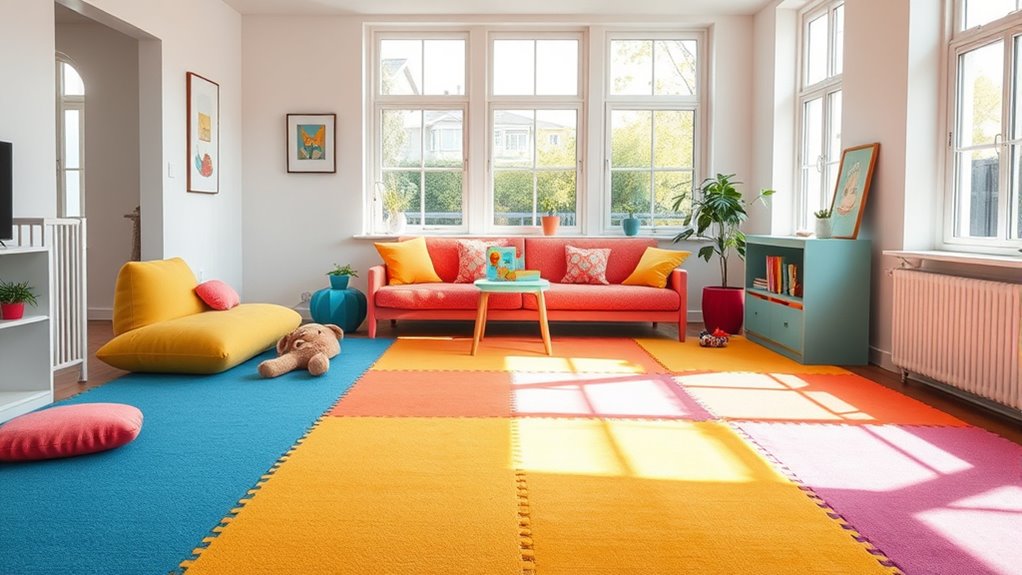
Creating a dedicated play zone doesn’t mean sacrificing style; you can incorporate soft rugs, cushions, and age-appropriate furniture to make the space cozy and inviting. Place mats or foam tiles on the floor to cushion falls and make playtime more comfortable. Keep cleaning supplies, medications, and any hazardous materials out of reach, preferably in locked cabinets. Regularly inspect toys for damage, such as loose parts or sharp edges, and discard or repair as needed. Making these adjustments shows your grandchild that their safety is your priority and helps them feel comfortable in their special area.
Additionally, considering AI-powered security systems can enhance safety by monitoring the play area remotely and alerting you to any unusual activity or hazards. Making these adjustments shows your grandchild that their safety is your priority and helps them feel comfortable in their special area. Ultimately, setting up a safe play area involves attentive planning—combining childproofing tips, toy organization, and a welcoming environment. When you do this, you’re not just creating a secure space; you’re fostering confidence and independence in your grandkid. The joy of their visit becomes even more meaningful when you know they’re safe and free to explore. With a little effort, you turn your home into a fun, secure haven where your grandchild’s curiosity can thrive, and your heart can feel at ease.

Power Gear Child Safety Electrical Outlet Covers, 30 Pack, Tamper‑Resistant Plug Protectors for Standard Wall Outlets, Baby‑Proof & Child‑Proof Safety Caps, Clear, 51175
Child Safety Electrical Outlet Covers – Designed to help cover unused wall outlets and support home baby‑proofing efforts…
As an affiliate, we earn on qualifying purchases.
As an affiliate, we earn on qualifying purchases.
Frequently Asked Questions
What Are the Best Toys for Different Age Groups?
You should choose age-appropriate toys that match your child’s development stage. For infants, opt for sensory play toys like soft blocks and textured books to stimulate senses. Toddlers enjoy simple puzzles and stacking cups that promote coordination. Older kids love creative toys like building sets and art supplies. Always guarantee toys are safe, durable, and encourage exploration, helping them learn and grow comfortably within their age group.
How Often Should I Sanitize the Play Area?
You should disinfect the play area at least once a day, especially after playtime, to keep germs at bay. But don’t stop there—stick to a consistent disinfection schedule and follow simple cleaning tips like using child-safe disinfectants and wiping down high-touch surfaces regularly. The real question is, are you staying ahead of those sneaky germs? Keep your little one safe and healthy with this routine—your efforts matter more than you think.
Are There Specific Safety Certifications to Look For?
Yes, you should look for safety certifications when choosing play equipment. Focus on products that meet certification standards like ASTM F963 or EN71, which guarantee safety and quality. These safety certifications indicate the item has been tested for hazards and complies with industry regulations. Always verify the certification labels on products before purchase, giving you peace of mind that your little one is playing on safe, certified equipment.
How Can I Child-Proof Furniture Effectively?
You can child-proof furniture effectively by choosing pieces made from sturdy, non-toxic materials, ensuring they can withstand rough play. Secure heavy furniture to the wall using safety straps to prevent tipping. Check for safety labels indicating compliance with safety standards, and avoid furniture with sharp edges or small parts. Regularly inspect furniture for loose hardware or damage, and consider adding corner protectors to minimize injury risks.
What Are Signs of Allergies in Young Children?
Did you know that around 8% of children have allergies? Signs of allergies in young children include sneezing, coughing, itchy eyes, and skin rashes. If your child experiences difficulty breathing or swelling, seek medical help immediately. To support child allergy prevention, observe for consistent allergy symptoms, keep allergens like dust and pet dander away, and consult your pediatrician for proper testing and management. Recognizing these signs helps keep your little one safe.
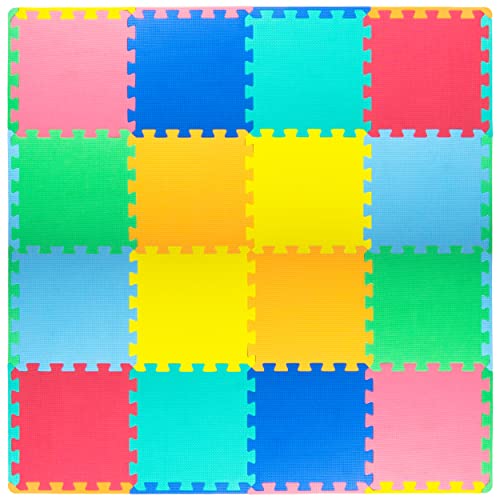
ProSource Baby Play Mat, Soft Foam Floor Tiles for Kids, Interlocking EVA Panels for Playpen Use, Crawling Development Surface, Safe Non-Toxic Toddler Flooring, 16 Tiles, Multicolor
PROTECTIVE FLOORING – Durable, high density foam provides a gentle surface and protection for your child in areas…
As an affiliate, we earn on qualifying purchases.
As an affiliate, we earn on qualifying purchases.
Conclusion
Now, with your safe play area ready, you’re like a guardian angel, guiding your grandkid through a world of wonder and discovery. Just as a lighthouse keeps ships safe in stormy seas, your preparations create a haven for joyful exploration. Remember, a little effort today plants seeds of happiness that bloom into cherished memories tomorrow. So, enjoy every giggle and grin—your thoughtful setup turns moments into lifelong treasures.

Infinno 12 Pack Cabinet Locks Baby Proofing Heavy Duty – Child Safety Cabinet Locks for Drawers, Cupboards & Fridge – No Drill 3M Adhesive Locks for Pets – Toddler Safety Latches
Complete Baby Proofing Solution – Secure your home with Infinno cabinet locks baby proofing set—ideal for cabinets, drawers,…
As an affiliate, we earn on qualifying purchases.
As an affiliate, we earn on qualifying purchases.
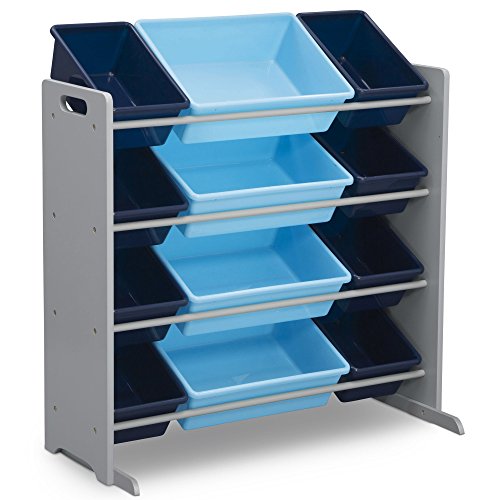
Delta Children Kids Toy Storage Organizer with 12 Plastic Bins – Greenguard Gold Certified, Grey/Blue
PERFECT TOY BIN FOR KIDS OF ALL AGES: Recommended for ages 3+ | Ideal toy storage for girls…
As an affiliate, we earn on qualifying purchases.
As an affiliate, we earn on qualifying purchases.