
To make meal prep easier while caregiving, design your kitchen with efficiency in mind. Use clearly designated zones for prep, storage, and cooking, and keep frequently used tools at eye level for quick access. Incorporate stackable, labeled containers for organized storage and batch cook ingredients ahead of time. Keep surfaces clean and clutter-free to streamline chores, and plan your meals to minimize last-minute stress. Continue exploring to discover more simple design tips tailored for your busy caregiving routine.
Key Takeaways
- Designate specific zones in your kitchen for prepared meals, ingredients, and snacks to streamline access and reduce prep time.
- Use uniform, stackable containers with labels to organize storage efficiently and prevent clutter.
- Incorporate versatile appliances like slow cookers and food processors to save time and simplify meal assembly.
- Keep frequently used items at eye level and maintain a clean, decluttered space to enhance workflow and reduce stress.
- Develop a weekly meal plan and shopping list to minimize last-minute decisions and ensure reliable, quick meal prep.

Meal prep can seem overwhelming at first, but with a few simple strategies, it becomes an easy and rewarding routine. One of the most effective ways to streamline the process is by incorporating time-saving hacks into your daily routine. For example, dedicate a specific day each week to batch cooking your proteins, grains, and vegetables. This way, you’ll have ready-to-assemble meals throughout the week, saving you valuable minutes each day. Using versatile kitchen appliances like slow cookers, instant pots, or food processors can also cut down prep time considerably. These tools allow you to cook large quantities with minimal effort, freeing up your schedule for other caregiving responsibilities.
Batch cook weekly to simplify meal prep and save time daily.
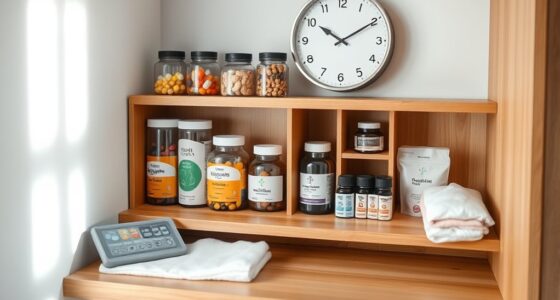
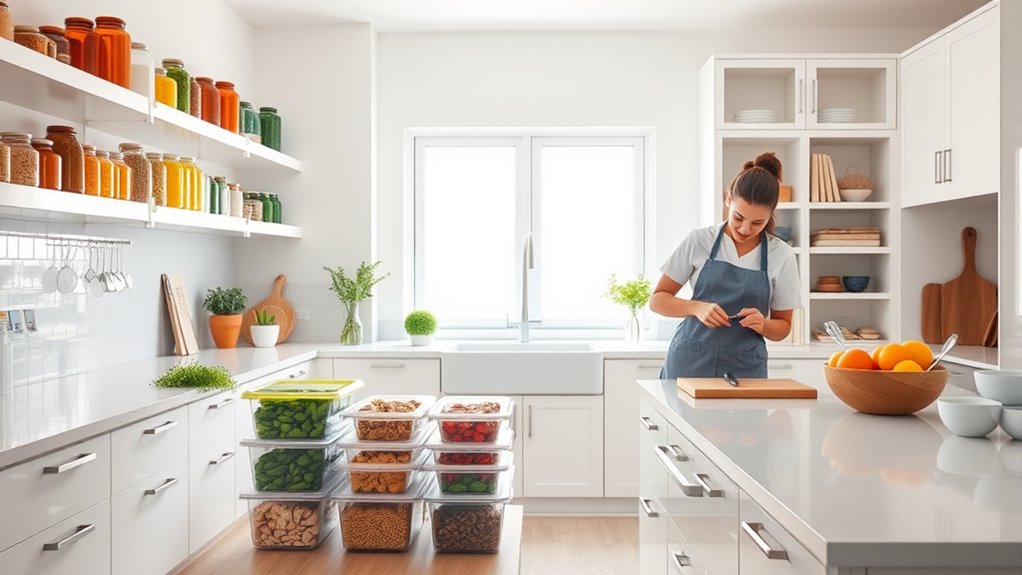
Another essential factor in making meal prep easier is optimizing your storage solutions. When your kitchen is organized with clear, accessible containers, you spend less time searching for ingredients or leftovers. Invest in high-quality, stackable containers that are microwave and dishwasher safe. Label each with contents and date, which helps prevent food waste and ensures you’re always aware of what’s available. Using uniform containers not only maximizes space but also makes it easier to plan and portion meals. Consider storing pre-portioned ingredients in separate containers, so you can quickly grab what you need without having to measure or prep each time. This setup reduces the clutter and chaos that often accompany meal planning for caregiving environments.
Additionally, organizing your fridge and pantry with designated zones can markedly improve your efficiency. Designate specific areas for prepared meals, snacks, and ingredients. Keeping frequently used items at eye level minimizes searching and encourages you to stick to your meal plan. To further streamline your workflow, prepare a weekly meal schedule and shopping list. This minimizes impulse buys and multiple trips to the store, saving you time and effort. Having everything planned and prepped ahead reduces last-minute stress, especially when caregiving duties take priority.
Furthermore, being aware of your power outages and having backup solutions in place can help ensure your kitchen remains functional during emergencies, making meal prep even more reliable. Lastly, don’t forget the importance of maintaining your kitchen’s cleanliness and organization. Regularly declutter and wipe down surfaces to keep your space inviting and functional. When your kitchen is tidy, you’re motivated to cook and prep more efficiently. By combining smart storage solutions with strategic time-saving hacks, you’ll find meal prep becomes less of a chore and more of a manageable routine. Over time, these practices will help you stay organized, save precious minutes, and ensure you’re providing nourishing meals for your loved ones with less stress and more confidence.
Frequently Asked Questions
How Can I Make My Kitchen Safer for Caregivers?
You can make your kitchen safer for caregivers by installing childproof locks on cabinets and drawers to prevent accidental access to dangerous items. Use slip-resistant mats on the floors to reduce the risk of slips and falls. Keep sharp objects and hot items out of reach, and ensure good lighting throughout the space. These simple steps help create a secure environment, making caregiving less stressful and safer for everyone involved.
What Are Space-Saving Storage Solutions for Small Kitchens?
Imagine transforming your small kitchen with clever space-saving solutions that surprise you. You can maximize every inch by incorporating vertical storage, like wall-mounted shelves or hanging racks, to keep essentials within reach. Multi-functional furniture, such as fold-away tables or ottomans with hidden compartments, adds versatility without crowding your space. These smart choices make your kitchen more efficient, freeing up room for you to focus on what truly matters—caregiving.
How Do I Organize Meal Prep Tools Efficiently?
You should organize your meal prep tools by using drawer dividers to separate utensils and small gadgets, making them easy to find. Stackable containers help maximize space for storing ingredients and prepped items. Keep frequently used tools within arm’s reach, and periodically declutter to maintain efficiency. This setup streamlines your prep process, saves time, and keeps your kitchen neat, so you can focus more on caring for others.
What Safety Features Should I Consider for Elder-Friendly Kitchens?
To create a safe haven, prioritize slip-resistant flooring that minimizes falls and guarantees stability. Incorporate adjustable countertops to accommodate different heights and reduce strain during meal prep. Additionally, install easy-to-reach storage and lever-style faucets to prevent accidents. Bright, even lighting helps visibility, and non-slip rugs add extra security. These thoughtful features foster independence while maintaining safety, making your kitchen a nurturing space for caregiving needs.
How Can I Incorporate Ergonomic Design Into My Kitchen?
You can incorporate ergonomic design by adjusting countertop height to reduce strain and make cooking easier. Opt for easy-to-reach storage options, like pull-out shelves and accessible cabinets, so you don’t have to bend or stretch too much. Consider installing anti-fatigue mats and using ergonomic tools to further enhance comfort. These tweaks help create a safer, more comfortable kitchen environment that supports your caregiving needs.
Conclusion
Remember, a well-organized kitchen saves time and reduces stress, making caregiving easier. By applying these design tips, you’ll craft a space that’s both functional and comforting for your loved ones. Keep in mind, “A place for everything, and everything in its place”—it’s the secret to smooth meal prep. With a little effort upfront, you’ll find caregiving becomes more manageable, letting you focus on what truly matters: caring with love and patience.