TL;DR

Get furniture and decor delivered free with Prime
- Fast, free delivery on millions of items
- Prime Video, Amazon Music and more included
- Member-only deals all year
Designers Fran Keenan and Mackin Thompson shared five ways renters can make a home feel more personal without taking on major renovations: plan around the apartment, ask the landlord about changes, improve window treatments, avoid overspending on temporary fixes, and choose furniture that can move. Their recommendations are design advice, not a guarantee that a landlord will approve alterations.
Designers Fran Keenan and Mackin Thompson recommend five ways to make a rental feel more personal without committing to a major renovation: start with the apartment’s actual constraints, ask the landlord about possible changes, invest selectively in window treatments, limit spending on temporary fixes, and choose furnishings that can move to a future home. Their advice, reported by Veranda, focuses on practical design choices rather than assuming renters can alter a property freely.
The first recommendation is to assess the home before buying or planning around inspiration images. The size of a room, available daylight, doorways and lease terms can shape what is practical. A compact sofa and movable chairs may fit a small living room better than an oversized sectional; a dim bedroom may benefit more from layered lighting than from another decorative accessory. Thompson says renters do not have to correct every feature they dislike: working with what is already good can be enough to improve a space.
The designers also advise tenants to ask before assuming a change is prohibited. Thompson says a landlord may agree to requests such as painting cabinets, changing a light fixture or adding trim, particularly when a tenant expects to stay for some time. That is advice to seek permission, not confirmation that any landlord will approve a proposed change. Renters should check their lease and obtain clear approval before making alterations.
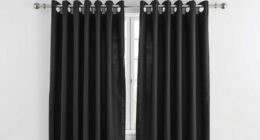
For purchases, Keenan recommends making ready-made curtains look more finished by adding pinch pleats or hanging them from rings. Thompson says window treatments can add softness and personality, and may be taken to another home. She also advises spending less on attempts to disguise features a renter cannot change, while directing more of the budget toward pieces that add character. Antiques mixed with newer furniture are one example she gives. Her final recommendation is to favor adaptable items, such as a sofa, chair, lamp or table, that can remain useful after a move.
Spend on Comfort That Can Move
The advice addresses a common renter’s constraint: the home can be made more comfortable, but substantial changes may be restricted by a lease, landlord approval or the prospect of moving. Prioritizing portable furnishings and window treatments can make an apartment feel more personal now while preserving the option to use those purchases elsewhere later.
The recommendations also offer a way to avoid treating every disliked feature as a project. A renter who spends heavily to conceal a fixed kitchen finish may be paying for a change that cannot travel with them. By contrast, improving lighting, choosing suitable furniture and adding curtains can address how a room works and feels without necessarily altering the property. The right choice will vary with the apartment, budget and lease.
As an affiliate, we earn on qualifying purchases.
Designing Within a Rental Lease
The Veranda report frames renting as a balance between personal taste and limits on what can be changed. Floors, lighting and wall colors may not match a tenant’s preferences, but a complete renovation is not the only route to a more welcoming home. Keenan and Thompson’s suggestions range from low-commitment styling, such as changing how curtains hang, to changes that require a conversation with the landlord.
The article does not present the five recommendations as a fixed checklist that suits every property. Its examples point instead to a space-by-space approach: consider the room’s dimensions and light, identify which changes are allowed, and distinguish items that can move from alterations tied to the property. The report names designers Fran Keenan and Mackin Thompson as its sources for the guidance.
“I don’t think you need to fix everything. Sometimes you just need to find the things that are already good and just give them a little more love.”
— Mackin Thompson, designer, as quoted by Veranda
Approval and Costs Depend on the Home
The report does not say whether any particular landlord approved the suggested alterations, or set out rules that apply to all rental agreements. Permission depends on the property and lease; the article’s examples should not be read as a right to paint, replace fixtures or install trim without approval. It also does not provide prices, a renter’s budget or evidence comparing the long-term value of different purchases.
Nor can the recommendations establish which furnishings will fit a specific apartment or suit a tenant’s circumstances. Room measurements, access through doorways, daylight, existing fixtures and how long someone plans to stay all affect the decision. The source offers designer judgment and examples, not a guarantee that a given change will improve every rental or save money.
Check the Lease Before Making Changes
For renters applying the advice, the next steps are practical: measure rooms and doorways, note where natural light is limited, and decide which items need to work in the current home as well as a future one. Before altering anything attached to the property, tenants should review the lease and ask the landlord for approval. If a change is approved, they can clarify any conditions, including whether the property must be returned to its original state when the tenancy ends.
Veranda’s report does not announce a follow-up project or a further milestone. The next development for an individual renter will depend on their own space, budget and landlord’s response; the article’s central recommendation is to make those checks before investing in a change.
Key Questions
What are the five designer recommendations for making a rental feel like home?
Assess the apartment first, ask the landlord about possible changes, improve window treatments, avoid spending heavily on temporary fixes, and choose useful furnishings that can move with you.
Can renters paint cabinets or replace a light fixture?
Thompson recommends asking the landlord, but the report does not say these changes are allowed in every rental. Check the lease and get permission before altering the property.
How can ready-made curtains look more polished?
Keenan suggests adding pinch pleats or hanging curtains from rings rather than relying on a basic pole pocket. Thompson says window treatments can also add softness and personality.
Which purchases do the designers suggest prioritizing?
Thompson recommends spending on items that add personality and can serve future homes, including a sofa, chair, chest, lamp or table. She cautions against putting too much money into disguising features that cannot be changed.
Source: rss
Halloween Picks
halloween
As an affiliate, we earn on qualifying purchases.