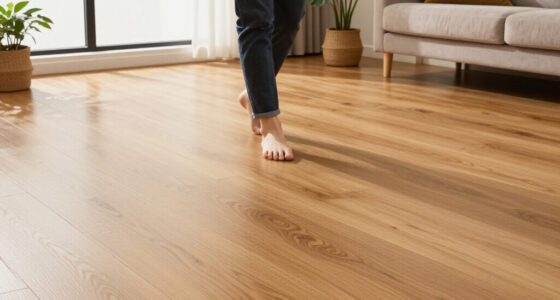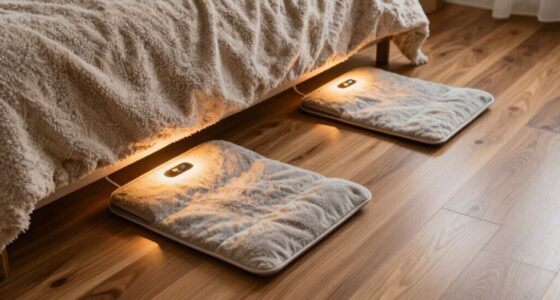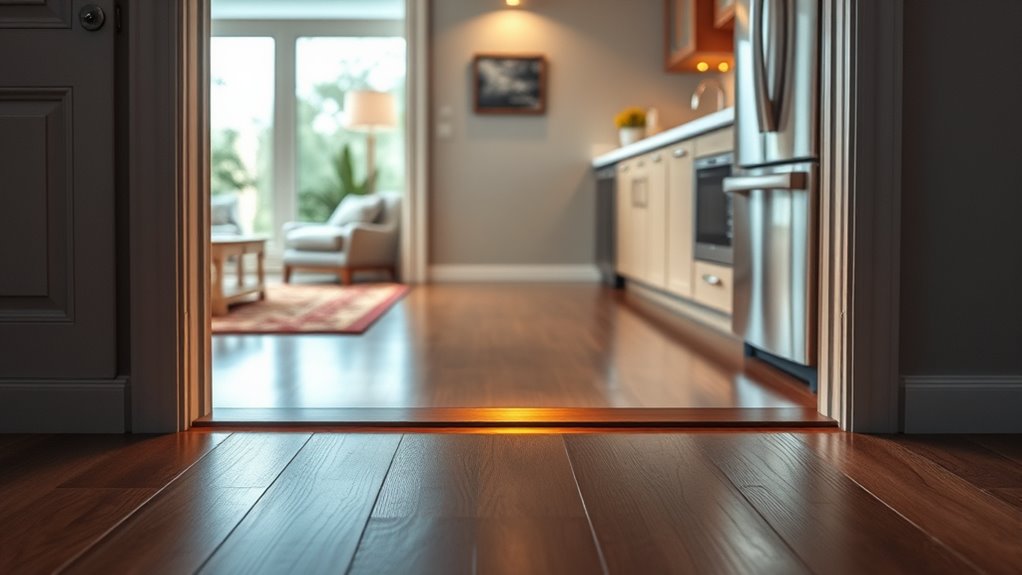

To guarantee safe thresholds and smooth room changes, focus on using level, slip-resistant surfaces with proper height and width to prevent trips and accommodate wheelchairs. Choose contrasting colors or textures for visibility, and keep pathways unobstructed. Adequate lighting and regular maintenance are key to avoiding hazards like debris or damage. Paying attention to these details helps create a safe, accessible environment—if you want to learn more strategies, keep exploring effective design tips.

Get furniture and decor delivered free with Prime
- Fast, free delivery on millions of items
- Prime Video, Amazon Music and more included
- Member-only deals all year
Key Takeaways
- Use flush, level thresholds with appropriate materials to prevent trips and ensure smooth transitions.
- Incorporate contrasting colors or textures for visual recognition of thresholds.
- Ensure proper lighting and signage near thresholds to enhance visibility and safety.
- Regularly inspect and maintain thresholds to fix damage, debris, or looseness.
- Design transitions that avoid abrupt height changes, pinch points, or surface inconsistencies.

Moving through the thresholds between rooms safely is essential for preventing accidents and ensuring smooth transitions. Your focus should be on effective threshold design, which plays a pivotal role in transition safety. Well-designed thresholds help define spaces clearly, making it easier to navigate from one room to another without tripping or stumbling. When thresholds are improperly constructed or overlooked, they become hazards that can cause falls, especially for children, the elderly, or those with mobility challenges. That’s why paying attention to how thresholds are built and maintained is indispensable for creating a safe environment.
Good threshold design balances functionality with safety. It involves selecting the right materials, ensuring proper height, and providing a smooth, level surface. For example, thresholds that are too high or uneven can cause trips or make wheelchair access difficult. Conversely, thresholds that are flush with the floor can improve transition safety by minimizing obstacles. You should also consider the visual cues, like contrasting colors or textures, which help individuals with visual impairments recognize transitions clearly. These design elements guide people naturally, reducing hesitation and the risk of accidents.
Effective threshold design combines proper materials, height, and visual cues for safer, easier navigation.
Transition safety isn’t just about physical features; it’s also about layout and placement. You want thresholds that don’t interrupt the flow of movement or create pinch points. Proper spacing and alignment ensure that doors and pathways remain accessible and unobstructed. If you’re working on renovations or new constructions, think about how each threshold fits into the overall layout. Avoid abrupt changes in flooring height or surface, and ensure any steps or ramps meet safety standards. This is especially important in spaces frequented by children, seniors, or disabled individuals, who are more vulnerable to falls.
Lighting also plays an essential role in transition safety. Adequate illumination around thresholds prevents missteps caused by poor visibility. Installing motion sensors or low-level lighting along doorways can alert you to height differences or obstacles you might otherwise overlook. Regular maintenance is equally important—check for loose thresholds, damaged surfaces, or debris that can create hazards. Making small adjustments, like adding non-slip strips or leveling uneven surfaces, can greatly improve safety.
Additionally, incorporating attention to detail in the design process ensures that all safety considerations are addressed comprehensively, further reducing risks associated with transitions.
As an affiliate, we earn on qualifying purchases.
Frequently Asked Questions
How Do Cultural Differences Influence Threshold Safety Standards?
Cultural differences markedly influence threshold safety standards because you adapt to different cultural safety practices and threshold customs. You might find that some cultures prioritize lower thresholds for safety or have specific rituals for shifting between spaces. These customs shape how you design and respect thresholds, ensuring they honor cultural safety while maintaining safety standards. Recognizing these differences helps you create inclusive environments that respect diverse threshold customs and promote safe transitions.
Are There Specific Materials Recommended for Safe Transitions?
Your safety depends on materials that are truly game-changers. For safe shifts, use high-quality threshold adhesives to guarantee a secure, steady surface, and anti-slip mats to prevent slips and falls. These materials create a barrier of safety so robust, it’s like walking on a cloud of assurance. Always choose durable, non-slip options that withstand wear and moisture, making every step safe and confident.
What Role Does Lighting Play in Transition Safety?
Lighting plays a vital role in shift safety by providing threshold illumination that clearly highlights the change between rooms. You should guarantee consistent, well-lit pathways to reduce visual confusion. Using visual cues like contrasting colors or illuminated strips helps your eyes adjust smoothly, minimizing tripping hazards. Proper lighting not only improves visibility but also reassures you, making transitions safer and more comfortable, especially in low-light or unfamiliar settings.
How Can Technology Improve Room Transition Safety?
Technology can improve room change safety through sensor integration and accessibility design. You can install motion sensors to automatically turn on lights, reducing trip hazards. Smart thresholds with tactile cues help visually impaired individuals navigate safely. By combining these innovations, you create an environment that adapts to everyone’s needs, minimizing accidents during transitions. Embracing these technologies ensures safer, more accessible room changes, giving you confidence and peace of mind.
What Are Common Mistakes in Designing Safe Thresholds?
You often overlook doorway ergonomics and threshold signage, which are vital for safety. Common mistakes include designing thresholds that are too high or uneven, causing trips or falls. You might also neglect clear signage indicating changes, leaving users unsure about step changes or level differences. To improve safety, guarantee thresholds are smooth and accessible, and add clear signage to guide users safely through transitions between rooms.
Conclusion
Remember, a smooth passage isn’t just about crossing a threshold—it’s about respecting the space and safety of each room. By paying attention to safe thresholds, you create a secure environment for everyone. As the saying goes, “A journey of a thousand miles begins with a single step.” Keep mindful of those small steps, and you’ll ensure safe, seamless transitions between rooms, making your space both welcoming and secure for all who enter.
Halloween Picks
halloween
As an affiliate, we earn on qualifying purchases.