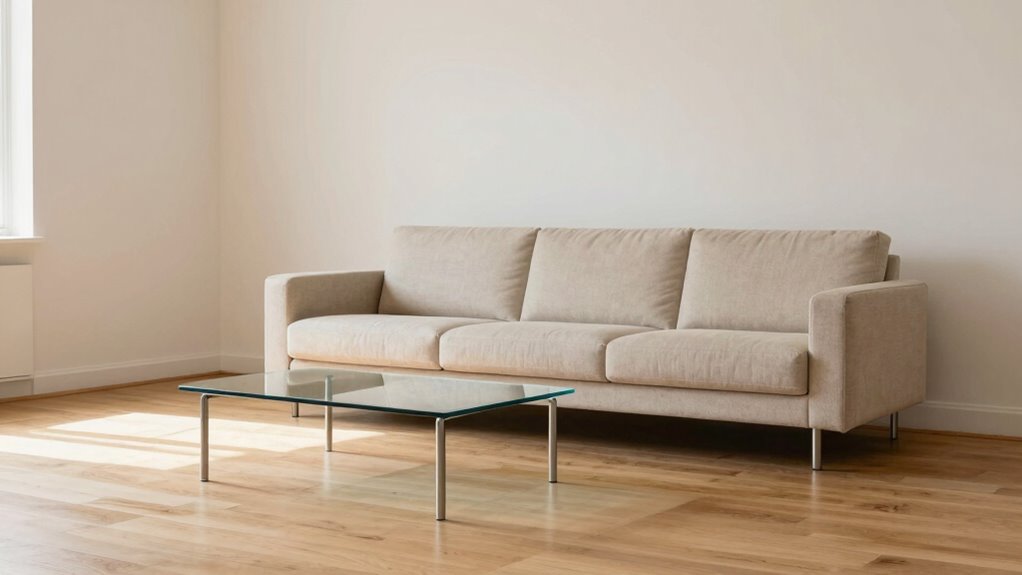
To make your room feel twice as big, place your sofa away from the walls and float it in the center of the space. This creates an open, airy feel and establishes visual balance. Avoid clutter and position other furniture thoughtfully to enhance flow. Using light colors, mirrors, and strategic decor also helps expand the space visually. Keep experimenting with your layout, and you’ll discover even more easy ways to maximize room size.
Key Takeaways
- Position the sofa away from walls to create open space and prevent a cramped feel.
- Center the sofa in the room to establish balance and serve as a visual focal point.
- Maintain clear pathways around the sofa to enhance openness and flow.
- Use light, neutral colors on the sofa and walls to visually expand the space.
- Incorporate mirrors and reflective decor to bounce light and create the illusion of a larger room.
The Main Sofa Placement Rule to Make Your Room Feel Bigger

To make your room feel larger, the key is to place your sofa away from the walls. This simple furniture arrangement technique creates more open space and improves visual balance in your living room. By pulling your sofa into the center of the room, you prevent the space from feeling cramped or cluttered. This not only enhances the flow but also makes the room appear more expansive. When you position your furniture thoughtfully, you guide the eye around the space, emphasizing openness. Avoid pushing everything against the walls; instead, give your sofa a slight break from the perimeter to maximize the feeling of spaciousness. Proper furniture arrangement with strategic sofa placement is essential for a room that feels twice as big. Additionally, considering the visual impact of furniture placement can help optimize how open and inviting your space feels.
Why Where You Put the Sofa Really Matters for a Spacious Living Room
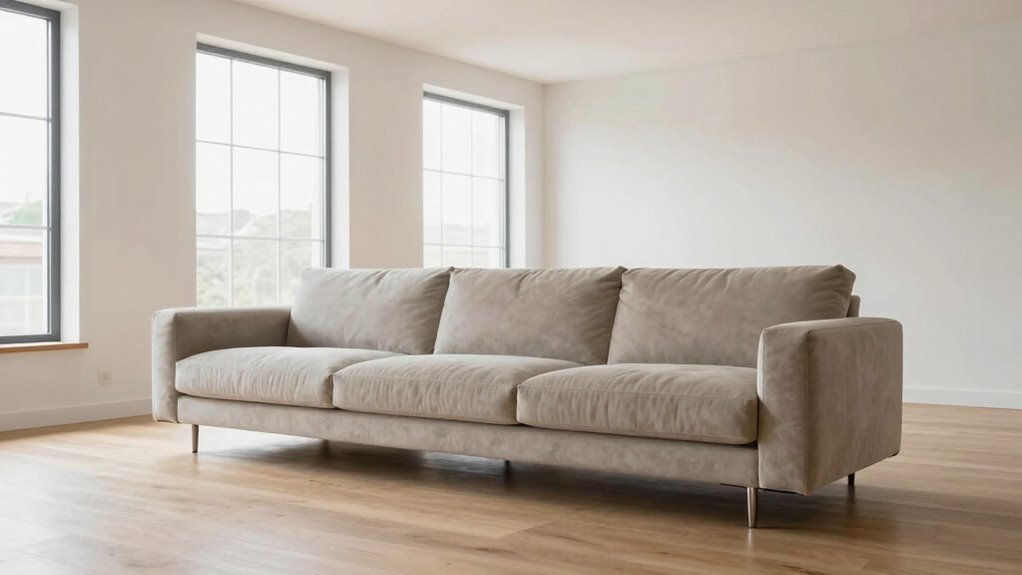
Where you place your sofa can make or break the feeling of space in your living room. Centering it properly, keeping clear pathways, and using wall space wisely all contribute to an open, inviting atmosphere. These choices help you maximize your room’s size without sacrificing style or comfort. Additionally, considering the room’s layout and furniture placement can further enhance the perception of space. Being mindful of furniture arrangement can create a more balanced and open environment that feels twice as spacious. Incorporating energy-efficient design principles can also optimize the use of space while promoting sustainability.
Centering the Sofa
Have you ever noticed how the placement of your sofa can transform the feel of your living room? Centering your sofa creates a strong focal point, drawing attention and anchoring the space. It helps establish visual balance, making the room feel harmonious and open. When your sofa is centered, it naturally aligns with other key elements like the fireplace or a large window, enhancing cohesion. This placement also makes your room appear larger because it encourages symmetry and reduces cluttered, uneven layouts. By focusing on a central position, you create a sense of calm and order that amplifies the spacious feel. Keep your sofa aligned with the room’s main focal point to maximize this effect and make your living space feel twice as big.
Maintaining Clear Pathways
Placing your sofa thoughtfully is essential for maintaining clear pathways and making your living room feel more spacious. Proper placement guarantees easy movement and prevents clutter. When arranging sectional layouts, keep aisles between furniture open and unobstructed. Position your ottoman so it doesn’t block walkways or create congestion. Avoid placing furniture in high-traffic areas; instead, keep pathways leading to doorways and windows clear. This setup encourages natural flow and maximizes space. Consider these tips:
- Leave enough space between sofa and walkways
- Avoid placing furniture too close to doorways
- Use ottomans that can slide easily without blocking paths
- Arrange sectional segments to form open, accessible routes
- Effective furniture placement helps maintain a sense of openness and improves your living room’s overall feel. Additionally, incorporating spatial planning strategies ensures optimal use of space and enhances comfort throughout the room.
Utilizing Wall Space
Maximizing wall space can considerably open up your living room and create a more inviting atmosphere. Use your walls strategically by hanging wall art to draw attention upward, which helps make the space feel larger. Keep furniture away from the walls to prevent a cramped look, but utilize wall space for storage or shelving to keep clutter out of the room’s center. Incorporate thoughtful lighting design, such as wall sconces or mounted fixtures, to brighten corners and add depth, making the room feel more expansive. Avoid overloading the walls with too many pieces; instead, select a few impactful art pieces and lighting elements to enhance the sense of openness. Properly utilized wall space can also serve as a canvas for creative lighting techniques, which further enhance the room’s visual balance and harmony. Additionally, understanding spatial planning principles can help you optimize wall and furniture placement for maximum openness. Applying these principles ensures that every inch of wall space contributes to a more spacious feel, and incorporating proper furniture arrangement can further amplify this effect, making your living room appear twice as large without any major renovation.
How to Float Your Sofa for the Best Space-Enhancing Effect

Floating your sofa can promote a more spacious flow in your room, making it feel less crowded. It also enhances flexibility, allowing you to easily rearrange furniture as your needs change. By positioning your sofa away from walls, you create a versatile layout that opens up your space.
Promotes Spacious Flow
To create a sense of openness in your living room, positioning your sofa away from walls can make a significant difference. This floating setup encourages a natural, spacious flow that invites movement and conversation. When you do this, avoid blocking pathways and keep enough room to walk comfortably around the furniture. Use light color schemes and minimal decorative accents to amplify the airy feel. Incorporate rugs, plants, or side tables to define zones without crowding the space. Keep furniture scaled appropriately to prevent clutter. By floating your sofa thoughtfully, you enhance the room’s visual flow, making it feel twice as big and inviting. The key is balancing openness with functional design, creating an environment that feels effortless and expansive.
Enhances Room Flexibility
When you float your sofa thoughtfully, you create a flexible layout that adapts to your needs and enhances the overall functionality of your space. This setup allows you to easily reconfigure your room for different activities, whether entertaining guests or relaxing alone. By choosing a cohesive color scheme, you can make the floating sofa blend seamlessly with the rest of the room, adding to its versatility. Incorporate strategic lighting design, such as adjustable lamps or wall sconces, to highlight different areas and create ambiance. These lighting options enable you to change the mood and function of the space effortlessly. Floating your sofa gives you the freedom to experiment with various arrangements, making your room more adaptable and functional without sacrificing style. Additionally, understanding room layout principles can help you optimize the placement for better flow and space utilization. For example, considering spatial organization strategies can further refine your room’s layout, ensuring comfort and efficiency.
Common Sofa Placement Mistakes That Shrink Your Room
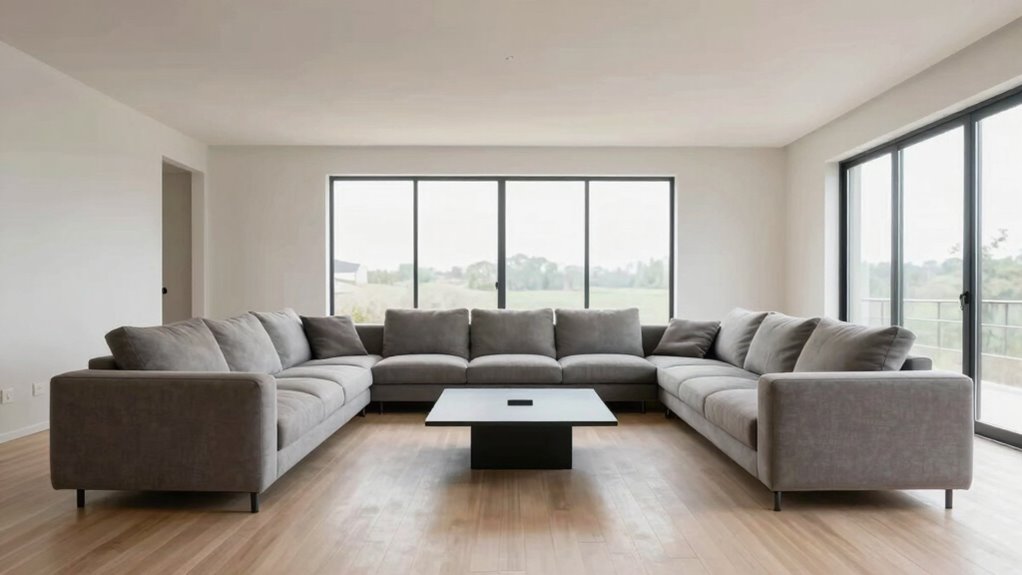
Placing your sofa too close to walls or pushing it all the way into corners can make a room feel cramped and smaller than it actually is. This mistake often happens when you’re trying to maximize space without considering visual flow. It can also clash with your decorating styles or color schemes, making the room seem cluttered. To avoid this, keep some space around the sofa to create an open feel. Additionally, paying attention to furniture placement principles can help maintain a balanced and inviting atmosphere, which relies on understanding visual flow and how furniture interacts within a space. Being mindful of spatial relationships allows you to design a room that feels bigger and more comfortable. Incorporating power tools and equipment for room layout adjustments can also streamline the process of repositioning furniture for optimal flow. Remember that interior design techniques focused on furniture positioning can further enhance the sense of spaciousness and harmony.
Easy Tips for Arranging Other Furniture to Maximize Your Room’s Size
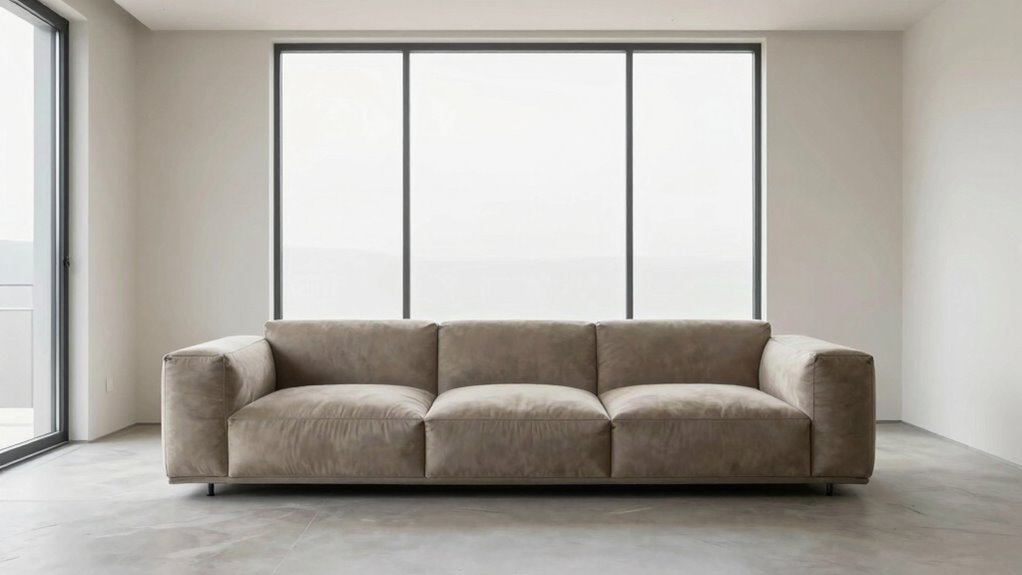
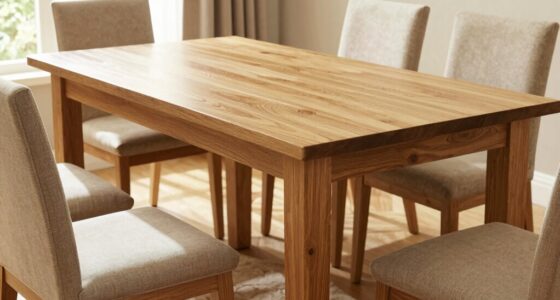
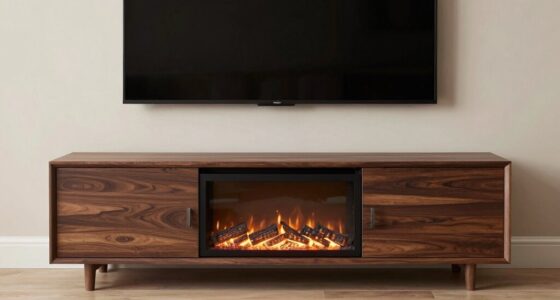
Arranging other furniture thoughtfully can considerably enhance your room’s perceived size and flow. Start by choosing pieces that complement your sofa and avoid cluttering the space. Use color coordination to create a cohesive look, which helps the room feel more open. Light, neutral tones for larger furniture and walls can make the space appear bigger, while pops of color in decorative accents add personality without overwhelming. Position side tables and media units against walls to keep the center open. Incorporate decorative accents strategically—small vases, framed photos, or artwork—placed thoughtfully to draw the eye upward or outward, expanding the room’s visual boundaries. By balancing furniture placement with thoughtful color choices and accents, you’ll make your room feel larger and more inviting.
Quick Tricks to Make Your Living Room Look Twice as Big Without Major Changes
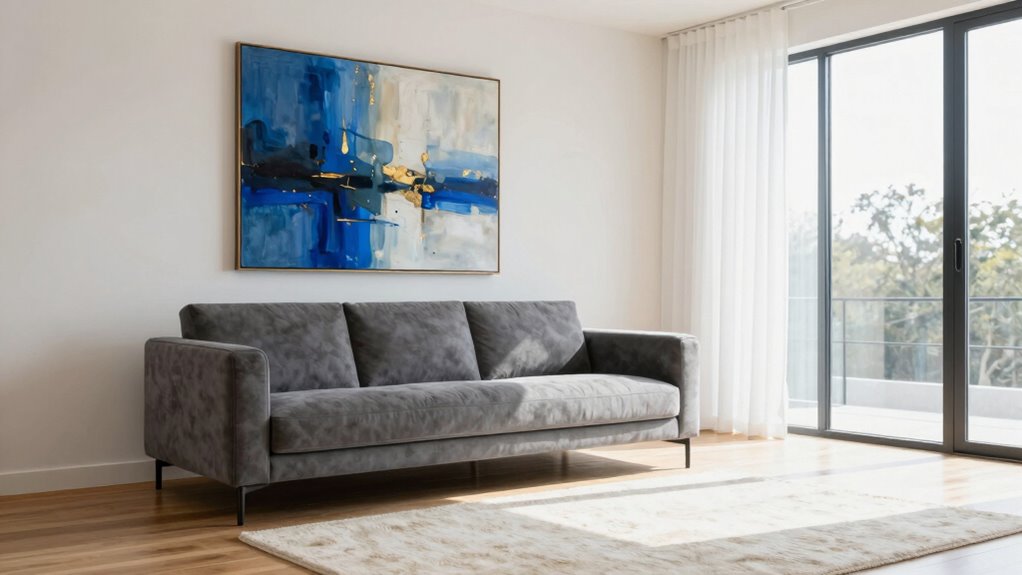
You can instantly make your living room feel twice as spacious with a few simple tricks that don’t require major renovations. Focus on color coordination to create a seamless flow, using light, neutral tones on walls and furniture to open up the space. Incorporate decorative accents like mirrors and glass décor to reflect light and add depth. Keep clutter minimal and choose multi-functional furniture to maximize openness. Strategically place rugs to define areas without breaking up the room’s visual flow. Adding vertical storage or tall plants draws the eye upward, enhancing the sense of height. Optimizing room layout can also contribute significantly to a feeling of spaciousness. These small tweaks can dramatically change how spacious your living room feels, making it appear larger and more inviting with minimal effort. For optimal results, consider maximizing your space by utilizing specialized furniture and storage solutions tailored to your room’s layout.
Frequently Asked Questions
Can This Sofa Placement Rule Work in Small Apartments?
Yes, this sofa placement rule can work in small apartments. By positioning your sofa to maximize natural light and using artificial lighting effectively, you create an open feel. Choose light color schemes to enhance the sense of space, and place furniture strategically to avoid clutter. This approach makes your small apartment feel larger, more inviting, and functional without sacrificing style or comfort.
Does Furniture Style Affect How the Rule Works?
Yes, furniture style impacts how the rule works. Studies show that rooms with cohesive furniture aesthetics feel more spacious. You’ll notice that matching pieces and consistent design details create visual harmony, enhancing the illusion of space. When your furniture aligns with the overall design style, it boosts the room’s openness, making the space feel twice as big. So, choose pieces that complement your style for maximum effect.
How Does Lighting Influence the Perceived Room Size?
Lighting ambiance plays a vital role in how you perceive room size. Bright, well-lit spaces, especially with natural illumination, make a room feel larger and more open. You should maximize natural light through windows and add layered lighting to eliminate dark corners. Conversely, dim lighting can shrink the perception of space. By carefully controlling lighting ambiance, you create an inviting atmosphere that visually expands your room.
Are There Specific Room Shapes That Benefit Most From This Rule?
Some might think all room shapes benefit equally, but in reality, rectangular or open-plan spaces see the most dramatic improvements from this sofa placement rule. Your furniture arrangement works best in these layouts because it emphasizes flow and creates visual corridors that expand the perceived size. Irregularly shaped rooms or those with many architectural features may require more tailored solutions, though strategic sofa placement still can enhance their openness.
Can This Rule Be Applied to Outdoor Seating Areas?
Yes, you can apply this sofa placement rule to outdoor furniture and patio design. By arranging your seating to maximize open space and create clear pathways, your outdoor area feels larger and more inviting. Position your patio furniture strategically, keeping walkways unobstructed, and use the rule to enhance flow. This approach helps make your outdoor seating area look more spacious and comfortable, perfect for entertaining or relaxing.
Conclusion
By following this simple sofa placement rule, you can instantly make your room feel twice as big. It’s amazing how just shifting your sofa can open up space and create a more inviting atmosphere. Believe it or not, your room’s size isn’t just about square footage—it’s about how you use it. So go ahead, experiment with these tips, and watch your living space transform into a roomy, welcoming haven you’ll love.