Stable furniture placement is essential because it keeps your space safe, functional, and visually balanced. When furniture is secure and well-positioned, you reduce the risk of accidents, especially with children or the elderly. It also helps protect your belongings from damage and keeps your home organized. While decorative symmetry is nice, it shouldn’t compromise safety or practicality. If you want to discover how stable placement improves your living space beyond looks, keep exploring these tips.

Get furniture and decor delivered free — and shop member deals
- Fast, free delivery on millions of items
- Access to Prime Big Deal Days deals on October 6–7
- Prime Video, Amazon Music and more included
Key Takeaways
- Stable furniture prevents accidents and injuries, especially in households with children or elderly individuals.
- Proper placement enhances interior safety and reduces the risk of furniture tipping or shifting.
- Stability supports optimal lighting and visual harmony, creating a more inviting and functional environment.
- Secure furniture placement preserves furniture integrity and maintains organized, clutter-free spaces.
- Prioritizing stability ensures a balanced, practical, and aesthetically cohesive living space over decorative symmetry.
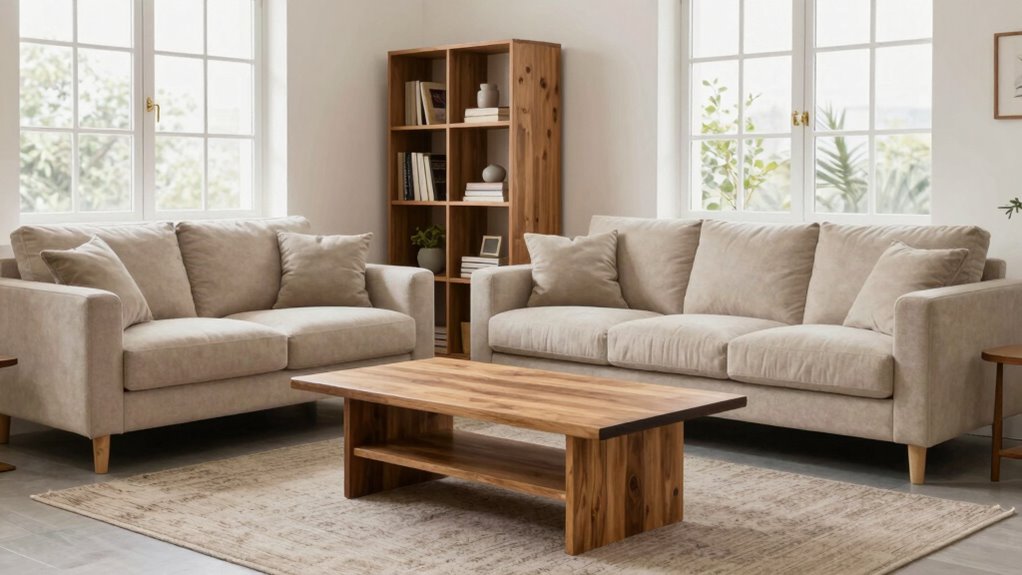
Have you ever experienced the frustration of furniture tipping over or feeling unstable? It’s a common problem that can turn a cozy space into a hazard in seconds. Prioritizing steady furniture placement isn’t just about safety; it’s about creating a functional and inviting environment. When your furniture is well-balanced and securely positioned, you gain peace of mind and a more enjoyable living space. One key aspect often overlooked is how stability influences your overall interior design, including color coordination and lighting enhancement. When furniture is prone to wobbling or shifting, it distracts from the visual harmony you aim to achieve. Proper placement ensures that your carefully chosen color schemes stand out without interruption, and your lighting fixtures cast the right ambiance. For instance, a sturdy sofa placed against a wall allows you to select complementary colors that enhance the room’s mood without fear of it tipping over or blocking light sources. Likewise, a stable coffee table positioned correctly not only anchors the seating area but also makes it easier to arrange lamps and lighting fixtures for maximum illumination. Stability also helps prevent clutter caused by furniture that moves or shifts, which can disrupt your color coordination efforts. When furniture remains fixed and secure, you can better plan how different hues interact within your space, creating a cohesive and balanced look. Proper placement also enhances lighting by allowing fixtures to be positioned precisely where they’re needed most. For example, a stable bookshelf or side table can serve as an anchor for lamps, ensuring that light is distributed evenly and effectively. This setup minimizes shadows and dark corners, making your space feel brighter and more welcoming. Additionally, stable furniture placement can prevent unnecessary wear and tear on your furnishings, extending their lifespan. A well-placed piece of furniture also contributes to interior harmony by establishing a sense of order that makes the room more inviting and easier to navigate. When furniture is placed with attention to stability, it often results in a more balanced layout, which enhances the overall aesthetic and functionality of the room. More importantly, stable furniture placement promotes a sense of order and calm. When everything is in its right place, your eye naturally moves smoothly through the room, appreciating the color contrasts and light arrangements without distraction or concern. It also reduces the risk of accidents that could damage your decor or cause injury. In fact, incorporating proper furniture placement can also improve the overall safety of your living environment, especially in households with children or elderly individuals. In essence, prioritizing stability over purely decorative symmetry ensures your space isn’t just beautiful but also practical and safe. When your furniture is secure and well-placed, it becomes easier to achieve a harmonious balance of color and light, transforming your room into a comfortable, functional haven. Ultimately, stability is the foundation upon which the best interior design is built—making sure your decor’s beauty is complemented by a safe and practical environment.
As an affiliate, we earn on qualifying purchases.
Frequently Asked Questions
How Do I Determine the Best Furniture Placement for Small Rooms?
To determine the best furniture placement for small rooms, start by creating miniature layouts on paper or with tape to visualize space. Focus on maintaining stable arrangements that don’t overcrowd the area. Use color coordination to make the room feel larger and more cohesive. Keep essential furniture accessible and avoid blocking windows or doors. Prioritize balance and flow, ensuring each piece contributes to a functional, comfortable space.
What Tools Can Help Ensure Furniture Stability?
To guarantee furniture stability, tools like furniture anchors and weight distribution strategies are essential. You can use furniture straps or wall anchors to prevent tipping, especially for top-heavy pieces. Additionally, visual aids like a level can help confirm proper alignment, while weight distribution methods ensure even support. These tools create a safer, more secure space, making your furniture both functional and firm, so you can relax without worry.
How Often Should I Rearrange My Furniture for Optimal Stability?
You should consider rearranging your furniture every six months to maintain ideal stability and guarantee it complements your space’s decorative balance. Regular adjustments help prevent wear and tear, keeping furniture secure. As you reorganize, focus on achieving aesthetic harmony by balancing visual weight. This routine not only boosts stability but also refreshes your room’s look, making it more inviting and functional.
Are There Specific Materials That Enhance Furniture Stability?
You should choose furniture made from materials with high material durability, like solid wood or metal, to enhance stability. These materials handle weight distribution better, preventing wobbling or tipping. Avoid lightweight or flimsy options, as they compromise stability and safety. By selecting sturdy materials, you guarantee your furniture stays securely in place, providing a safer, more stable environment that prioritizes function over decorative symmetry.
How Does Furniture Placement Affect Safety for Children?
Childproofing hazards are minimized when you carefully consider furniture placement, preventing accidents before they happen. You can enhance safety by anchoring heavy furniture to the wall, reducing the risk of tip-overs. Positioning items away from windows and in low-traffic areas keeps children safe while they explore. Thoughtful furniture arrangement creates a secure environment, allowing your little ones to play freely without worry, and guarantees your home remains a haven of safety and comfort.
Conclusion
Think of your furniture arrangement as the foundation of a sturdy house. When your pieces are stable and well-placed, your space feels secure and inviting—like a ship anchored firmly in calm waters. Prioritizing stability over decorative symmetry isn’t just about safety; it’s about creating a space where you can relax and truly thrive. So, anchor your furniture wisely, and let your home be a sanctuary that stands strong through any storm.
Fall Picks
fall essentials
As an affiliate, we earn on qualifying purchases.