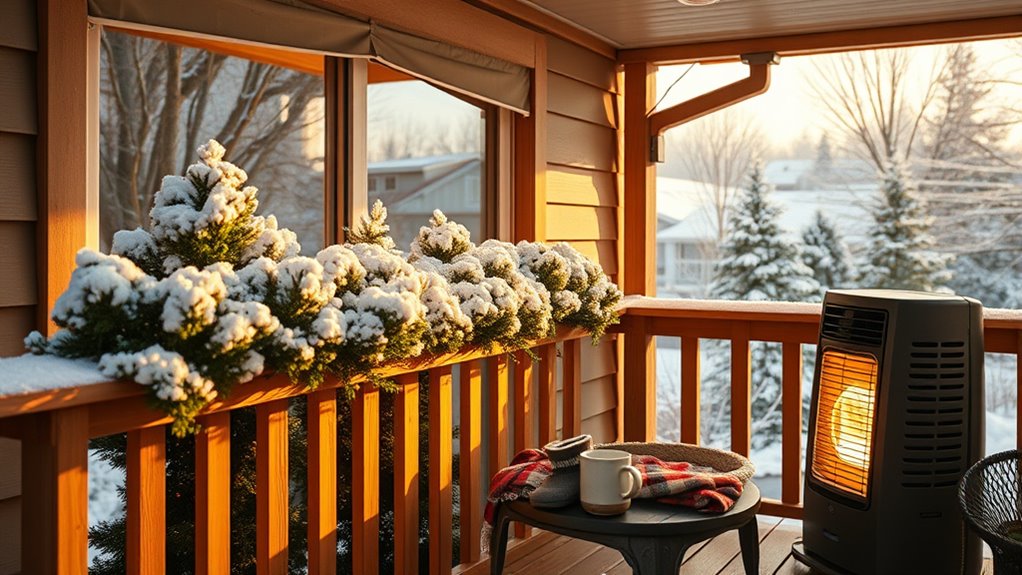

To winterize a senior’s home, start by checking and upgrading insulation in the attic, walls, and floors to keep heat inside. Schedule heater maintenance and change filters to guarantee it runs efficiently. Seal drafts around windows and doors with weather stripping or caulking, and use curtains to trap warmth at night. Also, test smoke and carbon monoxide detectors and keep vents clear. Taking these steps helps create a safer, cozier environment—learn more about protecting your loved ones this winter.
Key Takeaways
- Increase attic, wall, and floor insulation to retain heat and improve energy efficiency.
- Schedule professional heater maintenance, including filter changes and safety checks before winter.
- Seal gaps around windows and doors with weather stripping or caulking to prevent drafts.
- Test smoke and carbon monoxide detectors, and keep vents and chimneys clean for safety.
- Use curtains strategically to trap warmth, and set programmable thermostats for consistent comfortable temperatures.
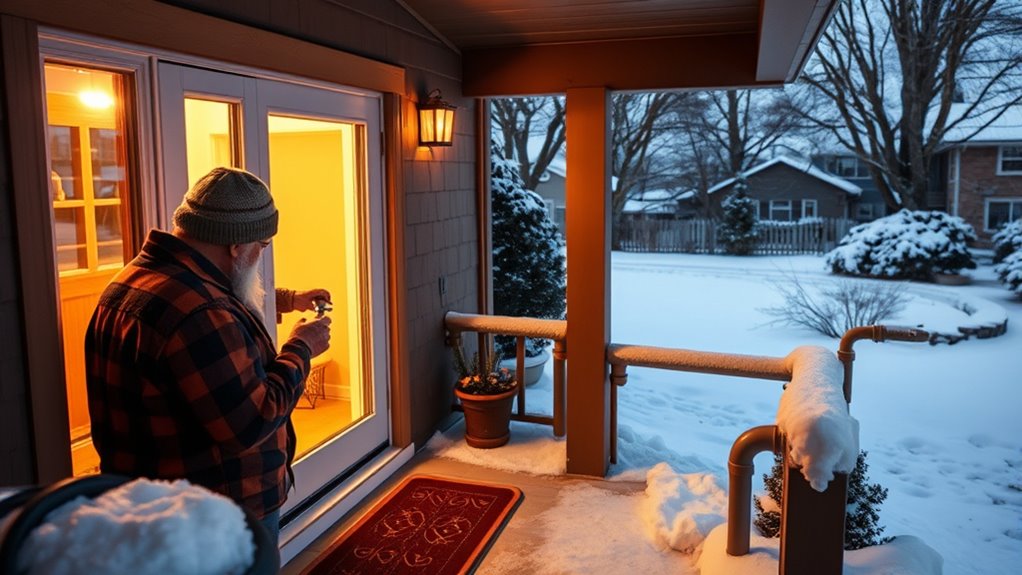
Are you prepared to keep your home safe and warm this winter? Ensuring your senior loved ones stay comfortable during the cold months requires more than just turning up the thermostat. One of the most effective ways to improve warmth and energy efficiency is through insulation upgrades. Proper insulation helps retain heat inside the home, preventing drafts and cold spots that can make living spaces uncomfortable and increase heating costs. Check the insulation in the attic, walls, and floors, and consider adding more if it’s outdated or insufficient. Well-insulated homes not only stay warmer longer but also reduce strain on your heating system, saving money in the long run.
Upgrading insulation keeps homes warmer longer and reduces heating costs, especially vital for senior comfort during winter.
In addition to insulation, heater maintenance plays a critical role in winter readiness. Before the cold weather hits, schedule a professional service to inspect and service the heating system. A thorough heater tune-up ensures that everything runs efficiently and reduces the risk of breakdowns during the coldest days. Change filters regularly to improve air quality and system performance, and ask the technician to check for leaks or issues that could cause carbon monoxide leaks or fire hazards. Keeping the heater in tip-top shape guarantees reliable warmth when you need it most and can help extend the lifespan of the equipment.
You should also consider additional steps to boost energy efficiency and safety. Seal any gaps or leaks around windows and doors with weather stripping or caulking to prevent heat from escaping. Installing draft stoppers or door sweeps can further block cold air from seeping in. These simple measures can make a noticeable difference in maintaining a cozy indoor environment. Keep curtains open during sunny days to let natural heat warm the space, and close them at night to trap the warmth inside. It’s also wise to set your thermostat to a comfortable and safe temperature, usually around 68°F, and use programmable thermostats to avoid unnecessary heating when nobody’s home or during nighttime.
Finally, ensure that smoke and carbon monoxide detectors are functional and have fresh batteries. These devices are essential safety tools, especially when heating systems are in use. Regularly check and clean any vents or chimneys if your home uses wood or gas heating, to prevent dangerous buildup of gases or fire hazards. Proper insulation and regular heater maintenance are key to a safe and warm environment for your senior loved ones. By taking these steps—upgrading insulation, maintaining your heater, sealing drafts, and ensuring safety devices are working—you create a warm, safe environment for your senior loved ones. Preparing now means fewer worries later, giving everyone peace of mind during the coldest months.
Frequently Asked Questions
When Is the Best Time to Start Winterizing a Senior’s Home?
You should start winterizing a senior’s home in early fall, around September or October, to guarantee seasonal maintenance is complete before the cold weather hits. Focus on improving home insulation, sealing drafts, and inspecting heating systems. By acting early, you prevent costly repairs and keep your loved ones warm and comfortable. Don’t wait until temperatures drop markedly—early preparation makes winter safer and more manageable.
How Can I Check for Hidden Drafts in the House?
To check for hidden drafts, you should perform draft detection by holding a lit candle or incense stick near windows, doors, and outlets, watching for flickering. Conduct an insulation assessment by feeling for cold spots on walls and floors. Seal any leaks with weather stripping or caulk to improve insulation. This process helps you identify areas where warm air escapes, making your home more energy-efficient and comfortable during winter.
What Emergency Supplies Should I Keep on Hand?
Think of your home as a fortress against winter’s chill. You want to have an emergency kit stocked with essentials like bottled water, non-perishable food, batteries, and warm blankets. Keep a well-stocked first aid kit nearby for any minor injuries. Flashlights, extra batteries, and a portable phone charger are crucial. These supplies make certain you’re prepared to face power outages or other unexpected emergencies during cold weather.
How Often Should Heating Systems Be Inspected During Winter?
You should inspect your heating system at least once a month during winter. Regular HVAC maintenance helps keep your system running efficiently and safely. Additionally, schedule boiler servicing annually to prevent breakdowns and guarantee peak performance. During inspections, check for any leaks, blockages, or unusual noises. Staying proactive with these maintenance routines helps maintain a warm, safe environment for seniors and reduces the risk of emergency repairs.
Are There Specific Safety Tips for Elderly Residents During Cold Weather?
You need to stay alert during cold weather, as small hazards can turn dangerous. Keep fire safety in check by installing smoke alarms and avoiding overloaded outlets. Prevent falls by clearing walkways and adding non-slip mats. Dress warmly in layers, and remind seniors to stay active indoors. Regularly check heating devices and make sure proper ventilation. These safety tips help protect elderly residents from cold-related accidents and emergencies.
Conclusion
By winterizing your home now, you can prevent costly repairs and keep your loved ones safe. Some believe that a well-prepared home naturally stays warmer and reduces energy bills, which is true—insulation and sealing drafts make a real difference. Don’t wait until the cold hits; taking proactive steps guarantees comfort and safety throughout winter. Remember, a little effort now can save you stress and money later, proving that preparedness truly pays off.