TL;DR
Recent studies indicate that modern interior decor may be contributing to mental strain. Experts warn that certain design choices could affect brain function and emotional well-being, prompting calls for more mindful decorating practices.
Emerging scientific studies suggest that modern interior decor styles might be contributing to increased mental stress and cognitive overload in individuals. Experts warn that design choices emphasizing minimalism, stark color schemes, and clutter-free environments could have unintended negative effects on brain function and emotional health.
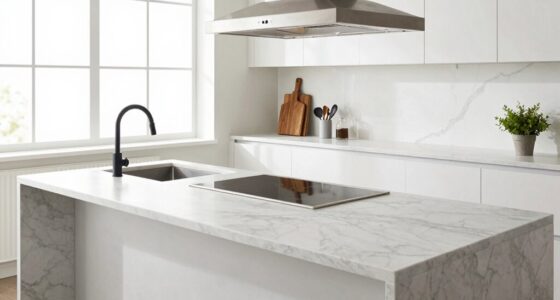
Recent research from cognitive scientists and psychologists indicates a potential link between contemporary interior design trends and mental strain. These studies point to features such as monochromatic color schemes, sparse furnishings, and uniform textures as factors that may reduce sensory stimulation, leading to feelings of disconnection or increased mental fatigue. Interior design experts and neuroscientists are now examining how these environments impact cognitive load, attention span, and overall well-being.
While these findings are preliminary, some mental health professionals have observed that patients report feeling more anxious or less focused in highly modern, minimalist spaces. A study published in the Journal of Environmental Psychology notes that environments lacking visual complexity might hinder natural cognitive processing, especially in individuals prone to sensory overload.
Design industry leaders acknowledge that the trend toward minimalism and sleek aesthetics is driven by consumer preference, but some are advocating for more balanced approaches that incorporate warmth and visual interest to support mental health.
Implications of Modern Decor on Mental Well-Being
This emerging research highlights the importance of considering mental health in interior design. If certain styles are shown to increase cognitive strain, it could influence consumer choices, design standards, and mental health recommendations. The potential link between environment and mental health underscores the need for more mindful decorating practices that support emotional resilience and cognitive functioning.
For homeowners, designers, and mental health professionals, understanding how decor impacts the brain could lead to the development of guidelines promoting healthier interior environments. This research also raises questions about the long-term effects of living in highly stylized, minimalist spaces on mental health, especially for vulnerable populations.
As an affiliate, we earn on qualifying purchases.
Rise of Minimalist and Modern Design Trends
Over the past decade, interior design has shifted toward minimalism, characterized by clean lines, neutral palettes, and clutter-free spaces. This movement has been driven by a desire for simplicity, functionality, and aesthetic appeal, with many brands and designers promoting ‘less is more.’ However, recent psychological studies suggest that these environments may inadvertently contribute to cognitive fatigue, particularly in individuals sensitive to sensory input.
Previous research has shown that cluttered or overly stimulating environments can cause stress, but the new focus is on whether overly sparse or uniform spaces might have the opposite effect—reducing sensory input to a degree that hampers mental engagement and emotional comfort. Experts note that this is a developing area of study, and definitive conclusions are yet to be established.
“Our preliminary findings suggest that environments with minimal visual complexity may increase cognitive load and mental fatigue, especially in sensitive individuals.”
— Dr. Emily Carter, cognitive neuroscientist
Unconfirmed Aspects of Decor’s Impact on Brain Function
It remains unclear how widespread or long-term the effects of modern decor styles on mental health are. Most studies are preliminary, and more research is needed to establish causality and identify specific design features that may be harmful. Additionally, individual differences in sensory processing mean that effects may vary significantly among different populations.
Future Research and Design Recommendations
Researchers plan to conduct larger, longitudinal studies to better understand the relationship between interior decor and mental health. Meanwhile, interior designers and mental health experts are calling for more nuanced guidelines that balance aesthetic appeal with psychological well-being. Consumers may soon see recommendations encouraging environments that combine modern aesthetics with sensory richness and comfort.
Key Questions
Can modern decor styles really cause mental strain?
Current research suggests a possible link, but more studies are needed to confirm causality. Some individuals report feeling more anxious or fatigued in minimalist environments.
What design features might negatively affect mental health?
Features such as monochromatic color schemes, sparse furnishings, and lack of visual interest are being examined for their potential to increase cognitive load and reduce emotional comfort.
Should I avoid modern decor if I feel stressed?
Not necessarily. It may be beneficial to incorporate elements that add warmth and visual interest to create a more balanced environment. Consulting with interior design and mental health professionals can help tailor spaces to individual needs.
Are these findings applicable to all age groups?
Research is still in early stages, and effects may differ across age groups and individual sensitivities. Further studies are needed to understand demographic variations.
Source: hn