One common mistake in small spaces is using mismatched or overly bold colors that make the room feel crowded. To fix this, stick to light, neutral shades that reflect light and create openness. Avoid placing all furniture against walls; instead, arrange multi-purpose pieces thoughtfully to maximize space. Combining cohesive colors with strategic furniture placement boosts spaciousness and flow. Keep these tips in mind, and you’ll discover more ways to transform your small space into a stylish, inviting area.
Key Takeaways
- Avoid cluttered layouts by using multi-purpose furniture and creating designated zones for better organization.
- Use light, neutral colors and subtle accent shades to enhance openness and prevent visual overcrowding.
- Refrain from pushing all furniture against walls; instead, arrange pieces to maximize space and natural light.
- Choose appropriately scaled, sleek furniture to prevent overwhelming small spaces and ensure comfort.
- Incorporate thoughtful color coordination and strategic furniture placement to improve flow and create a spacious feel.
Have you ever wondered what makes a space feel truly inviting and stylish? Often, it comes down to the details that might seem small but have a huge impact. When designing a small space, two key factors to focus on are color coordination and furniture placement. These elements can transform a cramped, cluttered room into a cozy, functional haven.
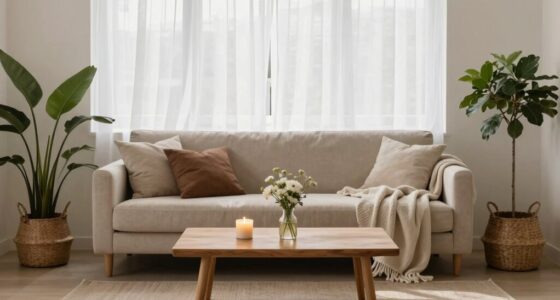
Start with color coordination. In small spaces, the wrong colors can make the room feel even tighter. Bright, bold hues might seem like a good idea, but they can overwhelm the senses, making the room feel chaotic. Instead, opt for a cohesive color palette that promotes flow and openness. Light, neutral shades like soft whites, beiges, or pastels reflect light and create a sense of airiness. To add interest, incorporate subtle variations or accent colors through accessories or artwork. This approach prevents the space from feeling flat while maintaining a sense of harmony. When you carefully choose your colors, you guide the eye smoothly around the room, avoiding visual clutter and making the space seem larger.
Choose light, cohesive colors to make small spaces feel open and airy.
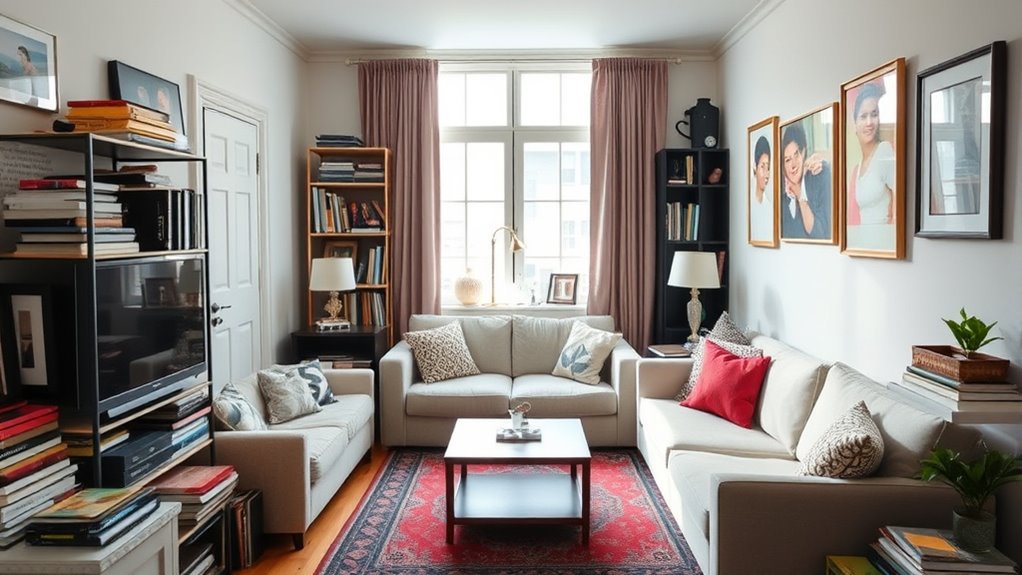
Furniture placement is equally vital, especially when square footage is limited. Many make the mistake of pushing all the furniture against the walls, which can block natural light and disrupt the room’s flow. Instead, think about how to arrange your furniture to maximize space and functionality. Use multi-purpose pieces like ottomans with storage or fold-away tables that can be tucked away when not in use. When placing furniture, consider creating small zones within the room—a sitting area, a workspace, or a dining nook—so that each feels intentional and organized. Leave enough space between pieces to allow for easy movement; cramped furniture makes a room feel smaller and more chaotic. Also, avoid overcrowding by choosing appropriately scaled furniture that fits the room’s size. A large sofa in a tiny apartment can dominate the space, so opt for sleeker, more streamlined options.
Combining thoughtful color coordination with smart furniture placement can dramatically improve your small space. Keep your color palette light and cohesive, and arrange your furniture in a way that encourages openness. These simple but effective strategies help your room feel more spacious, inviting, and stylish—no matter how small it is. When you pay attention to these details, you’ll create a space that feels comfortable and visually appealing, making every square inch work for you.
Frequently Asked Questions
How Can I Make a Small Space Appear Larger Without Clutter?
To make your small space appear larger, start by choosing multi-functional furniture that saves space and adds versatility. Use strategic lighting to brighten the room and create an open feel. Keep clutter to a minimum by organizing carefully and selecting storage solutions that blend seamlessly. Light colors and simple decor also help, making the space seem more expansive without overwhelming it. These tips make your small space feel bigger and more inviting.
What Are the Best Storage Solutions for Tiny Rooms?
You can maximize your tiny room with smart storage solutions like multi-functional furniture, such as beds with built-in drawers or fold-out desks. Hidden storage options, like under-the-stairs compartments or concealed wall shelves, keep clutter out of sight and free up space. By choosing these clever solutions, you make your small room more organized and spacious without sacrificing style or functionality.
How Do I Choose the Right Furniture Size for Small Spaces?
To select the right furniture size for small spaces, focus on proportion, scale, and comfort. Select pieces that fit your room without overwhelming it; ideally, they should complement the space without making it feel cramped. Measure your area carefully, and opt for furniture that’s appropriately scaled—neither too big nor too small—so you maintain a balanced, comfortable environment. This approach guarantees your space feels open yet functional.
What Colors Make a Small Room Feel More Open?
You might think dark colors make a room feel smaller, but with color psychology and visual illusions, you can create a sense of openness. Light shades like whites, pastels, and cool blues reflect more light, making your space seem larger. Incorporate these colors in walls, furniture, or accessories. Bright, airy hues boost mood and give the illusion of more space, transforming your small room into a welcoming, open environment.
How Can I Incorporate Personal Style Without Overcrowding?
To incorporate your personal style without overcrowding, choose a few meaningful decorative accessories that reflect your personality. Keep your space open by displaying only pieces that truly speak to you, avoiding clutter. Mix in personal expression through artwork or unique items, but prioritize functionality. This balance helps your space feel authentic and stylish without feeling cramped, making it easier to enjoy your home comfortably.
Conclusion
Now that you know the common small space mistakes and how to fix them, you’re ready to transform your home. Did you know that 85% of people feel more relaxed in a well-designed, clutter-free space? By avoiding mistakes like overcrowding and poor lighting, you can make your small space feel larger and more inviting. Just a few tweaks can make a huge difference—so get started and enjoy your beautifully optimized home!