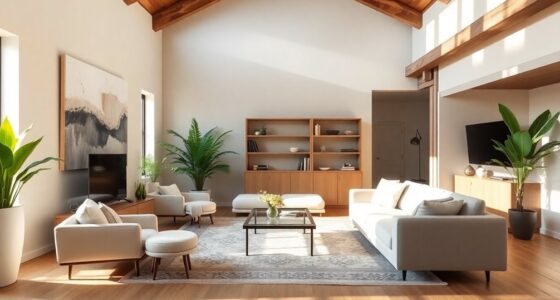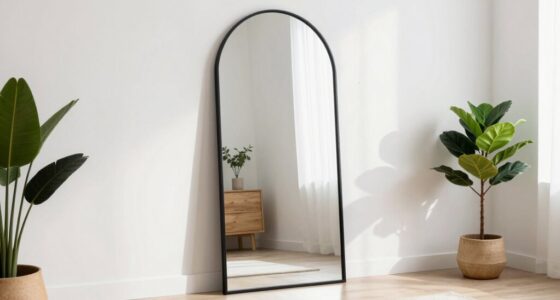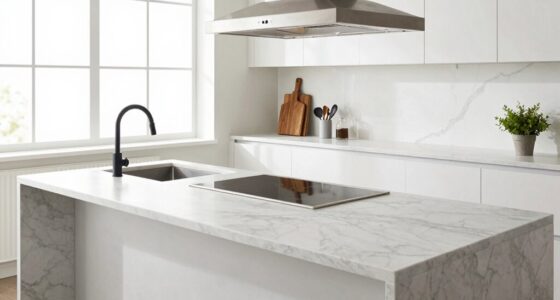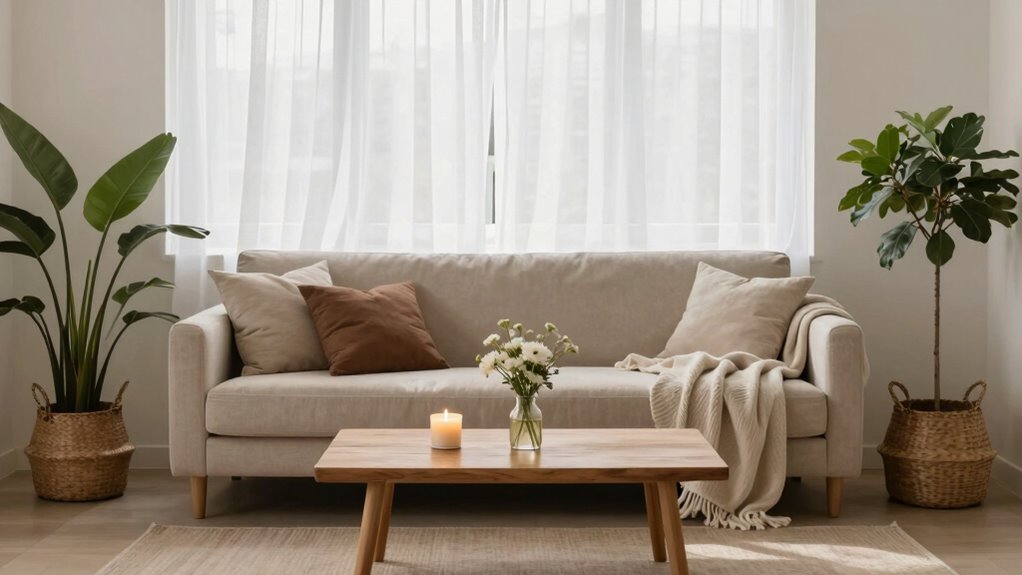

To make your home feel calm on purpose, focus on intentional design that nurtures your well-being. Use soothing colors, layered lighting, and natural elements like plants and water features to create a serene atmosphere. Declutter regularly, carve out quiet relaxation zones, and arrange your space for easy flow and movement. Incorporate calming scents and sounds to enhance your sanctuary. Keep exploring how these simple changes can transform your space into a true haven of peace.
Key Takeaways
- Incorporate natural elements like plants, water features, and organic materials to foster tranquility and a connection to nature.
- Use calming colors, layered lighting, and sensory elements such as gentle scents and sounds to promote relaxation.
- Design dedicated relaxation zones with comfortable seating, soft textures, and minimal clutter for mental and physical retreat.
- Opt for simple, intentional layouts that reduce stress, enhance space flow, and support mindfulness practices.
- Prioritize clutter-free environments with sustainable materials and energy-efficient solutions to create a sustainable, peaceful home.

Costa Farms Money Tree Live Plant in Decorative Pot, Air Purifying Indoor Houseplant, Perfect for Home, Room, or Office Decor, Great House Warming or Birthday Gift, 8-10 Inches Tall
INSTANT ROOM DÉCOR UPGRADE: The braided trunk of this small live Money Tree plant symbolizes good luck and…
As an affiliate, we earn on qualifying purchases.
As an affiliate, we earn on qualifying purchases.
Why Creating a Calm Home Matters for Your Well-Being
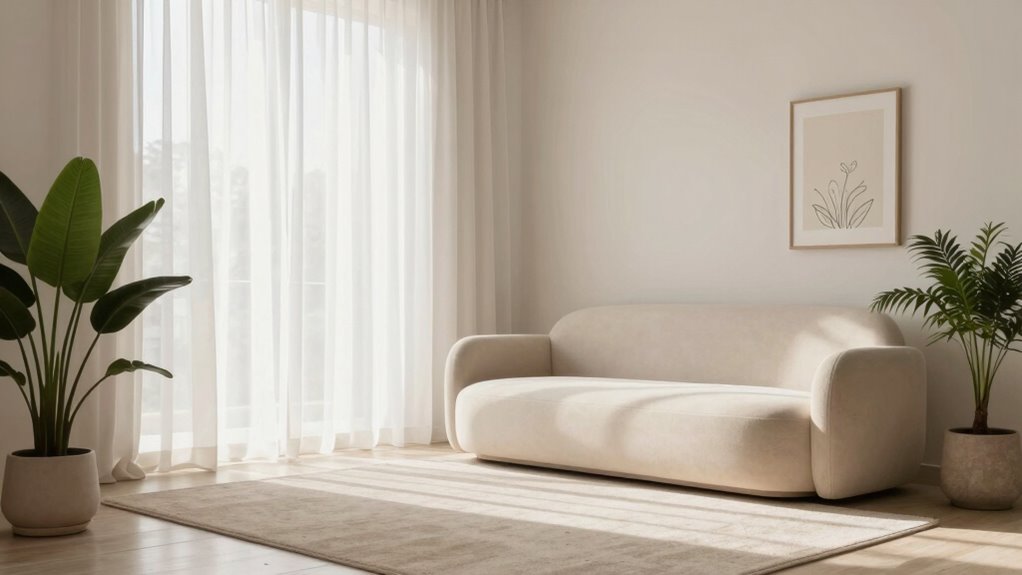
A calm home environment directly supports your mental and physical well-being. When your space promotes tranquility, it helps reduce stress and improves overall health. Feng shui principles play a key role by optimizing energy flow, ensuring positive vibes circulate freely throughout your home. Clutter-free spaces, balanced furniture placement, and natural elements enhance this flow, creating a sense of harmony. Incorporating energy-efficient solutions can further enhance sustainability and comfort in your living space. A peaceful environment allows you to relax, recharge, and focus better, contributing to emotional stability. When your surroundings foster calmness, you’re more likely to experience improved sleep and increased resilience to daily challenges. Prioritizing a serene atmosphere isn’t just about aesthetics; it’s about nurturing your wellness on every level through mindful design. Incorporating elements like home theatre projectors can also enhance your relaxation space, making your environment even more conducive to calmness. Additionally, integrating natural lighting can significantly boost your mood and overall sense of tranquility. Paying attention to indoor air quality further supports a healthier, more calming indoor environment. Enhancing energy flow through mindful design can create a more balanced and restorative home atmosphere.

Govee RGBIC LED Strip Lights, Smart LED Lights for Bedroom, Bluetooth LED Lights APP Control, DIY Multiple Colors on One Line, Color Changing LED Strip Lighting Music Sync, Home Decor, 16.4ft
Smart RGBIC Effects: RGBIC LED Strip lights for bedroom display multiple colors on one line at a time…
As an affiliate, we earn on qualifying purchases.
As an affiliate, we earn on qualifying purchases.
What Is Wellness Home Design and How Does It Help?
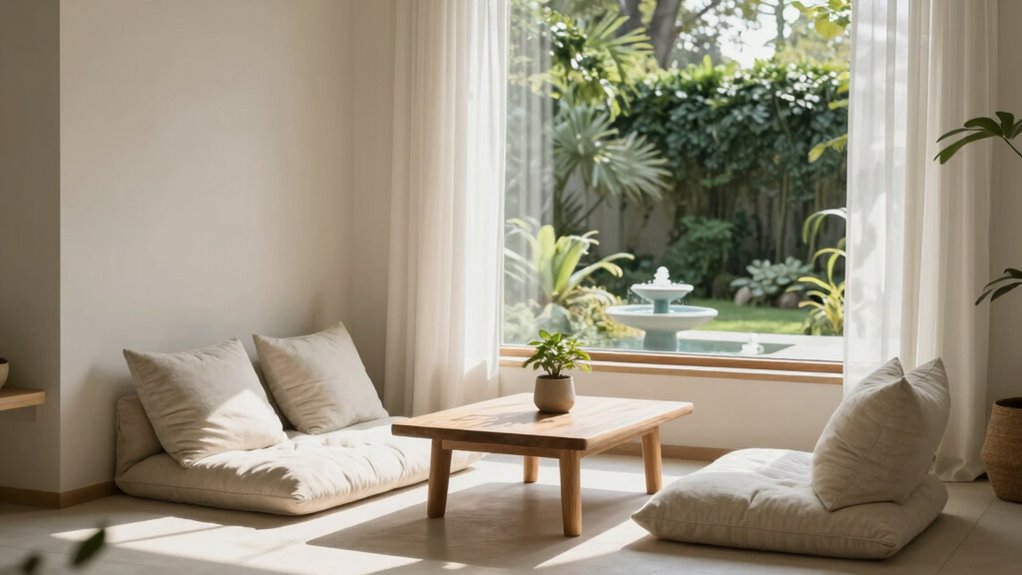
Ever wondered how your home design can actively promote your well-being? Wellness home design focuses on creating a space that nurtures your mind and body through mindful decor and wellness rituals. It emphasizes simplicity, natural elements, and intentional layouts to reduce stress and enhance calm. By incorporating soothing textures, clutter-free spaces, and calming scents, you set the stage for relaxation. Incorporating indoor air quality considerations into your design can further support your health and comfort every day. Using high-quality air purifiers can significantly improve indoor air, removing pollutants and allergens that compromise your well-being. Additionally, understanding home energy integration can help optimize your environment for comfort and safety, creating a more energy-efficient living space that benefits both your health and the planet.

Homedics Tabletop Water Fountain, Home Décor Soothing Sound Machine – Automatic Pump, Deep Basin & Natural River Rocks. Indoor Zen Relaxation for Office, Living Room, or Bedroom, 8.25” Tall
Decorative Tabletop Fountain: Showcase EnviraScape’s Silver Springs Relaxation Fountain on Display to bring a calming, Zen feel to…
As an affiliate, we earn on qualifying purchases.
As an affiliate, we earn on qualifying purchases.
How to Use Color and Lighting to Foster Relaxation

Colors and lighting play a pivotal role in shaping the atmosphere of your home, directly influencing your sense of relaxation and well-being. Using color psychology, choose calming hues like soft blues, gentle greens, or neutral tones to create a soothing environment. These colors promote tranquility and reduce stress. Incorporate lighting techniques such as warm, diffused light to foster comfort and calmness. Avoid harsh, bright lights that can overstimulate your senses. Instead, opt for layered lighting—combining ambient, task, and accent lights—to create a balanced, relaxing space. Dimmer switches are also effective, allowing you to adjust the mood as needed. By thoughtfully selecting colors and lighting, you craft an environment that naturally encourages relaxation and mental clarity. Additionally, integrating natural elements such as wood or stone can further enhance a calming atmosphere by connecting your space to the outdoors. Being mindful of lighting techniques ensures your environment remains adaptable to different moods and activities. Understanding energy flow patterns, such as wave and wind movements, can also influence your home’s energy flow, promoting a more harmonious and serene setting. Incorporating cruise ship design principles can provide insights into creating soothing environments that foster relaxation at home.

ASAKUKI Essential Oils, Essential Oil for Diffusers for Home, Well-Being Kit Gifts for Mom- Calm Mind, Sweet Dreams, Happy, Relax, Air Freshening, Immunity for Aromatherapy, Humidifiers, 6x10ml
Essential Oil Blends: Introduce the long-lasting, pleasant, and relaxing aroma to your home with our Well-being aromatherapy diffuser…
As an affiliate, we earn on qualifying purchases.
As an affiliate, we earn on qualifying purchases.
Incorporating Natural Elements Like Plants and Water Features
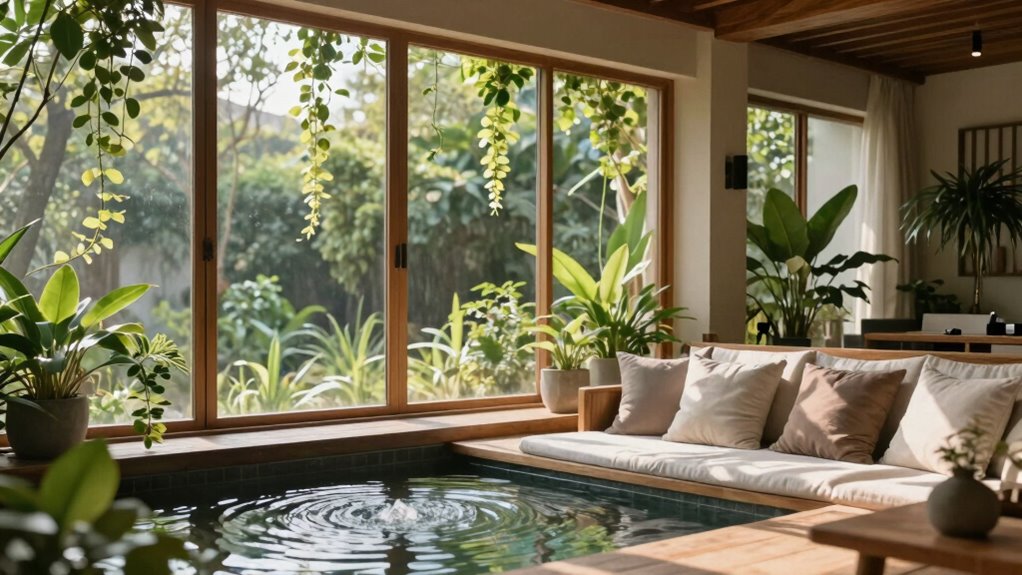
Incorporating natural elements like plants and water features can considerably enhance the sense of tranquility in your home. You might start with simple additions like an indoor herb garden, which offers fresh herbs and a calming green touch. Next, consider installing decorative water features such as small fountains or tabletop waterfalls, creating soothing sounds and visual interest. Finally, add potted plants or lush greenery to your living space to purify the air and connect you with nature. These elements work together to evoke a peaceful atmosphere, reduce stress, and foster mindfulness. By thoughtfully integrating indoor herb gardens and decorative water features, you create a sanctuary that naturally promotes relaxation and well-being. Incorporating natural elements through home improvement techniques can help you seamlessly integrate these elements into your existing space, enhancing both aesthetics and comfort. Additionally, incorporating biodiversity into your home environment can support local ecosystems and improve overall well-being. Engaging with indoor plants can also boost mental health by creating a more vibrant and lively atmosphere.
Decluttering Tips to Create a Peaceful, Stress-Free Space
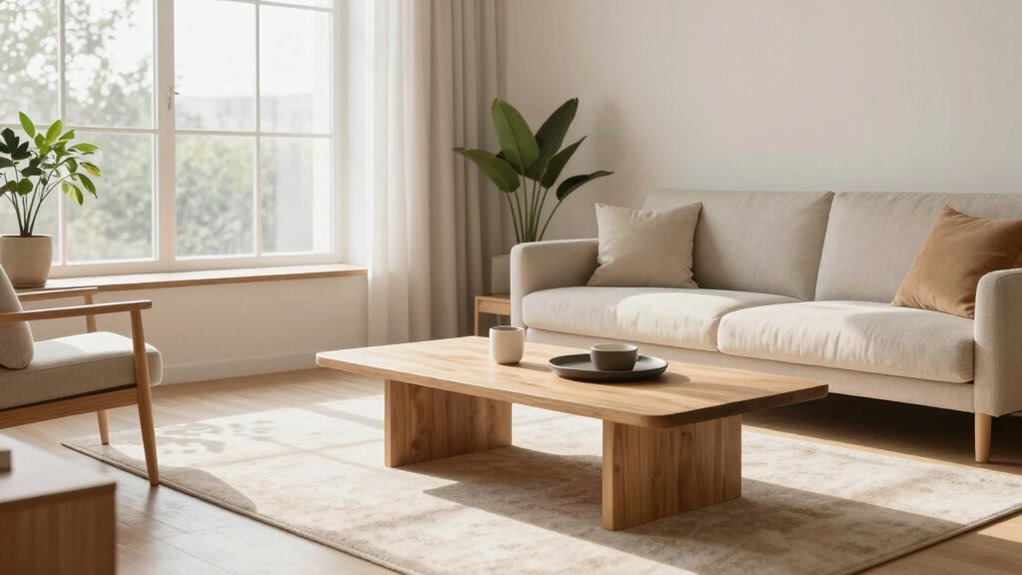
Adding natural elements like plants and water features already creates a calming environment, but maintaining that tranquility requires a clutter-free space. To achieve this, focus on organization tips that promote simplicity and ease of access. Start by sorting items into categories and removing what you no longer need or use, embracing minimalism principles. Use storage solutions like baskets, bins, or shelves to keep surfaces clear and maintain visual calm. Regularly reassess your space, getting rid of clutter that accumulates over time. Keep only the essentials and meaningful objects visible, reducing distractions and promoting relaxation. Incorporating mindful space management practices can enhance your environment’s serenity. Additionally, applying decluttering techniques inspired by principles of organization can further support a peaceful atmosphere. Developing a consistent maintenance routine ensures your space stays calm and clutter-free over the long term. Incorporating water features, such as small fountains or aquariums, can add a soothing auditory element that promotes relaxation and masks noise. By intentionally decluttering, you create a peaceful environment that nurtures your well-being and supports a sense of calm on purpose. Practicing auditory processing strategies can also help minimize noise distractions and promote a quieter, more relaxing home environment.
Choosing Soothing Textures and Materials for Comfort
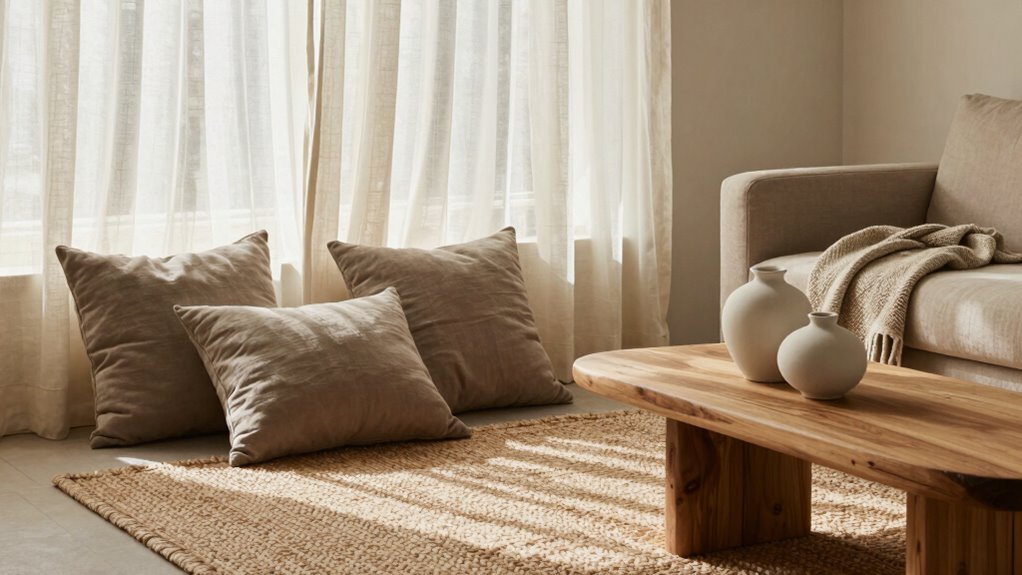
Choosing the right textures and materials can instantly make your space more relaxing. Soft fabrics, natural elements, and layered textiles help create a sense of calm and comfort. By selecting these soothing materials, you set the foundation for a truly wellness-focused environment. Incorporating quality and client satisfaction in your material choices ensures that your space remains both durable and inviting.
Soft Textures for Serenity
Soft textures instantly evoke a sense of calm, making them essential for creating a serene wellness space. Incorporate textures that invite touch and comfort, such as textured walls or plush rugs. These elements add depth and coziness without overwhelming the senses. Consider these options:
- Use textured walls with subtle patterns or finishes to create visual interest and a soothing backdrop.
- Place plush rugs under your feet to add warmth and softness, making your space feel more inviting.
- Layer soft throws and cushions made of gentle fabrics to enhance comfort and encourage relaxation.
Natural Materials for Calm
Natural materials naturally create a calming atmosphere, making them ideal for wellness spaces. By choosing sustainable design elements like bamboo, cork, and reclaimed wood, you bring warmth and authenticity into your home. These materials often feature subtle textures that promote relaxation without overwhelming your senses. Opting for natural finishes supports minimalist aesthetics, helping you maintain clean lines and clutter-free spaces that foster tranquility. Using organic textiles and stone accents enhances the sense of harmony, grounding your environment in nature. When you prioritize natural materials, you not only create a peaceful sanctuary but also support eco-friendly practices. This approach guarantees your home feels intentionally calm, inviting you to unwind and recharge in a space that aligns with your wellness goals.
Layered Fabrics for Comfort
Layered fabrics instantly enhance comfort by adding depth and warmth to your wellness space. Using cozy textiles creates a tactile environment that soothes your senses. To achieve this, consider these tips:
- Mix different textures like soft cotton, plush velvet, and chunky knit to create visual and tactile interest.
- Layer blankets and throws in varying weights for versatility and added warmth.
- Incorporate rugs and cushions with layered fabrics to anchor the space and invite relaxation.
Designing Relaxation Zones and Quiet Spaces in Your Home

Have you ever wondered how to create a peaceful retreat within your home? Start by designing dedicated relaxation zones and quiet spaces. A meditation corner can be simple: choose a corner with soft lighting, a comfortable cushion, and calming decor. Keep it clutter-free to foster tranquility. Cozy reading nooks are perfect for unwinding; add a plush chair or window seat, blankets, and gentle lighting to make the space inviting. Use natural elements like plants or calming artwork to enhance the sense of serenity. These spaces should feel separate from busy areas, offering a mental escape when you need it most. Focus on comfort, simplicity, and calming visuals, creating a sanctuary where you can relax and recharge effortlessly.
How Layout and Flow Can Promote Calm and Ease of Movement
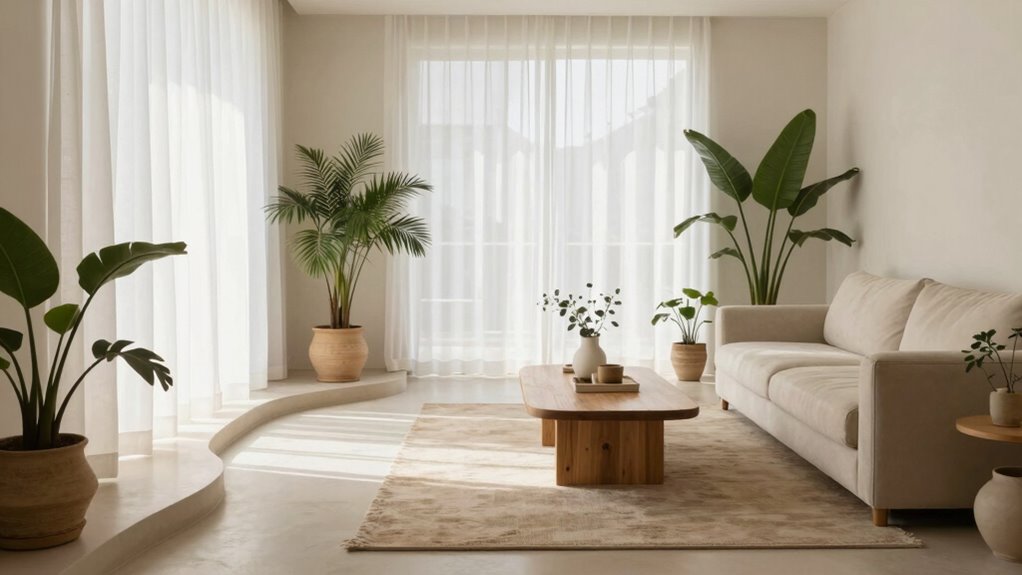
Creating a sense of calm within your home starts with thoughtful layout and flow. Achieving spatial harmony and flow optimization helps you move effortlessly and feel more relaxed. Focus on these key aspects:
Design your space with mindful layout and flow to foster calm and effortless movement.
- Arrange furniture to create clear pathways, reducing clutter and obstacles.
- Use open spaces to connect different zones, encouraging smooth progression.
- Balance visual weight and scale to promote harmony and prevent visual chaos.
Using Scent and Sound to Enhance Your Wellness Environment
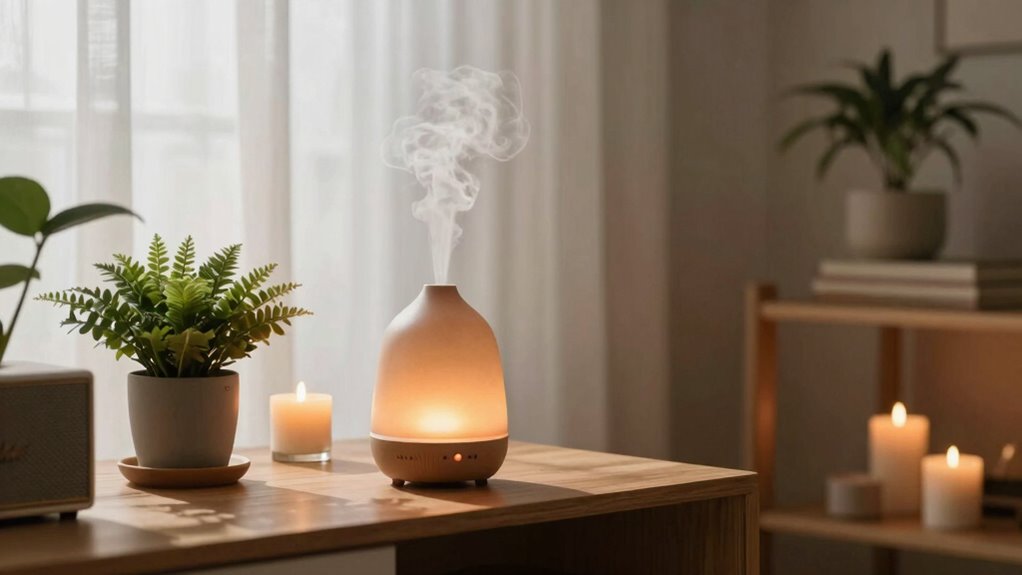
Did you know that the scents and sounds in your environment can profoundly influence your mood and sense of well-being? By choosing the right aromatherapy blends and soundscape selection, you create a calming atmosphere tailored to your needs. Pleasant scents like lavender or eucalyptus can reduce stress, while gentle background sounds promote relaxation. Consider experimenting with different aromatherapy blends to find what soothes you best. Similarly, select sounds that promote calm—such as flowing water or soft nature noises. Use this table to explore options:
| Scent Type | Soundscape Selection | Effect |
|---|---|---|
| Lavender | Gentle waves | Stress relief |
| Eucalyptus | Forest sounds | Clear breathing, focus |
| Chamomile | Rainfall | Deep relaxation |
| Peppermint | Soft wind | Energizing, revitalizing |
| Vanilla | Birdsong | Comfort, warmth |
These choices help craft a peaceful, wellness-enhancing environment.
Personalizing Your Space to Reflect Your Calm and Values
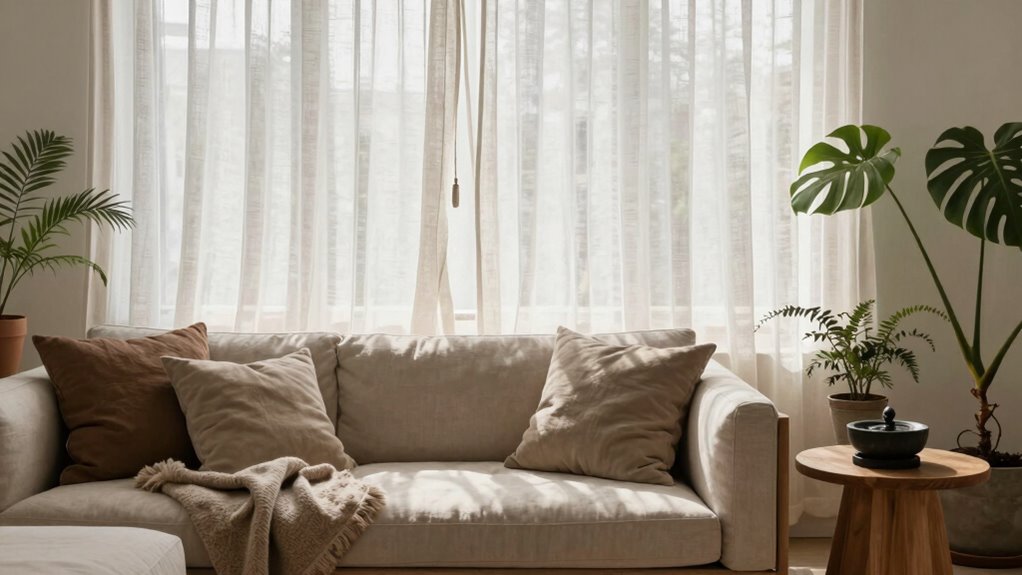
Your environment reflects who you are and can considerably impact your sense of calm. Personalizing your space with meaningful symbols and decor helps align it with your values and promotes tranquility. To do this effectively:
- Incorporate personalized decor that resonates with your identity, such as artwork or photographs that evoke positive feelings.
- Use meaningful symbols, like a family heirloom or spiritual object, to create a sense of connection and stability.
- Curate your space intentionally, removing clutter and emphasizing items that bring you peace.
Frequently Asked Questions
How Can I Maintain Calmness During Home Renovations?
To maintain calmness during home renovations, stay mindful of your emotions and expectations. Practice mindfulness by taking deep breaths and pausing regularly to center yourself. Create sensory serenity by using soothing scents, soft lighting, and calming sounds to reduce stress. Keep a dedicated space for relaxation, and communicate clearly with contractors. This proactive approach helps you stay grounded and ensures your home remains a peaceful sanctuary throughout the renovation process.
What Budget Options Exist for Wellness-Focused Home Upgrades?
Think of your home as a garden; small, budget-friendly upgrades can yield big wellness benefits. You can add calming elements like soft lighting, houseplants, or calming colors with affordable wellness solutions. Opt for budget-friendly upgrades like diffusers, cozy textiles, or air purifiers. These simple choices create a tranquil environment without breaking the bank, making your space a peaceful retreat that nurtures your well-being every day.
Are There Cultural Influences on Wellness Home Design?
Yes, cultural influences shape wellness home design through aesthetic choices and traditional influences. You might incorporate cultural aesthetics like Zen-inspired minimalism or vibrant colors from specific traditions to create a calming environment. Traditional influences can guide your layout, materials, and decor, helping you feel more connected and grounded. By blending these elements thoughtfully, you craft a space that promotes wellness while honoring cultural heritage and personal identity.
How Do I Balance Functionality and Aesthetics in Calming Spaces?
Finding the sweet spot between functionality and aesthetics keeps your calming space balanced. Don’t let one overshadow the other; instead, use decorative accents to add personality without cluttering. Focus on spatial harmony—arranging furniture and decor to create flow and ease. When you strike this balance, your space becomes both beautiful and practical, making it easier to unwind and feel at peace in your home.
Can Wellness Design Improve Mental Health Long-Term?
Yes, wellness design can improve your long-term mental health. By incorporating mindfulness practices and optimizing natural lighting, you create a calming environment that reduces stress and enhances mood. These intentional design choices promote relaxation and mental clarity, helping you develop healthier habits over time. You’ll feel more grounded and balanced daily, making your home not just beautiful but a true sanctuary for your mental well-being.
Conclusion
Think of your home as a sanctuary, a quiet lake reflecting your inner peace. Every calming color, gentle scent, and clutter-free corner acts as ripples spreading serenity throughout your life. When your space mirrors your calm, it becomes a mirror of your soul—a place where you can always find balance and renewal. By intentionally designing with purpose, you create a haven that nurtures your well-being, guiding you back to calm whenever life feels overwhelming.