TL;DR
A Hunker report describes conversation-first living rooms as a modern alternative to built-in conversation pits. The approach centers seating around a table or other focal point and turns furniture away from the television, creating a social layout that can be rearranged without altering the floor.
A furniture-based living room layout that turns seats toward one another offers a modern alternative to a built-in conversation pit, according to a report by Hunker. The design approach aims to make socializing the room’s focus without requiring homeowners to lower the floor or commit to a permanent architectural feature.

Get furniture and decor delivered free with Prime
- Fast, free delivery on millions of items
- Prime Video, Amazon Music and more included
- Member-only deals all year
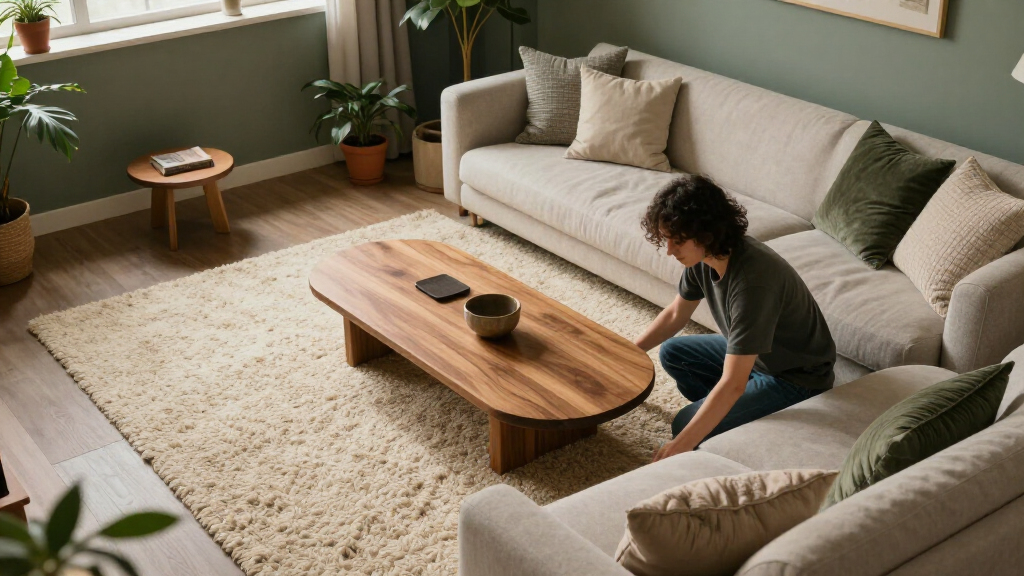
The layout works by reorienting furniture inward rather than arranging every seat around a television. Chairs and sofas can face one another across a central table, creating a defined gathering area intended for conversation, games, drinks or snacks. Hunker presents the change as a furniture rearrangement that can be done without construction.
Furniture expert Monika Puccio, speaking to House Beautiful as cited by Hunker, described the idea as designing for connection rather than making the screen the room’s center. The recommendation is not to remove a television, but to avoid letting it dictate the orientation of every seat.
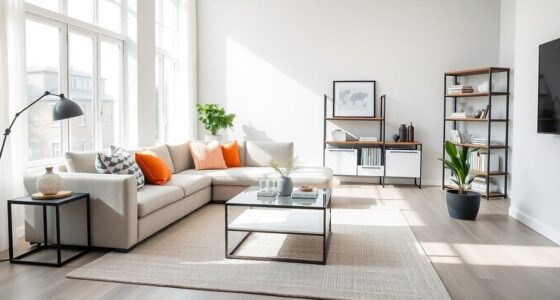
Hunker suggests starting with a focal point, such as a coffee table or rug, and arranging seating around it. Armchairs and smaller sofas can be angled inward; U-shaped couches and curved sectionals already lend themselves to the layout. Bookshelves, library tables or a sideboard can help mark the gathering area’s edges.
The approach offers homeowners a way to try a more conversation-centered room without the cost, permanence or disruption of remodeling. Because the design relies on movable furniture, residents can adjust it to fit the room, household routines or different kinds of gatherings. That flexibility contrasts with a sunken pit, which can constrain later furniture changes.
It also reframes a familiar design choice: where seating points can influence how a room is used. Inward-facing furniture gives people a clearer place to gather and makes face-to-face interaction easier, while seating aimed at a screen can make television viewing the default activity. The proposed benefit is a change in emphasis, not a guarantee that people will socialize more.
For renters or homeowners who do not want structural work, the arrangement provides a low-commitment option. The result depends on the available space and how people use it; the source does not offer measured evidence that the layout changes social behavior.
Products Worth Considering

LEVOIT Vital 200S-P Smart Air Purifier for Large Rooms, White

Bose Surround Speakers for Home Theater, Black

Dyson Ball Animal 2 Upright Corded Vacuum Cleaner, Fuchsia
As an affiliate, we earn on qualifying purchases.
From Sunken Pits to Moveable Seating
Conversation pits are sunken seating areas, typically lined with cushions and arranged around a central table. Hunker says the feature was widely used beginning in the 1950s and has recently been returning to design discussions. Their lowered, enclosed form is meant to make a living room feel intimate and encourage conversation.
That architectural approach has trade-offs. A sunken floor is a permanent alteration that can limit how a room is rearranged, and Hunker notes that level changes can create tripping hazards. The furniture-based alternative borrows the inward-facing arrangement without reproducing the pit itself. The report links the renewed interest in social layouts to human-centered design and greater attention to interaction beyond screens, but does not provide sales figures or survey data establishing the scale of that trend.
“Conversation-first living rooms are all about designing a space that encourages people to connect with one another, rather than focusing everything around a screen.”
— Monika Puccio, furniture expert, in an interview with House Beautiful, as quoted by Hunker
How Well It Fits Each Room
The report does not specify a particular room size, furniture spacing or accessibility standard for this arrangement. Whether inward-facing seats work in practice will depend on the room’s dimensions, entrances and circulation, as well as household needs. A central table or closely grouped chairs could make movement harder if the layout is too tight.
The source also does not establish how widely the design is being adopted or whether it measurably increases conversation. Its descriptions of coziness and connection are design aims, not documented outcomes. There is no information about product sales, consumer surveys or a formal study comparing social interaction in different living room layouts.
Try the Layout Before Committing
For readers interested in the idea, the practical next step described by Hunker is to rearrange existing furniture around a focal point and check whether people can sit, talk and move through the room comfortably. A rug or table can help define the seating zone, while chairs can be shifted or angled before making any larger purchase.
Because the arrangement is movable, it can be revised if it obstructs a walkway or does not suit everyday use. Hunker’s report does not announce a product launch, construction project or scheduled follow-up; the development is a design recommendation. Any broader trend claims would need additional data to establish how many households are adopting it.
Key Questions
What is a conversation-first living room?
It is a living room arranged so seats face inward toward one another and a shared focal point, rather than being oriented mainly toward a television.
Does this design require a sunken floor?
No. The Hunker report describes it as a furniture-based arrangement that aims to capture some of the intimacy of a conversation pit without floor construction.
How can someone arrange the seating?
Start with a coffee table, rug or other focal point, then angle armchairs or smaller sofas toward it. Curved or U-shaped seating can also create an inward-facing grouping.
What are the drawbacks of conversation pits?
They require a permanent floor alteration, can limit future room rearrangements and may create tripping hazards, according to Hunker.
Is there evidence that the layout leads to more conversation?
The report presents connection as the design’s intended benefit but cites no measured study showing that inward-facing furniture increases conversation.
Source: rss