
TL;DR

Get furniture and decor delivered free with Prime
- Fast, free delivery on millions of items
- Prime Video, Amazon Music and more included
- Member-only deals all year
House Beautiful reports that some designers are steering clients away from engineered quartz toward natural stone and porcelain slabs. The shift is a design trend, not a confirmed nationwide move away from quartz; the article cites an industry survey and a reported California proposal related to worker exposure to silica.
Some interior designers say clients are moving away from engineered quartz countertops and considering natural stone or porcelain instead, according to a House Beautiful report. The change reflects designers’ preferences and concerns about quartz’s performance and production hazards; it does not establish that quartz is being phased out across the country.
House Beautiful cites an annual National Kitchen & Bath Association trend report saying 78% of designers are sourcing quartzite, while fewer are selecting quartz. The source does not provide the survey’s year, respondent count or a precise comparison with earlier results, so the figure indicates reported sourcing activity rather than a measured nationwide decline in quartz sales.
Designers interviewed by the publication described quartz as consistent, durable and low-maintenance, but said they prefer the variation and character of natural stone. Some also said clients can expect too much from quartz: designer Jessica Risko Smith said it can show signs of age and take on stains. Steven Cooper characterized it as stain-resistant, not stain-proof.
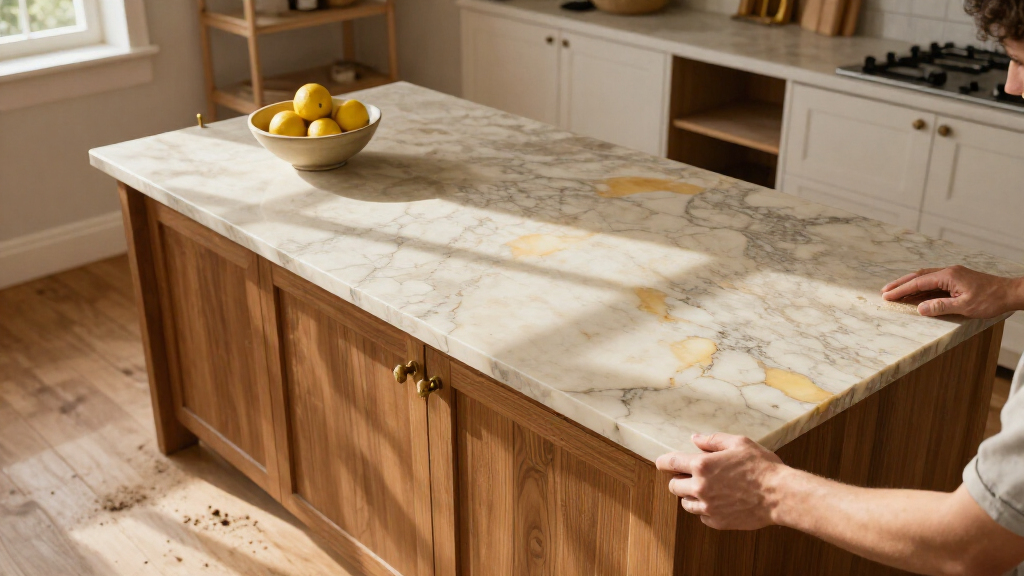
The alternatives named include quartzite, marble, soapstone, granite and porcelain slabs. The designers said natural stone can require more maintenance, while porcelain may suit clients seeking a durable surface or working to a budget. These are recommendations from the designers quoted, not a guarantee that every material will perform the same way in every home.
Choices Beyond Engineered Quartz
Countertops are a substantial home-renovation expense and can disrupt kitchen use during installation, so a change in designer recommendations may affect choices homeowners make for years. The report also challenges the assumption that quartz is a worry-free surface: its performance expectations, upkeep and appearance should be weighed alongside its price.
There is a separate worker-safety dimension. The article says crystalline silica exposure associated with engineered-stone fabrication has been linked to silicosis, a serious lung disease. That concern relates to the conditions under which slabs are manufactured and cut; it does not mean an installed countertop has been shown by this report to pose the same exposure risk to homeowners.
Products Worth Considering

Shark AI Ultra Robot Vacuum with Self-Empty Base

Ring Alarm 14-Piece Wireless Security System Kit

Google Nest Cam Indoor (Wired, 3rd Gen) – Security Camera – Snow
As an affiliate, we earn on qualifying purchases.
Why Designers Are Rethinking Quartz
Engineered quartz became a popular alternative to natural stone because it offers consistent patterns and is marketed for durability and relatively low maintenance. House Beautiful’s report says designers are reconsidering that appeal as some clients show more interest in natural variation and materials that develop a patina with use.
The report also describes California as preparing to ban production of engineered quartz because of silica-related worker health concerns. It gives no proposed effective date, legal text or status of the measure. San Diego designer Kilian Camp told the publication she sees the issue as regional for now, while predicting other states may take precautions. That prediction is her view, not a confirmed policy timetable.
““We’ve always felt that quartz lacks the depth, warmth, and individuality of natural stone.””
— Barrett Oswald, interior designer quoted by House Beautiful
Sales Trends and California Rules
The supplied report does not establish how much quartz purchasing has changed, whether the shift extends beyond the designers surveyed, or how the 78% figure compares with previous years. It also does not identify the survey’s field dates or methodology. The claim that quartz is “on its way out” is therefore stronger than what the cited information confirms.
The California measure is described as something the state is reportedly preparing, but the report does not name the proposal, confirm its current legal status or specify which products and activities it would cover. No broader state or federal restrictions are confirmed in the source material.
What Homeowners Should Watch
Homeowners considering a renovation can compare samples and ask fabricators and installers about each material’s maintenance, stain resistance, repair options, cost and suitability for the intended use. Natural stone’s appearance and upkeep vary by type; porcelain and quartz also have product-specific differences, so the designers’ broad recommendations should not replace product details or professional advice.
For the policy question, the next concrete development would be an official California proposal or regulatory announcement clarifying whether a production restriction is planned and when it could take effect. Until then, the report supports a shift in some designers’ preferences—not a confirmed nationwide replacement of quartz countertops.
Key Questions
What materials are designers recommending instead of quartz?
House Beautiful’s report names quartzite, marble, soapstone, granite and porcelain slabs. Designers’ recommendations depend on a homeowner’s budget, appearance preferences and willingness to maintain the surface.
Is quartz being banned across the United States?
No nationwide ban is confirmed in the source material. The report says California is reportedly preparing a measure concerning engineered quartz production, but gives no legal text or timetable.
Does quartz resist stains?
Designer Steven Cooper told House Beautiful that quartz is stain-resistant, not stain-proof. The report also cites a designer who said clients may have unrealistic expectations of its performance.
Is porcelain a lower-maintenance alternative?
The designers quoted describe porcelain as durable and recommend it for some clients, including those on a budget. The report does not provide comparative maintenance tests, so homeowners should check the specifications and care guidance for particular products.
Source: housebeautiful.com