Creating a DIY chalkboard wall is a fun way to add both style and functionality to your study space. Start by choosing a smooth, clean wall free of obstructions, then prep the surface with cleaning and light sanding. Use quality chalkboard paint and apply 2-3 coats, allowing each to dry thoroughly. Once cured, personalize your board with chalk, borders, or decorative elements. Keep reading to discover tips that make your project a smooth, lasting success.

Get furniture and decor delivered free — and shop member deals
- Fast, free delivery on millions of items
- Access to Prime Big Deal Days deals on October 6–7
- Prime Video, Amazon Music and more included
Key Takeaways
- Proper wall prep ensures a smooth, durable surface for your chalkboard wall, enhancing longevity and appearance.
- Choose high-quality chalkboard paint and apply 2-3 coats, allowing each to dry thoroughly for vibrant, even coverage.
- Use painter’s tape for clean edges and borders, and consider adding a chalk ledge or corkboard for added functionality.
- Allow the paint to cure for 24-48 hours before customizing with chalk or chalk markers.
- Personalize your space with borders, sections, or decorative elements to create a fun, functional study area.
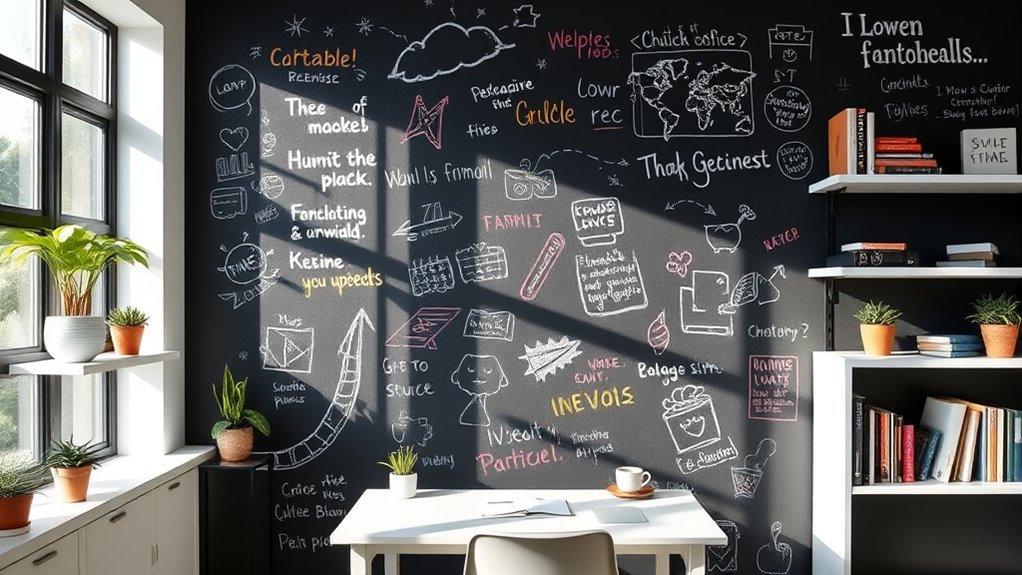
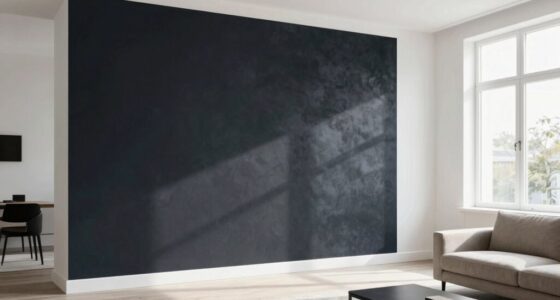
Ever thought about transforming an ordinary wall into a versatile chalkboard? Creating a DIY chalkboard wall is a fantastic way to add both fun and functionality to your study space. It’s a project that allows you to express your creative design ideas while making a practical addition that can serve as a planning area, a doodling spot, or a motivational quote wall. To get started, you’ll need to focus on proper wall preparation. This step is essential because it guarantees your chalkboard surface will be smooth, durable, and easy to clean. Begin by choosing a wall that’s free of obstructions and has a flat, even surface. Clear the area of furniture or decorations that might get in the way. Next, clean the wall thoroughly with soap and water or a mild cleaner to remove dust, grease, or any residue. Once dry, lightly sand the surface to eliminate any imperfections or old paint residues that could interfere with adhesion. After sanding, wipe the wall with a damp cloth to remove dust, then let it dry completely. Now, it’s time for the creative design phase. You can opt for a classic black chalkboard paint, which is widely available and easy to apply, or get more inventive with colored or patterned chalkboard paints. Use painter’s tape to mark off the edges for a clean, professional look, especially if you want a specific shape or border. When applying the chalkboard paint, use a high-quality brush or roller to guarantee an even coat. Usually, two or three coats are needed for a rich, solid finish. Let each coat dry thoroughly before applying the next, and be patient during this process to avoid streaks or uneven areas. Once the paint has cured completely, usually after 24-48 hours, you can start customizing your chalkboard wall. Use chalk or chalk markers to create borders, sections, or decorative elements that suit your style and needs. Consider adding a ledge beneath the board for chalk storage or installing a small corkboard or magnetic strips for extra functionality. Proper wall preparation is crucial because it sets the foundation for a smooth, long-lasting surface. The key to a successful DIY chalkboard wall is in the wall preparation, which sets the foundation for a smooth, long-lasting surface. With a bit of patience and some creative flair, you’ll have a stylish, practical feature that energizes your study space. It’s a project that not only enhances your room’s aesthetic but also encourages organization and creativity every time you step into your space.
As an affiliate, we earn on qualifying purchases.
Frequently Asked Questions
How Do I Remove Chalk Stains From My Painted Chalkboard Wall?
To remove chalk residue from your painted chalkboard wall, start by gently erasing as much as possible. Then, use a damp cloth with mild cleaning solutions like a mixture of water and a small amount of vinegar or a gentle dish soap. Avoid harsh chemicals, as they can damage the paint. Wipe the wall clean, and dry it with a soft cloth to prevent streaks and residue buildup.
What Are the Best Tools for Creating Clean Chalk Lines?
To create clean chalk lines, you should use the right chalk line tools, such as a chalk line reel or straightedge for precise marking. Pair them with painter’s tape to get crisp edges and prevent smudging. Apply painter’s tape carefully along your desired line, then use your chalk line tools to mark or snap the line. This combo guarantees sharp, professional-looking results every time.
Can I Use a Chalkboard Wall Outdoors?
Yes, you can use a chalkboard wall outdoors if you choose weather-resistant paint and guarantee surface durability. Opt for chalkboard paint specifically designed for exterior use, which withstands rain, sun, and temperature changes. Proper sealing and regular maintenance help preserve the surface, preventing fading or damage. With these precautions, your outdoor chalkboard wall remains functional and vibrant, perfect for outdoor notes, art, or messages.
How Often Should I Reseal or Repaint the Chalkboard Surface?
Think of your chalkboard surface as a garden needing regular care. To keep it vibrant and functional, you should reseal or repaint every 1-2 years, depending on use and exposure. Following a consistent maintenance schedule helps extend its surface longevity, preventing chalk from becoming difficult to erase or the surface from deteriorating. Keep an eye on it, and you’ll enjoy a fresh, lively chalkboard for years to come.
Is It Safe for Children to Write on DIY Chalkboard Walls?
You might wonder if it’s safe for children to write on your DIY chalkboard wall. Generally, it’s safe if you use non-toxic chalk and guarantee proper child safety measures. Be aware of chalk toxicity, but most chalks are designed to be safe and free from harmful chemicals. Always supervise your kids and encourage handwashing afterward to prevent ingestion of chalk dust, keeping their safety a top priority.
Conclusion
Creating your chalkboard wall isn’t just about adding a surface for notes; it’s about giving your space a blank canvas for ideas, dreams, and creativity to flourish. Like a chalkboard waiting for your unique mark, your study area becomes a symbol of endless possibilities — where inspiration can be erased and renewed, and your imagination takes shape. So, go ahead, make your wall a reflection of your journey, and watch your ideas come to life.
Fall Picks
fall essentials
As an affiliate, we earn on qualifying purchases.