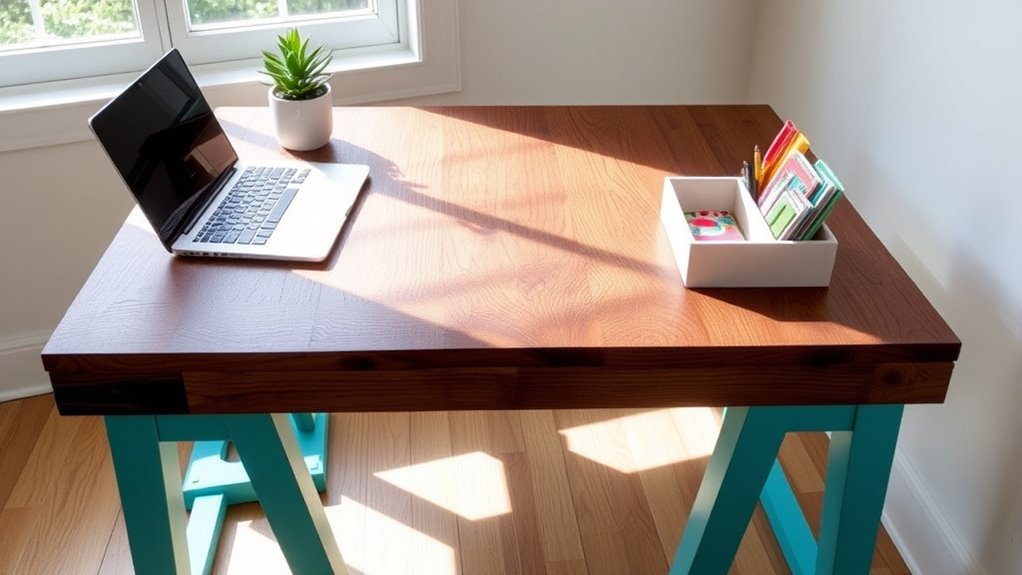

Crafting your own desk lets you design a personalized workspace that matches your ergonomic, storage, and style needs. You can create adjustable surfaces, add custom storage solutions, and include accessories like cable organizers for a clutter-free area. Using simple materials like plywood or reclaimed wood makes it affordable and fun. With some planning, you’ll build a desk that’s both functional and uniquely yours. Keep exploring to find tips on turning your idea into reality.
Key Takeaways
- Use simple, durable materials like plywood or reclaimed wood to build a sturdy, personalized desk.
- Incorporate adjustable ergonomic accessories such as monitor stands and wrist supports for comfort.
- Design integrated storage solutions with shelves, drawers, or cubbies to organize supplies efficiently.
- Add cable management features like channels and holes to keep cords tidy and workspace clutter-free.
- Customize the desk with personal style elements and modular features for future reconfiguration.
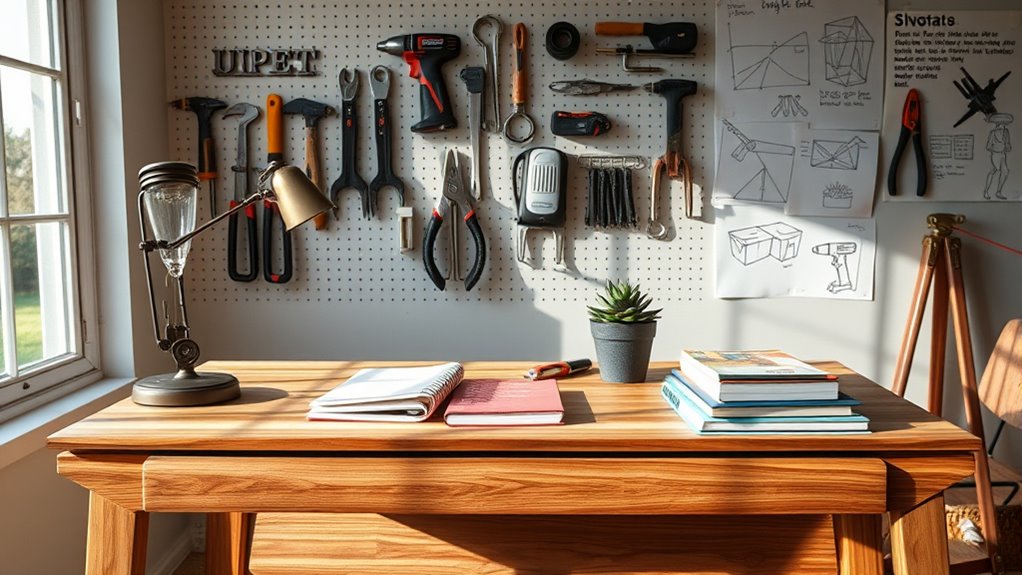
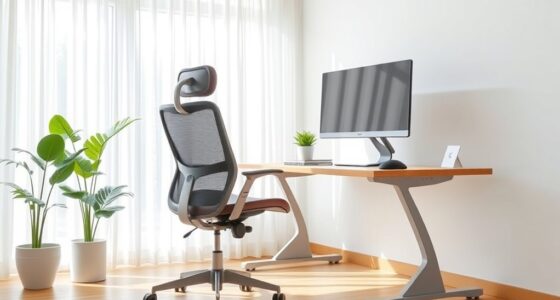
Creating your own office furniture can be a rewarding way to customize your workspace while saving money. When you build your own desk, you have the opportunity to incorporate ergonomic accessories that promote comfort and productivity. Think about adding adjustable monitor stands, wrist supports, or even a custom keyboard tray to guarantee proper alignment and reduce strain during long work hours. These ergonomic accessories not only improve your posture but also make your workspace uniquely suited to your needs. Designing a desk that includes built-in storage solutions helps keep your area organized and clutter-free, allowing you to focus better and work more efficiently.
Build a customized desk with ergonomic accessories for comfort and efficiency.
Start by planning the layout of your desk with storage in mind. Incorporate shelves, drawers, or cubbies that fit your specific organizational needs. Using simple materials like plywood or reclaimed wood, you can craft drawers or compartments to store supplies, documents, or tech accessories. This way, everything has a designated place, and your workspace stays tidy. When selecting storage solutions, consider modular elements that you can expand or reconfigure as your needs evolve. Combining open shelving with closed drawers offers a balance between easy access and concealed storage, making your workspace both functional and streamlined.
As you gather materials, think about customizing your desk with features that reflect your personal style and workflow. Adding cable management channels or holes helps keep cords out of sight, reducing clutter and hazards. You might also consider installing a pegboard or magnetic strip on the side for quick access to frequently used tools or accessories. When building, use durable hardware and finishes that can withstand daily use, ensuring your DIY desk remains sturdy and attractive over time. This investment in quality materials translates to a piece of furniture that lasts and continues to serve your evolving needs.
Furthermore, incorporating software quality assurance best practices into your planning can help ensure your workspace design aligns with efficiency and quality standards, making your DIY project even more successful. Designing a workspace tailored to you means paying attention to details that enhance comfort and efficiency. Incorporate ergonomic accessories like footrests or anti-fatigue mats if you stand at your desk, and position everything within easy reach to minimize unnecessary movement. Consider the height of your desk to guarantee it aligns with your ergonomic goals, and customize it with the storage solutions that best suit your workflow. The process of crafting your own desk not only saves money but also gives you a sense of accomplishment. Every element, from the placement of storage compartments to the choice of ergonomic accessories, is a reflection of your personal work style. With thoughtful planning and DIY effort, you create a workspace that’s both functional and a true extension of yourself.
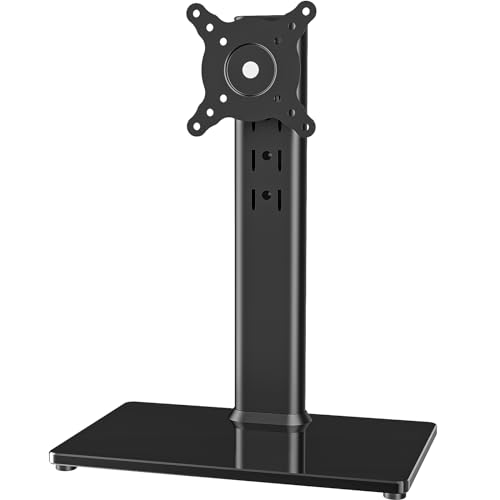
Single LCD Computer Monitor Free-Standing Desk Stand Mount Riser for 13 inch to 32 inch screen with Swivel, Height Adjustable, Rotation, Vesa Base Stand Holds One (1) Screen up to 77Lbs(HT05B-001))
COMPATIBILITY ☞ Single Computer monitor mount free standing Desk Stand Riser fitting screens for 13,15,17,19,21,23,27,30,32 inch LCD LED…
As an affiliate, we earn on qualifying purchases.
As an affiliate, we earn on qualifying purchases.
Frequently Asked Questions
What Tools Are Essential for DIY Desk Projects?
When tackling DIY desk projects, you need essential tools like power tools, which make cutting and assembling easier. A cordless drill, jigsaw, and sander are particularly useful. Remember to prioritize woodworking safety by wearing goggles and gloves, and always follow safety instructions. These tools will help you craft a sturdy, personalized desk efficiently, ensuring your workspace is both functional and safe.
How Much Does a Custom Desk Typically Cost?
A custom desk usually costs between $200 and $1,000, depending on size, materials, and complexity. Cost factors include wood quality, hardware, and any special features you add. To stay within your budget, consider repurposing materials or choosing simpler designs. Budget tips include shopping for deals, using affordable materials, and planning your project carefully to avoid costly mistakes. This way, you can create a personalized workspace without overspending.
Can Beginners Successfully Build Their Own Office Furniture?
You might worry about building your own office furniture as a beginner, but don’t let that stop you. With simple assembly tips and plenty of design inspiration, you can create a functional, personalized workspace. Start with small projects, follow step-by-step instructions, and remember that practice makes perfect. Before long, you’ll gain confidence and enjoy the satisfaction of a custom desk built by you.
What Safety Precautions Should I Follow During Construction?
When building your own desk, safety is key. You should always wear appropriate safety gear like goggles and gloves to protect your eyes and hands. Stay aware of hazards such as sharp tools or splinters, and keep your workspace clean to prevent accidents. Follow instructions carefully, and don’t rush. Practicing hazard awareness helps you stay safe and makes your DIY project enjoyable and successful.
How Do I Choose the Right Materials for Durability?
Choosing the right materials is like picking the right armor for a knight—strength matters. You should consider material options like solid wood, plywood, or metal, focusing on durability factors such as resistance to wear and weight capacity. Think about your workspace’s needs, budget, and style, then select options that offer longevity and resilience. This way, your desk will stand the test of time, just like a sturdy shield in battle.

Lakeshore Build-It-Yourself Woodworking Kit
Introduce kids to woodworking—with real tools and supplies
As an affiliate, we earn on qualifying purchases.
As an affiliate, we earn on qualifying purchases.
Conclusion
Now that you’ve explored these DIY office furniture ideas, imagine the possibilities as you put your own touch on each piece. Your personalized workspace could be just a project away from transforming your daily routine. But wait—there’s one final detail that could make all the difference. Are you ready to discover that secret ingredient to truly perfect your desk? Keep building, experimenting, and customizing—you never know what amazing creation might be just around the corner.
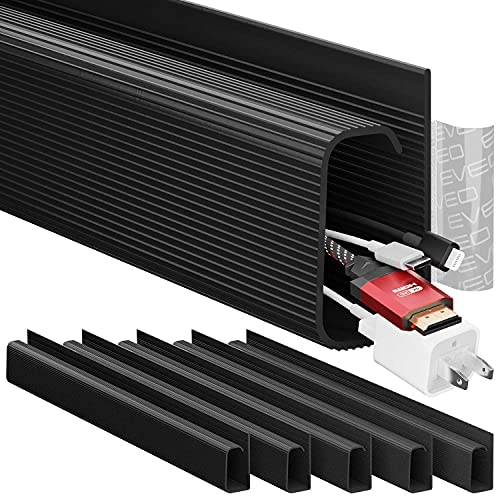
EVEO Cable Management Under Desk Kit (6 Units) – Under Desk Cable Management Cord Hider, Cable Hider Cord Management, Cable Organizer, Cable Raceway | Self-Adhesive 96'' J Channel 6X16 – Black
Transform Your Workspace with EVEO Cable Management: Sleek cable raceway ensures perfect under desk cable management, creating a…
As an affiliate, we earn on qualifying purchases.
As an affiliate, we earn on qualifying purchases.

Vaydeer Wrist Rest for Keyboard and Mouse, Computer Ergonomic Wrist Support Pad, Soft Memory Foam Arm Cushion for Desk, Palm Hand Office Laptop Typing
【Softer and More Comfortable】Vaydeer wrist rest has unique diamond pattern, which is the combination of softness and aesthetics….
As an affiliate, we earn on qualifying purchases.
As an affiliate, we earn on qualifying purchases.