Using rugs effectively helps you define, separate, and connect multi-use areas within your space. You can create cozy zones or visual pathways by choosing different colors, textures, or patterns that complement your existing décor. Placing rugs under seating areas or along walkways not only adds warmth but also visually organizes the room. If you explore further, you’ll discover how to select the perfect rugs to enhance both functionality and style in your home.
Key Takeaways
- Use rugs to define distinct zones in open-plan or multi-use spaces, creating visual separation without physical barriers.
- Select rugs with complementary or contrasting colors to connect or differentiate areas, enhancing overall harmony.
- Layer different textures and sizes to add depth and visual interest while maintaining functional boundaries.
- Choose durable, stain-resistant materials for high-traffic zones to ensure longevity and ease of maintenance.
- Position rugs strategically to guide movement and flow between areas, reinforcing their connection or separation.

A rug can transform a plain space into a cozy, inviting room by defining its character and adding visual interest. When choosing a rug, the first step is to consider how it will coordinate with your existing color scheme. Color coordination is vital because it helps create harmony within the room. If your walls and furniture feature neutral tones, select a rug with bold or contrasting hues to add a pop of color and make the space lively. Conversely, if your room already has vibrant colors, opt for a rug in more subdued shades to balance the overall aesthetic. Think about the mood you want to set: soft, pastel shades evoke calmness, while rich, deep colors bring warmth and sophistication. The right color choice can also serve as a focal point or tie different zones together, especially in multi-use areas. Additionally, selecting a rug with appropriate texture enhances both comfort and visual layering in your space. Material selection is equally important when choosing a rug, as it influences both the look and feel of your space. For high-traffic areas like living rooms or hallways, durable materials such as wool or synthetic fibers are ideal because they withstand wear and are easy to clean. If you’re aiming for a luxurious touch, natural fibers like silk or high-quality wool can add elegance and texture. When selecting materials, consider the room’s purpose and your lifestyle. For example, a children’s playroom benefits from soft, low-pile rugs that provide comfort while still being resilient enough to handle spills and messes. For dining rooms, a stain-resistant material can simplify cleanup after meals. The texture of the material can also add depth and dimension, complementing other design elements and creating a layered look. Using rugs to separate or connect multi-use areas relies heavily on both color coordination and material choice. You might place a richly patterned, colorful rug in the seating area to define it distinctly from a more neutral, textured rug in the dining zone. Alternately, you can choose rugs of similar colors but different textures to create visual separation without disrupting flow. Layering different materials can also add interest, like a plush area rug over a flat-woven one. When you pick the right combination of color and material, your rugs will not only serve functional purposes—defining spaces and providing comfort—but also enhance the overall style and cohesion of your home.

Area Rug Living Room Rugs – 5×7 Abstract Large Soft Indoor Washable Rug Neutral Modern Low Pile Carpet for Bedroom Dining Room Farmhouse Home Office – Beige Blue
Soft Rugs for Living Room: Made of 100% polyester with low pile, immerse your feet in softness. You…
As an affiliate, we earn on qualifying purchases.
As an affiliate, we earn on qualifying purchases.
Frequently Asked Questions
How Do I Choose the Right Rug Size for My Space?
When choosing the right rug size, consider your space’s layout and how you want it to function. You might try rug layering to add dimension, or select a size that complements your furniture for seamless color coordination. Measure your area carefully, leaving enough room around the edges for a balanced look. A well-chosen rug enhances your room’s flow and style, making it feel more inviting and connected.
What Are the Best Rug Materials for High-Traffic Areas?
For high-traffic areas, you want durable rug materials that can handle daily wear. Synthetic fibers like nylon and polypropylene are ideal because they’re stain-resistant and easy to clean, making them perfect for busy spaces. If you prefer natural textures, consider wool, which is resilient and naturally stain-resistant. Both options offer longevity, so you can enjoy your rug without frequent replacements, even in the most active areas of your home.
How Can I Prevent Rugs From Slipping or Bunching?
To prevent rugs from slipping or bunching, you should use non-slip rug pads underneath. These pads provide extra grip and keep your rug in place. Additionally, consider rug securing techniques like double-sided tape or rug anchors for added stability. Regularly adjust and straighten your rug to maintain its position, especially in high-traffic areas. Combining these methods guarantees your rug stays secure and looks neat.
What Maintenance Is Required to Keep Rugs Looking New?
You want your rugs to stay fresh, vibrant, and inviting. To do that, vacuum regularly to remove dirt, dust, and debris, maintaining their appearance and longevity. Address stains promptly with effective stain removal techniques, preventing permanent damage. Rotate your rugs periodically to avoid uneven wear and fading. Keep fibers clean and edges secure, ensuring they look new longer. Consistent care transforms your rugs into lasting focal points in your space.
How Do Rugs Affect Room Acoustics and Noise Levels?
Rugs substantially impact your room’s acoustics by enhancing sound absorption and reducing noise levels. When you add a rug, it dampens echoes and minimizes footstep sounds, creating a quieter, more comfortable space. You’ll notice less noise transfer between rooms and a softer overall atmosphere. Regularly cleaning your rug maintains its sound-absorbing qualities, ensuring it continues to effectively reduce noise and improve your room’s acoustic environment.

Nuloom Outdoor Performance Collection Sabina Dark Grey/Ivory, 8' x 10', Soft, High Traffic, Stain Resistant, Easy Clean, Durable Area Rug for Indoor/Outdoor Patio, Deck, Porch, Garden, Courtyard
Indoor/Outdoor Durable Materials: Our area rug is meticulously crafted from 90% Polypropylene, 10% Polyester and made in India….
As an affiliate, we earn on qualifying purchases.
As an affiliate, we earn on qualifying purchases.
Conclusion
By choosing the right rugs, you can effortlessly create distinct zones while keeping your space feeling connected. Think of your rugs as the thread weaving together different areas, shaping your home’s flow. When you pick wisely, they not only define spaces but also bring warmth and personality. With a little planning, you’ll see your rooms come alive — proving that a well-placed rug can turn a house into a welcoming haven.

Yamaziot 5×7 Washable Area Rug, High-Low Grid Textured Living Room Rugs, Soft Fluffy Non-Slip Mats Stain Resistant Contemporary Boho Carpet for Dining Room, Kids Nursery Room, Bedroom, Office
【Natural Comfort & Unique Foot Feel】:Inspired by nature's pebble paths, this 5×7 washable area rug has an irregular…
As an affiliate, we earn on qualifying purchases.
As an affiliate, we earn on qualifying purchases.
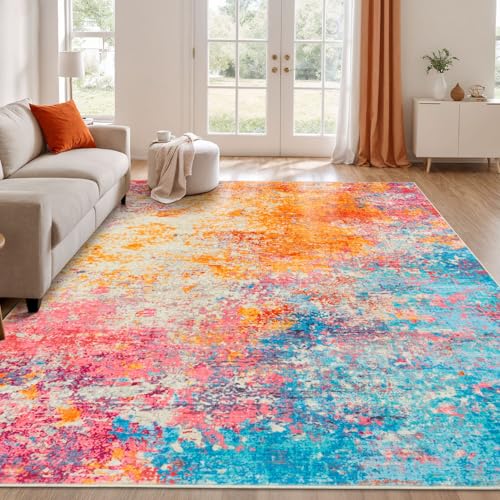
Rugflix 8×10 Area Rugs for Living Room, Washable Colorful Rainbow Rug Stain-Resistant Low Pile, Modern Abstract Large Carpet Non-Slip for Kids Girls Room Nursery Bedroom Home Office
Modern Abstract Rug: Evokes the essence of rainbow, blending neutral colors of blue, pink and orange with abstract…
As an affiliate, we earn on qualifying purchases.
As an affiliate, we earn on qualifying purchases.