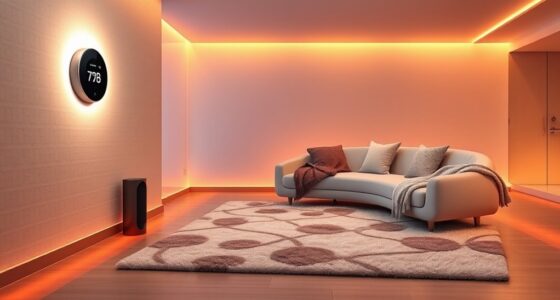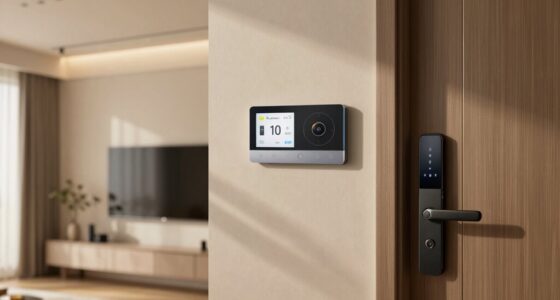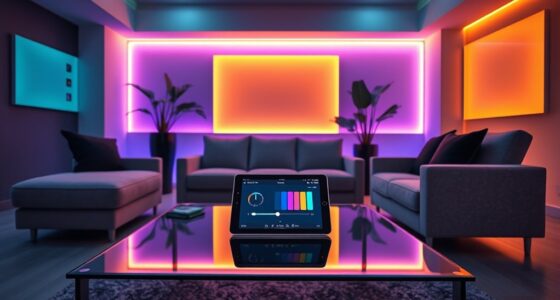
Smart home devices are your high-tech helping hands, making elderly living safer and easier. Voice-controlled systems let you manage lights, thermostats, and locks effortlessly, while fall detection sensors provide quick alerts if needed. Integrated security cameras and sensors monitor activity, helping you spot hazards early. Plus, these devices are designed to be simple to use and maintain. Keep exploring to discover how these innovative tools can truly enhance independence and peace of mind.
Key Takeaways
- Smart home devices enhance elderly independence by automating daily tasks and improving safety within the home environment.
- Voice command features enable seniors to control appliances and access emergency assistance effortlessly.
- Fall detection technology provides rapid alerts to caregivers, helping prevent injuries and ensuring timely assistance.
- Integrated safety systems combine sensors, cameras, and monitoring tools for comprehensive home safety management.
- User-friendly design and easy maintenance ensure reliable operation and accessibility for seniors and their families.

As technology advances, smart home devices are becoming essential tools for supporting the independence and safety of elderly individuals. These devices make everyday living easier and provide peace of mind for both seniors and their loved ones. One of the most powerful features is voice commands, which allow you to control lights, thermostats, door locks, and even appliances without needing to move around. You simply speak, and your smart device responds instantly, reducing the effort needed to manage household tasks. This is especially helpful if mobility becomes limited or if you’re feeling unwell. Voice commands also enable quick access to emergency services or assistance, providing an extra layer of security at all times.
Another critical element in smart home technology is fall detection. Falling is a common risk for seniors, and delayed response can lead to serious injuries. Modern smart devices are equipped with sensors that monitor movement and automatically detect falls. When a fall is detected, these systems can alert designated caregivers or emergency services immediately, even if you’re unable to call for help yourself. This rapid response can be life-saving, ensuring you get prompt assistance when you need it most. Fall detection devices are often integrated with wearable gadgets or embedded within the home’s security system, making them seamless to use and highly reliable. Additionally, regular system checks and updates can help maintain the effectiveness of these safety features safety features.
These innovations work together to create a safer environment. For example, a voice command system can be used to call for help or turn on lights after a fall, making it easier for you to navigate your home. Smart cameras and sensors can monitor activity patterns, providing insights to caregivers about your daily routine and alerting them to any unusual behavior or potential hazards. Furthermore, many smart devices are designed to be user-friendly, with simple interfaces and straightforward setup, so you don’t need to be tech-savvy to benefit from them.

Caregiver Pager Wireless Call Button Alert System 500+ Feet for Home Elderly App Control & No Monthly Fee, Compatible with Alexa & Google Assistant, 4 Buttons + 1 Receiver
Value 4+1 Wireless Kit: Comes with 4 waterproof wireless buttons and 1 plug-in receiver, allowing you to cover…
As an affiliate, we earn on qualifying purchases.
As an affiliate, we earn on qualifying purchases.
Frequently Asked Questions
How Secure Are the Data Collected by Smart Home Devices?
You’re right to wonder about data privacy and cybersecurity threats when it comes to smart home devices. These devices collect sensitive information, so their security varies based on manufacturer practices. Some use strong encryption and regular updates, but vulnerabilities remain. To stay safe, you should choose reputable brands, update firmware regularly, and enable security features. Staying informed helps protect your data privacy and minimizes cybersecurity threats in your smart home.
Can These Devices Be Customized for Individual Health Needs?
Like a tailor fitting a suit, smart home devices can be customized to meet your unique health needs. You have access to personalization options and health-specific features that adapt to your lifestyle. This guarantees the technology supports your well-being more effectively. By choosing the right settings, you make your environment a true reflection of your individual health requirements, offering comfort and security tailored just for you.
What Is the Typical Cost of Installing Smart Home Systems?
When considering the installation costs of smart home systems, you’ll find pricing variability based on the complexity and features you choose. Typically, installation costs can range from a few hundred to several thousand dollars, depending on the devices and integration needed. Keep in mind that investing in a tailored setup might increase initial costs but can provide long-term convenience and safety, especially when customized to your specific needs.
Are There Options for Non-Technical Seniors to Operate These Devices?
You’ll find that many smart home devices now feature voice control and simplified interfaces, making them easy for non-technical seniors to operate. With voice commands, you can turn lights on, adjust thermostats, or call for help without needing to navigate complex menus. These user-friendly options help seniors stay independent and comfortable, ensuring technology becomes a helpful tool rather than a challenge.
How Do Smart Devices Integrate With Existing Home Infrastructure?
Imagine your home as a puzzle where each piece must connect seamlessly. Smart devices integrate with your existing infrastructure through wireless connectivity and device interoperability, making setup simple. For example, a smart thermostat can sync with your Wi-Fi and existing wiring, allowing you to control temperature remotely. This integration guarantees smooth operation, so you enjoy the benefits without worrying about technical details. You get a smarter, more comfortable home effortlessly.
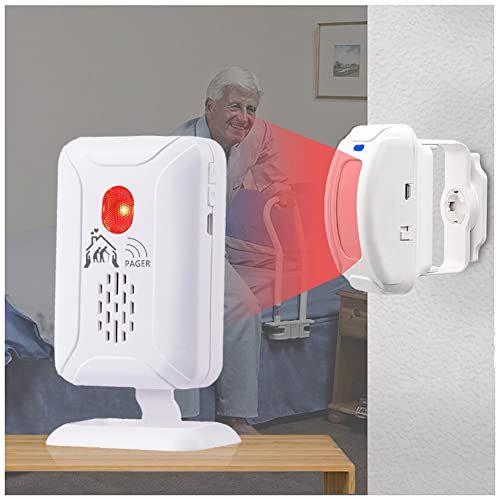
Upgraded Version Bed Sensor Alarm and Fall Prevention for Elderly/Dementia and More,Caregiver Pager Motion Sensor Alert with 5 Volume Level,Bed Alarm for Elderly Adults Wireless
Easy to monitor loved ones getting out of bed or leaving the room,Wireless motion sensors can be placed…
As an affiliate, we earn on qualifying purchases.
As an affiliate, we earn on qualifying purchases.
Conclusion
With smart home devices, you can confidently support your loved ones’ independence and safety. These technologies are easy to use and adapt to daily routines, making life simpler. Some might worry about complexity, but most devices feature intuitive interfaces and remote assistance. Imagine a senior effortlessly controlling lights or receiving health reminders — technology becomes a helpful partner, not a burden. Embrace these innovations to create a safer, more comfortable home for your elderly family members.

2K Cameras for Home Security Indoor/Outdoor,Inside Cameras for House/Baby/Elder/Pet,Wifi Camera,Plug&Play,Color Night Vision,2-Way Audio 24/7 Record,Support Cloud/Memory Card(Not Included),6.56ft Wire
【Easy Setup Whole-Home Security Cameras】Ready to use right out of the box!This home security camera system lets you…
As an affiliate, we earn on qualifying purchases.
As an affiliate, we earn on qualifying purchases.
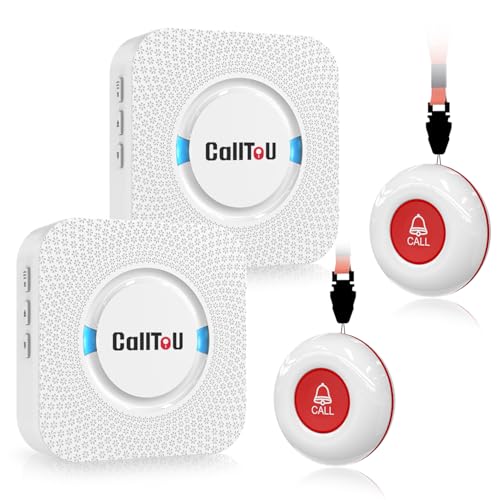
CallToU Wireless Caregiver Pager Smart Call System 2 SOS Call Buttons/Transmitters 2 Receivers Nurse Calling Alert Patient Help System for Home/Personal Attention Pager 500+Feet Plugin Receiver
[ Wireless Guard ] 2 Receiver 2 Call Button. Allow caregivers and residents to be free while ensuring…
As an affiliate, we earn on qualifying purchases.
As an affiliate, we earn on qualifying purchases.